Travel Mindfully: Support Afghan Communities
By Khalid Rahimi / Oct 03
What if your next travel adventure could not only enrich your life but also uplift the communities you visit? Understanding responsible travel in Afghanistan opens doors to meaningful connections and impactful experiences.
Understanding the crucial elements of ethical engagement and safety for a positive impact.
As someone deeply passionate about the geography and culture of Afghanistan, I believe that understanding responsible travel is essential for anyone looking to explore this extraordinary nation. Responsible travel means more than just enjoying scenic views; it involves an awareness of the complex socio-political landscape and a commitment to making positive contributions to local communities. Given Afghanistan's unique challenges, practicing responsible travel becomes even more crucial.
Travelers can honor Afghanistan’s rich heritage by engaging responsibly with its people and places. This not only enriches your own experience but also supports local communities in sustainable ways. Let's delve deeper into what responsible travel means, particularly in high-risk areas like Afghanistan.
In high-risk areas, responsible travel encompasses being informed about local conditions and recognizing the potential impact of your visit. It means understanding cultural sensitivities and respecting the values of local populations. Here are some critical aspects to consider:
By prioritizing these aspects, you can ensure that your travels contribute positively to the communities you visit, enhancing the local economy while minimizing any adverse effects.
When traveling ethically, safety and community benefit should guide your decisions. Firstly, prioritize your safety by staying informed about the latest travel advisories and local news. Secondly, seek opportunities to benefit the community directly through your travel choices. This might include:
By focusing on these practices, travelers can enjoy an enriching experience while actively supporting the resilience of Afghan communities. Ethical travel is not just about the destination; it’s about the journey and the connections you forge along the way.
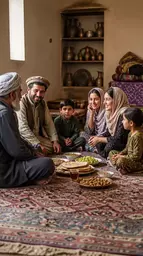
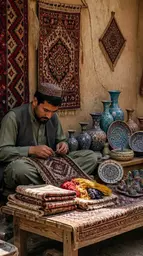
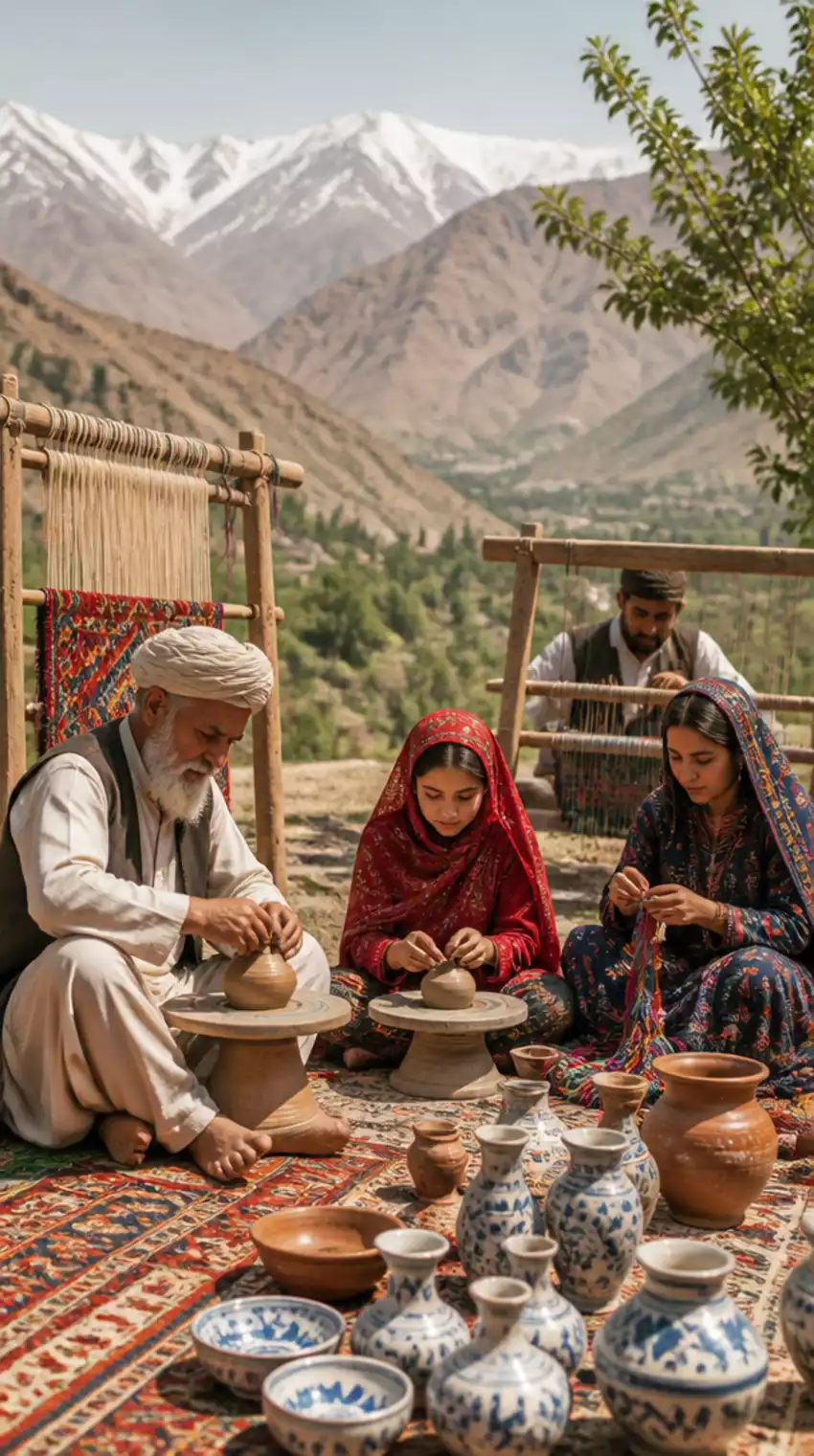
Community-based tourism (CBT) is a fantastic avenue for travelers looking to immerse themselves in local culture. In Afghanistan, engaging in CBT allows visitors to experience the warmth and hospitality of Afghan families while supporting their livelihoods. For instance, organizations like Peace of Afghanistan work to promote community engagement and peacebuilding, which can be supported through responsible tourism. Benefits of community-based tourism include:
As travelers, we have the power to choose experiences that uplift communities rather than exploit them. Supporting community-based tourism not only provides unique perspectives on Afghan life but also helps preserve traditions and promote sustainable practices. Together, we can pave the way toward a future where travel enriches both visitors and hosts.
When planning your trip to Afghanistan, consider scheduling your visit around local festivals or cultural events. This not only enhances your experience but also allows you to witness the vibrancy of Afghan traditions and engage more deeply with the local community. Participating in these events can provide unique insights into the culture, making your journey even more memorable.
Traveling to Afghanistan requires careful consideration of many factors, especially when it comes to safety and feasibility. As someone who has traversed the stunning landscapes of this remarkable country, I understand that the allure of its rich culture and history must be balanced with informed decision-making. In this section, we will explore the current travel advisories, assess various risks, and discuss safety measures that can help ensure a secure and enriching travel experience in Afghanistan.
Staying informed about travel advisories is crucial for anyone planning a trip to Afghanistan. These advisories provide valuable insights into the safety landscape. As of now, many governments, including the U.S. and the U.K., routinely update their travel warnings regarding Afghanistan. Travelers should pay close attention to, for example, the information provided by the UNHCR regarding relocation and resettlement in Afghanistan, which can offer context to the broader socio-political situation:
Before making any travel plans, I recommend checking reliable sources, such as government websites and international organizations. This will help you navigate the complexities of travel to Afghanistan and make informed choices.
Risk assessment is an essential part of planning your journey. Travelers must be aware of potential threats, including terrorism and conflict, which can vary significantly by region. Additionally, health concerns such as access to medical facilities and local health conditions play a role in overall safety. Here are some key factors to consider:
By being aware of these risks, you can make informed decisions that enhance your safety during your travels. Engaging with local communities can also provide deeper insights into any safety concerns, allowing you to navigate the country more effectively.
Safety measures are vital for ensuring a secure travel experience in Afghanistan. As a passionate advocate for responsible travel, I encourage you to prioritize your safety and well-being. Here are some effective measures you can adopt:
These measures not only enhance your safety but also respect the host communities and their environments. As I have experienced firsthand, a well-prepared traveler can enjoy the breathtaking beauty of Afghanistan while mitigating potential risks.
Here is a quick recap of the important points discussed in the article:
By Khalid Rahimi / Oct 03
By Khalid Rahimi / Sep 26
By Khalid Rahimi / Sep 22