Afghanistan Photography and Drone Guidelines
By Khalid Rahimi / Nov 13
As you embark on your photographic journey in Afghanistan, understanding the intricate landscape of drone regulations and photography permissions will not only enhance your experience but also ensure compliance with local laws. Let's explore the essential insights you need to navigate this vibrant yet complex terrain.
Navigating the legal framework for photography and drone operation in Afghanistan requires awareness of essential steps and prohibitions. Below is a visual guide to ensure safe and compliant content creation.
As a passionate geographer and cultural enthusiast, I understand that photography can be a powerful way to capture and share the beauty of Afghanistan. However, it's essential to navigate the complex landscape of drone regulations and photography laws in the country. Regulations can vary widely, especially given the recent changes in governance, making it crucial for travelers and content creators to stay informed. For additional insight into freedom of media, you can refer to reports by the UN Human Rights Office.
In this section, we’ll explore the current legal framework surrounding photography and drone use in Afghanistan, ensuring that you are well-prepared for your journey. Let’s dive in!
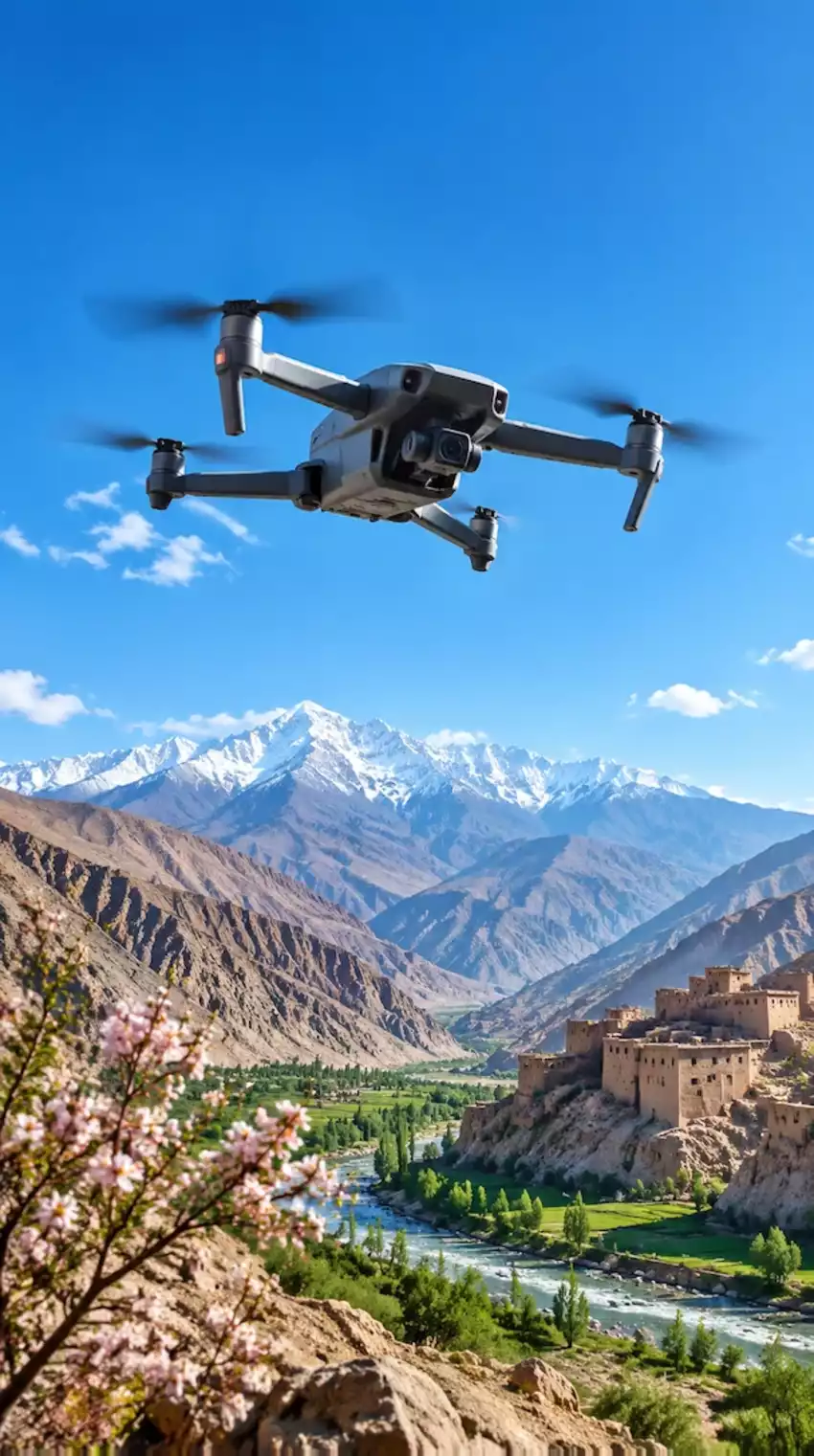
Understanding the legal environment for drones in Afghanistan is vital for anyone planning to capture aerial footage. Since the takeover of the Taliban, many regulations have changed, and it’s essential to be aware of these adjustments. The primary regulations concerning drones aim to ensure safety and compliance with national security protocols.
The evolving legal framework can be challenging to navigate, so it’s important to seek out reliable sources of information before you set out on your photographic adventure. For specific examples of drone operation regulations, you might consult resources like eCFR Title 14, which outlines similar regulatory structures.
Afghanistan's drone regulations are shaped by the need to balance civil rights with national security concerns. The Civil Aviation Authority is the body responsible for overseeing the registration, operation, and compliance of drone usage. Recent changes may include more stringent controls, so always check for the latest updates before your travels.
Specific regulations include restrictions on flying drones in urban areas or near sensitive sites, where the risk of causing unrest or security issues is higher.
The Civil Aviation Authority (CAA) plays a crucial role in managing drone operations within Afghanistan. This authority is responsible for enforcing drone laws, issuing permits, and ensuring that operators comply with safety and security guidelines.
Engaging with the CAA prior to your trip can help clarify necessary requirements and provide peace of mind as you prepare for your photography journey.
The shift in governance has significantly impacted the legal landscape. The Taliban has implemented new regulations that affect drone usage and photography. It's essential to recognize that these shifts may not be well-documented, leading to confusion among travelers. Keeping abreast of the latest changes from credible sources is imperative for anyone looking to photograph or film in Afghanistan. Staying informed through organizations like UNICEF Afghanistan, which often deals with local media and communications, can provide valuable context.
Through my experience at Afghanistan Map, I emphasize the importance of respecting local laws and customs. Your understanding of these regulations can foster a safer, more respectful interaction with the diverse cultures and communities you encounter.
When capturing the rich tapestry of Afghanistan’s landscapes, understanding photography permissions is vital. Certain areas require explicit authorization before you can take photographs, which is an essential aspect of ensuring compliance with local laws.
A clear understanding of these permissions will not only keep you safe but also build trust with the local population.
There are specific subjects and locations that are strictly off-limits for photography. These include military installations, government buildings, and areas where sensitive operations may be taking place. Respecting these boundaries is crucial for your safety and the well-being of the community.
Requesting authorization can vary depending on the subject or area. Typically, it involves reaching out to local officials or representatives before your shoot. This proactive approach demonstrates respect and encourages positive interactions with the communities you wish to capture.
Privacy laws in Afghanistan can be intricate and differ significantly from those in Western countries. Always seek consent when photographing individuals, especially in rural areas, where privacy is often valued highly. Obtaining a photography permit can not only safeguard you legally but also cultivate trust within the community.
As with any travel, understanding safety and compliance is crucial for photographers and drone users. Ensuring that you are aware of security risks and legal consequences can significantly enhance your travel experience.
By prioritizing safety and compliance, you will enhance your overall experience while respecting the cultural sensitivities of Afghanistan.
Failing to comply with local regulations can have serious legal consequences, ranging from fines to potential imprisonment. It is critical to be aware of these risks and to act responsibly while capturing images.
When entering Afghanistan, be prepared for customs inspections. Ensure that all your equipment is documented and that you can justify its intended use. This preparation can help mitigate risks of confiscation.
Foreign nationals should stay updated on travel advisories issued by their respective governments. These advisories often contain essential information regarding safety protocols and areas that may be restricted due to ongoing security concerns.
As you prepare for your journey to Afghanistan, practical advice can make a significant difference in your experience. Understanding how to navigate sensitive areas and create a media handling plan is vital for responsible content creation.
These steps can enhance not only your safety but also the overall quality of your interactions and captures in Afghanistan.
Understanding the limitations around drone use in sensitive areas is critical. Ensure you have explicit permission before flying drones near military or government sites, as unauthorized flights can lead to severe repercussions.
Establishing a clear timeline for when to publish your content can help you navigate the complex political landscape. It’s advisable to wait for a time when local sentiments are favorable to avoid potential backlash.
As a drone pilot, safety should always be your top priority. Establishing emergency procedures before your flight can prepare you for unexpected situations. Ensure you have a plan for emergencies, including weather changes or technical issues.
As you prepare for your journey, it’s normal to have questions regarding drone and photography regulations in Afghanistan. Let’s clarify some common concerns that travelers often have.
As you prepare for your journey, it’s normal to have questions regarding drone and photography regulations in Afghanistan. Let’s clarify some common concerns that travelers often have.
Yes, you can bring a drone to Afghanistan, but ensure you comply with all registration and operational regulations. Engaging with local authorities beforehand can facilitate smoother entry and use.
Absolutely! Photography is strictly prohibited at military checkpoints and government buildings. Always ask for permission when in doubt, as respecting these restrictions is crucial for your safety.
Understanding and respecting local customs is paramount. Always approach individuals and communities with sensitivity, and be aware of cultural norms related to photography. This respect fosters better interactions and enriches your overall experience in Afghanistan.
As you prepare for your journey into Afghanistan's captivating landscapes, we’d love to know:
What concerns you most about photography and drone regulations in Afghanistan? Share your thoughts below:
When it comes to capturing the breathtaking landscapes and vibrant culture of Afghanistan, preparation is crucial. Whether you’re a seasoned photographer or a drone enthusiast, understanding the legal requirements and safety protocols can make a significant difference in your experience. Below, I’ve compiled a comprehensive checklist to ensure you’re ready to embark on your journey with confidence!
Before you pack your camera gear or drone, it's essential to follow a systematic approach. Here’s a checklist to help you stay organized:
These steps are vital not only for compliance but also for ensuring that your experience is enriching and respectful of the local environment. Remember, understanding local regulations can prevent unforeseen issues during your travels!
Obtaining the right permissions might seem daunting, but it’s essential for a smooth experience. Here’s how you can secure the necessary approvals:
Having these permissions in hand will not only keep you compliant but will also provide peace of mind as you focus on capturing the stunning visuals around you.
Safety should always be a priority. Here are some practical travel tips to keep in mind:
By following these tips, you can enjoy a rewarding experience while being respectful of the local community and its customs. Remember, the most memorable moments often come from genuine interactions and understanding!
As a drone operator, you must be aware of registration and certification requirements to avoid legal troubles. Here are the key steps:
Taking these steps ensures that you’re operating within the legal framework, allowing you to focus on capturing the beauty of Afghanistan without worry.
Here is a quick recap of the important points discussed in the article:
By Khalid Rahimi / Nov 13
By Khalid Rahimi / Oct 25
By Khalid Rahimi / Oct 20