Afghan Culture: Poetry and Literature
By Khalid Rahimi / Oct 20
Afghan poetry and literature are not just artistic expressions; they encapsulate the rich cultural heritage and historical journeys of a nation. As we explore the remarkable evolution of these literary forms, we uncover how they reflect Afghan identity and resilience in the modern world.
Afghan poetry and literature reflect the nation's rich heritage from pre-Islamic oral traditions to modern expressions, shaping identity through various historical eras.
Foundation of Afghan literary forms, preserving history and values through narratives, music, and dance.
Shaped by historical events, reflecting resilience and diverse themes like spirituality, love, and resistance.
Evolving with global trends, using poetry as activism, and fostering community through literary societies.
Active preservation through educational programs, community engagement, and celebrating local poets.
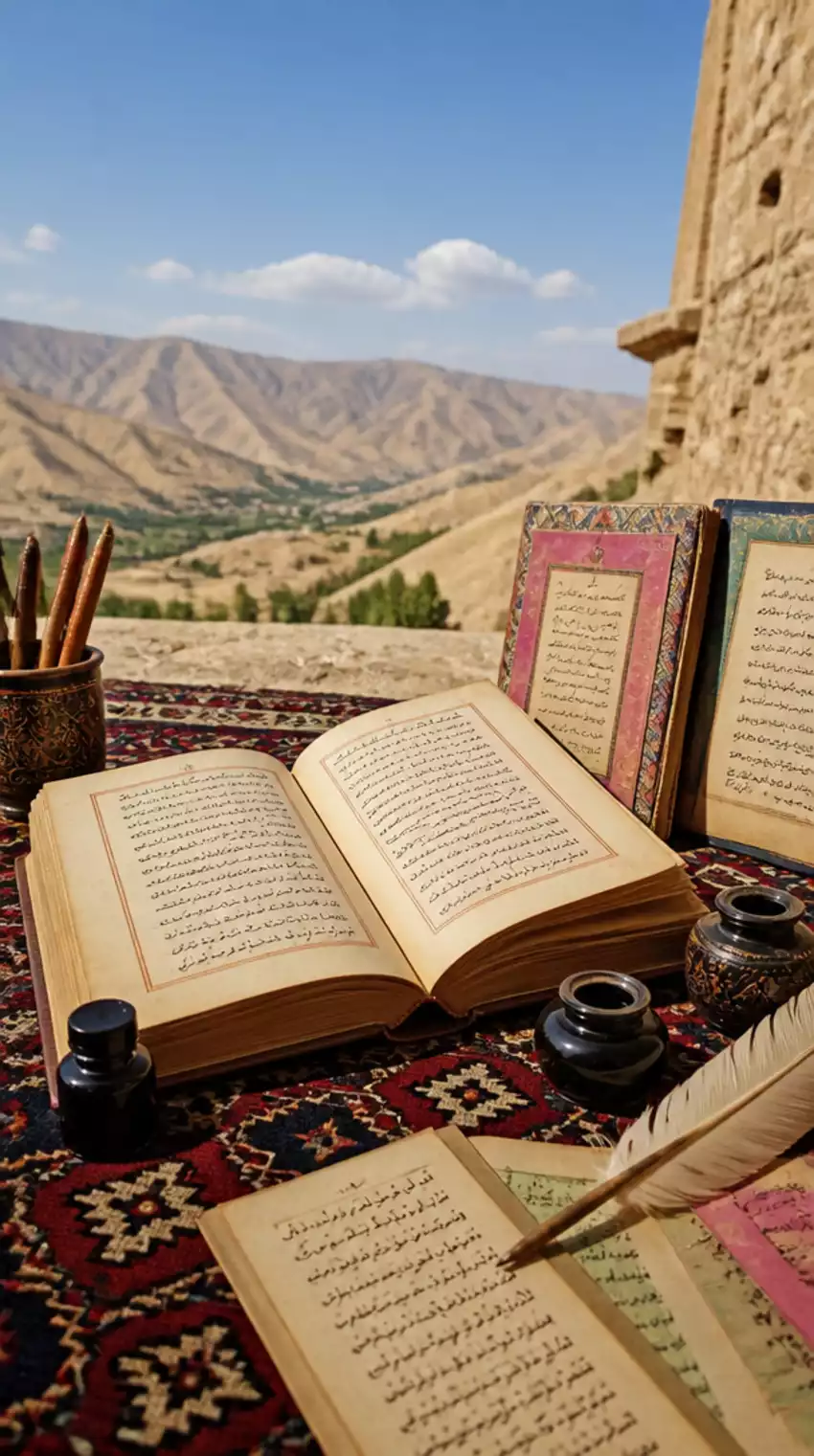
The tapestry of Afghan poetry and literature is woven with stories that echo through time, deeply rooted in the cultural DNA of the nation. As a passionate geographer and cultural enthusiast, I, Khalid Rahimi, invite you to explore how these literary forms reflect the rich heritage of Afghanistan. Poetry and literature serve not just as art, but as vital expressions of identity and history, capturing the essence of the Afghan experience.
In this section, we will delve into the historical significance of Afghan poetry, starting with its earliest manifestations, tracing its evolution, and celebrating its profound role in shaping Afghan identity.
To truly appreciate the depth of Afghan poetry, we must begin with the pre-Islamic literary roots. Before the advent of Islam, oral traditions flourished in the region, carried by the winds of storytelling. These tales often featured heroic figures and moral lessons, embedded in the fabric of Afghan culture. They were more than just narratives; they were the lifeblood of communities, shaping their values and beliefs.
As these oral traditions took root, they paved the way for the written word, allowing Afghan literature to blossom and evolve into a cherished aspect of cultural identity.
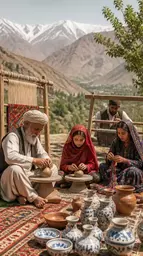
Oral traditions in Afghanistan can be traced back to ancient times, where storytellers played a crucial role in preserving history. These narratives were often accompanied by music and dance, creating a vibrant cultural experience. The influences of various cultures, including Persian and Turkic, began to intertwine, enriching the linguistic landscape and offering new themes for poets to explore. The Library of Congress offers further insights into how Afghanistan is reflected in its collections, showcasing the breadth of its cultural heritage.
This melting pot of influences fostered a unique literary environment, one that would later be reflected in the works of great poets and writers.
Persian literature has had a profound impact on Afghan identity, shaping the ways in which poetry is written and appreciated. The rich traditions of Persian poets like Rumi and Ferdowsi resonated deeply with Afghan writers, who drew inspiration from their themes of love, nature, and mysticism. This literary connection helped forge a shared cultural heritage, reinforcing a collective identity that continues to influence Afghan literature today. You can explore more about Persian narratives of literary commitment to understand this profound influence.
Through this exchange, Afghan poetry began to develop its unique voice, one that married local themes with the elegance of Persian literary forms.
As we journey through the ages, we see how Afghan poetry evolved, shaped by historical events and cultural shifts. Each era brought its challenges and inspirations, contributing to the rich tapestry of Afghan literature. From the Samanid Empire to the modern day, poets have navigated a landscape of turmoil and beauty, reflecting the resilience of the Afghan spirit.
The Samanid Empire (875–999 AD) was a golden age for literature in Afghanistan, marked by significant developments in Persian poetry and prose. It fostered an environment where poets could experiment with their craft, leading to the creation of exquisite works that celebrated love, philosophy, and social commentary. This era established a literary tradition that not only enriched Afghan culture but also influenced neighboring regions.
The flourishing literary culture during this time laid the groundwork for future generations of poets, who would carry forward the legacy of Afghan literature.
In the medieval period, Afghan poets like Jami and Sanai made remarkable contributions to the literary landscape. Their works often addressed themes of spirituality, love, and the human condition, providing profound insights into the Afghan experience. These poets helped bridge cultural divides, celebrating the diversity of Afghan identity through their eloquent verses. For a deeper dive into the region's poetic heritage, particularly during periods of significant cultural exchange, consider exploring resources on poetry around the Persianate world.
These contributions played a crucial role in establishing a rich literary heritage that resonates with contemporary Afghan voices.
Khushal Khan Khattak, a towering figure in Afghan literature, is celebrated for his profound poetry that reflects the struggles and aspirations of his people. His works encapsulated themes of honor, love, and resistance, making him a symbol of Afghan identity. Alongside Khushal, poets like Atish and Ghani Khan also made significant contributions, enriching the poetic landscape with their unique perspectives.
These poets continue to inspire new generations, reminding us of the power of words to shape cultural identity and express collective sentiments.
In recent years, Afghan poetry has undergone a transformation, influenced by global literary trends and the challenges faced by the nation. Contemporary poets are now exploring themes of identity, conflict, and hope, often using their work as a form of activism. This shift reflects a dynamic literary scene that is both rooted in tradition and open to new ideas, allowing Afghan poetry to evolve while preserving its historical significance.
This evolution of poetry showcases the resilience of Afghan culture, ensuring that the voices of its people continue to be heard and appreciated in the modern world.
Did you know? Engaging with Afghan poetry can provide profound insights into the cultural identity and resilience of its people. To deepen your appreciation, try attending local poetry readings or exploring online platforms where contemporary Afghan poets share their work. This not only enriches your understanding but also supports the ongoing evolution of Afghan literature.
As we delve into the modern relevance of Afghan literature, it becomes clear that the essence of poetry continues to resonate deeply in today’s society. Afghan poetry, steeped in rich history, is not just a reflection of the past but a living, breathing entity that informs contemporary cultural identity. It is fascinating to observe how these traditions are preserved and taught within various educational frameworks, ensuring that the voices of our ancestors echo through generations.
Today, educational institutions and cultural organizations actively engage in teaching Afghan poetry. Here are some key ways this is achieved:
Through these methods, the beauty and complexity of Afghan poetry remain vibrant, fostering appreciation among the younger generations. Moreover, the influence of digital media has transformed how these literary traditions are shared.
Digital platforms have provided a new stage for Afghan poets, allowing them to share their work globally. Social media, in particular, has become a powerful tool for promoting poetry, enabling poets to connect directly with audiences. This shift not only amplifies their voices but also fosters a sense of community among literary enthusiasts.
Additionally, Afghan literary societies play a crucial role in preserving our cultural heritage. They serve as vital hubs for fostering creativity and collaboration. Here’s how these societies contribute:
Through these initiatives, we can witness a dynamic interplay between the old and the new, ensuring that Afghan literature remains a significant part of our cultural landscape.
While the path to promoting Afghan poetry is lined with opportunities, it is not without its challenges. The ongoing struggles faced by many in our communities can sometimes overshadow the artistic expression that flourishes amidst adversity. It is essential that we recognize these hurdles while also seeking to uplift our poetic traditions.
Community engagement is vital in this endeavor. Here are some effective approaches to fostering respect for Afghan poetry:
The Afghanistan National Poetry Festival, for instance, has had a profound impact on local writers, providing them with exposure and encouragement. Such events not only celebrate our heritage but also build bridges across cultural divides, enabling us to share our rich tapestry of stories with the world.
The earliest roots of Afghan poetry are found in pre-Islamic oral traditions and storytelling, which were crucial in preserving history and shaping community values and beliefs.
Persian literature has profoundly influenced Afghan identity through its rich traditions and poets like Rumi and Ferdowsi, inspiring Afghan writers with themes of love, nature, and mysticism, and reinforcing a shared cultural heritage.
The Samanid Empire (875–999 AD) marked a golden age for literature in Afghanistan, fostering an environment where poets could experiment and create exquisite works, thus establishing a lasting literary tradition.
Notable medieval Afghan poets include Jami and Sanai, whose works often explored themes of spirituality, love, and the human condition, contributing significantly to the region's literary landscape.
Modern Afghan poetry explores contemporary themes such as identity, conflict, and hope, often serving as a form of activism and social commentary, reflecting the nation's resilience and adapting to global literary trends.
Educational institutions and literary societies play a crucial role by incorporating poetry into school curricula, hosting workshops, publishing anthologies, and organizing literary events and mentorship programs to preserve and promote Afghan poetry among younger generations.
Here is a quick recap of the important points discussed in the article:
By Khalid Rahimi / Oct 20
By Khalid Rahimi / Oct 12
By Khalid Rahimi / Oct 03