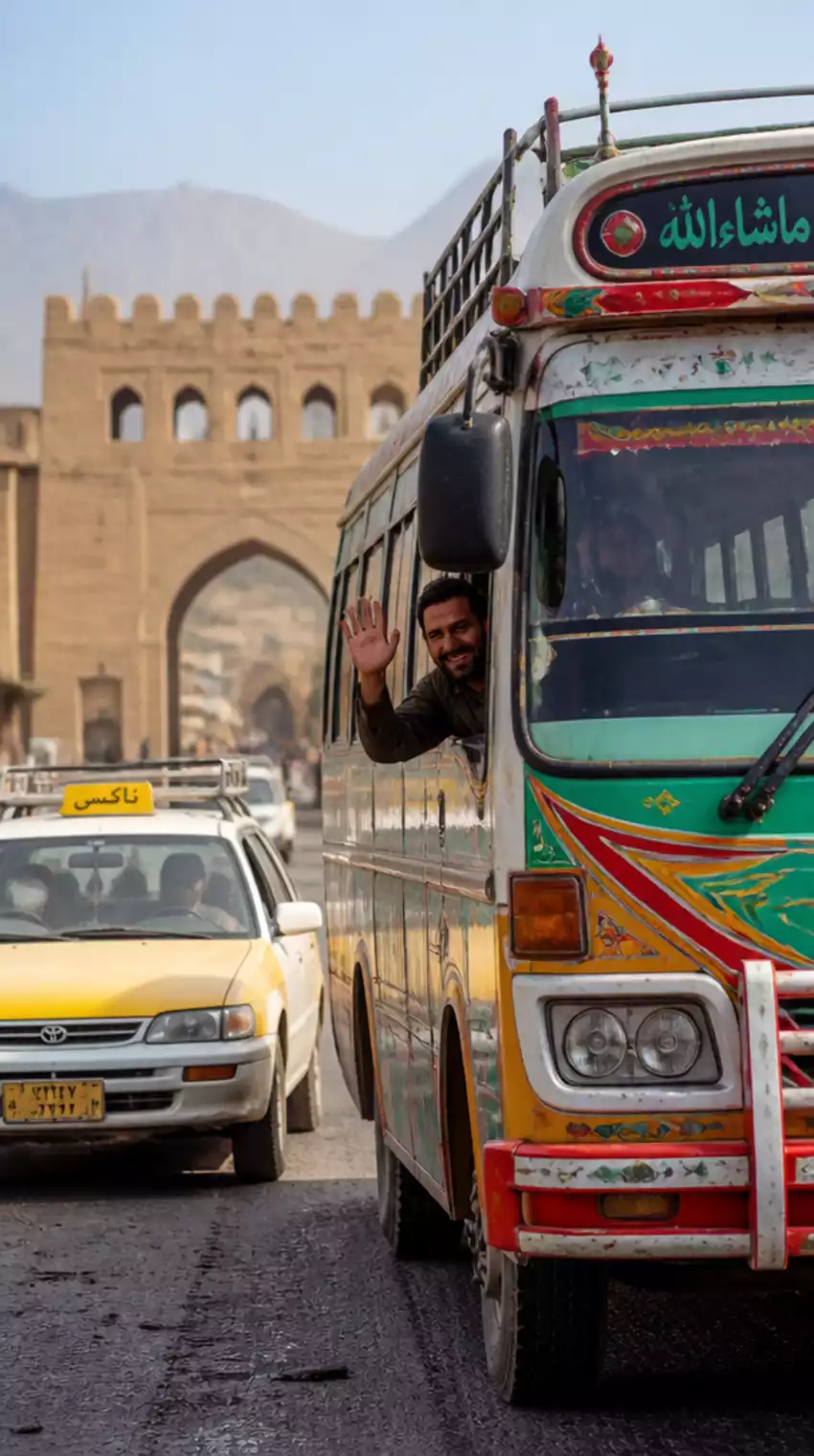
Navigating Afghanistan's Public Transport Options
By Khalid Rahimi / Oct 25
Traveling through Afghanistan offers a unique opportunity to immerse yourself in its vibrant culture and diverse communities. By understanding the public transport options available, you can enhance your experience and connect more deeply with the local way of life. Here’s what you will learn about navigating public transport in this remarkable country.
An overview of the main transportation methods available in major Afghan cities, highlighting their primary characteristics.
When exploring Afghanistan, understanding the various public transport options available can enhance your travel experience immensely. From buses to shared taxis and private drivers, each mode of transport offers unique insights into the daily lives of Afghans. Let's dive into the different avenues you can take to get around this beautiful country!
In bustling cities like Kabul, Herat, and Mazar-i-Sharif, you'll find a blend of traditional and modern transportation methods. These options provide not just mobility but also a glimpse into the rich culture and diverse communities that thrive in Afghanistan.
Each of these transportation methods plays a vital role in how people navigate their cities and connect with one another. For travelers, it’s essential to understand these options to make informed choices during your journey.
In major cities like Kabul, the public transport system is both comprehensive and evolving. Bus routes crisscross the urban landscape, making it relatively easy to reach your destination. In Kabul, for instance, buses operate on fixed routes, often bustling with life and activity.
In addition to buses, shared taxis are readily available, particularly around busy markets and central areas. You’ll notice them lining up, ready to take passengers to various parts of the city efficiently. Recognizing the key areas where these services operate can save you time and help you immerse yourself in the local atmosphere.
Safety is a critical consideration when using public transport in Afghanistan. There are regulations in place to ensure that public transport operations adhere to specific safety standards, which can significantly impact your travel experience. For instance, buses and taxis are often required to undergo regular inspections. Details on efforts to improve road safety standards and infrastructure for the public transport sector can be found in documents such as the Afghanistan Road Sector Project.
As travelers, being aware of these regulations can help you choose safer transportation options. Look for vehicles that appear well-maintained and comply with local safety standards—this small step can make a big difference in ensuring a more secure journey.
Buses can be an excellent way to explore Afghanistan, especially if you’re looking to travel economically. The bus systems, such as the Millie Bus, are designed to connect major cities and towns, making them an essential part of the transportation network.
By familiarizing yourself with the bus system, you can navigate your way around the cities with greater ease and confidence.
The Kabul Bus Network stands out as a vital transportation resource for both locals and travelers. With multiple routes connecting key areas of the city, it serves as a lifeline for daily commuters. The network helps alleviate traffic congestion while also providing an affordable travel option.
As you ride through the city, take a moment to observe the vibrant life around you. The bus network is not just about transportation; it’s an avenue to witness the everyday interactions and cultural exchanges that define Kabul.
Shared taxis are another prevalent form of transport in Afghanistan. They operate on fixed routes and can be an affordable and efficient way to travel short distances. Often bustling with passengers, these taxis can give you a unique perspective on city life.
The benefits of using shared taxis include the ability to travel quickly without the wait associated with buses, plus the chance to meet locals. When you hop into a shared taxi, you can expect lively conversations and the opportunity to learn more about your surroundings!
In addition to shared taxis, various Afghan taxi services cater to different needs. From private taxi companies to ride-hailing options, there's something for everyone! Each service has its unique features, so here are a few to consider:
Understanding these taxi options can simplify your travel plans, ensuring you find a reliable and cost-effective means of transportation in Afghanistan.
When using public transport in Afghanistan, always carry a small notebook or use your smartphone to jot down important phrases and directions in Dari or Pashto. This can enhance communication with drivers and locals, making your travel experience smoother and more immersive.
The main public transport options include buses (like the Millie Bus), shared taxis, and private drivers. Ride-hailing apps are also emerging in major cities.
In major cities, buses operate on fixed routes, providing an economical way to travel. Shared taxis are also widely available for shorter distances, particularly around busy areas, offering flexibility and opportunities for local interaction.
Travelers should prioritize safety by choosing reputable transport options, traveling during daylight hours, and being aware of their surroundings. Vehicles are often required to undergo regular inspections to ensure safety standards are met.
Shared taxis are convenient, affordable, and efficient for short to medium distances. They also offer a unique opportunity to interact with locals and experience daily life in Afghan cities.
There is hope for future improvements in Afghanistan’s transport sector, with initiatives aimed at rebuilding infrastructure and enhancing safety. These developments could include modern bus fleets, improved ride-hailing services, and greater community engagement in transport planning.
As we wrap up our exploration of public transport in Afghanistan, it's essential to highlight the key safety practices that can enhance your travel experience. Remember to stay informed about local conditions, as they can change rapidly. Understanding the demand for various transport options, including gender-segregated transportation, can also provide valuable context, as discussed in reports like On the Road to Greater Mobility by the World Bank.
By adhering to these guidelines, you'll navigate public transport with greater confidence. It's crucial to remain aware of the unique challenges posed by the regions you visit, as every journey carries its own set of circumstances.
I encourage you to reflect on the transportation choices you make during your travels. Considering local advice and current conditions can significantly impact your safety and enjoyment. Engaging with the Afghan community, whether through a friendly taxi driver or a fellow traveler, often leads to valuable insights.
Ultimately, the choices you make can foster a deeper appreciation for Afghanistan's rich culture and resilient spirit. Embrace the journey, and let your adventure inform your understanding of this stunning country.
Looking to the future, there's hope for improvements in Afghanistan's transport sector! Initiatives aimed at rebuilding infrastructure and enhancing safety are underway, which could revolutionize how we travel within the country.
These changes not only promise to improve travel for locals but also for visitors eager to explore Afghanistan's hidden gems. Staying informed about these developments through resources like Afghanistan Map can enrich your travel experience and keep you connected to the evolving landscape of Afghan transport.
Here is a quick recap of the important points discussed in the article:
By Khalid Rahimi / Oct 25
By Khalid Rahimi / Oct 20
By Khalid Rahimi / Oct 12