Conserving Afghanistan's Endangered Wildlife
By Khalid Rahimi / Oct 12
Have you ever considered how the unique wildlife of Afghanistan contributes to the intricate tapestry of its culture and ecology? Understanding this rich biodiversity not only enhances appreciation for the landscapes but also emphasizes the urgent need for conservation.
Understanding the challenges and opportunities in safeguarding Afghanistan’s rich biodiversity, from endangered species to vital conservation efforts.
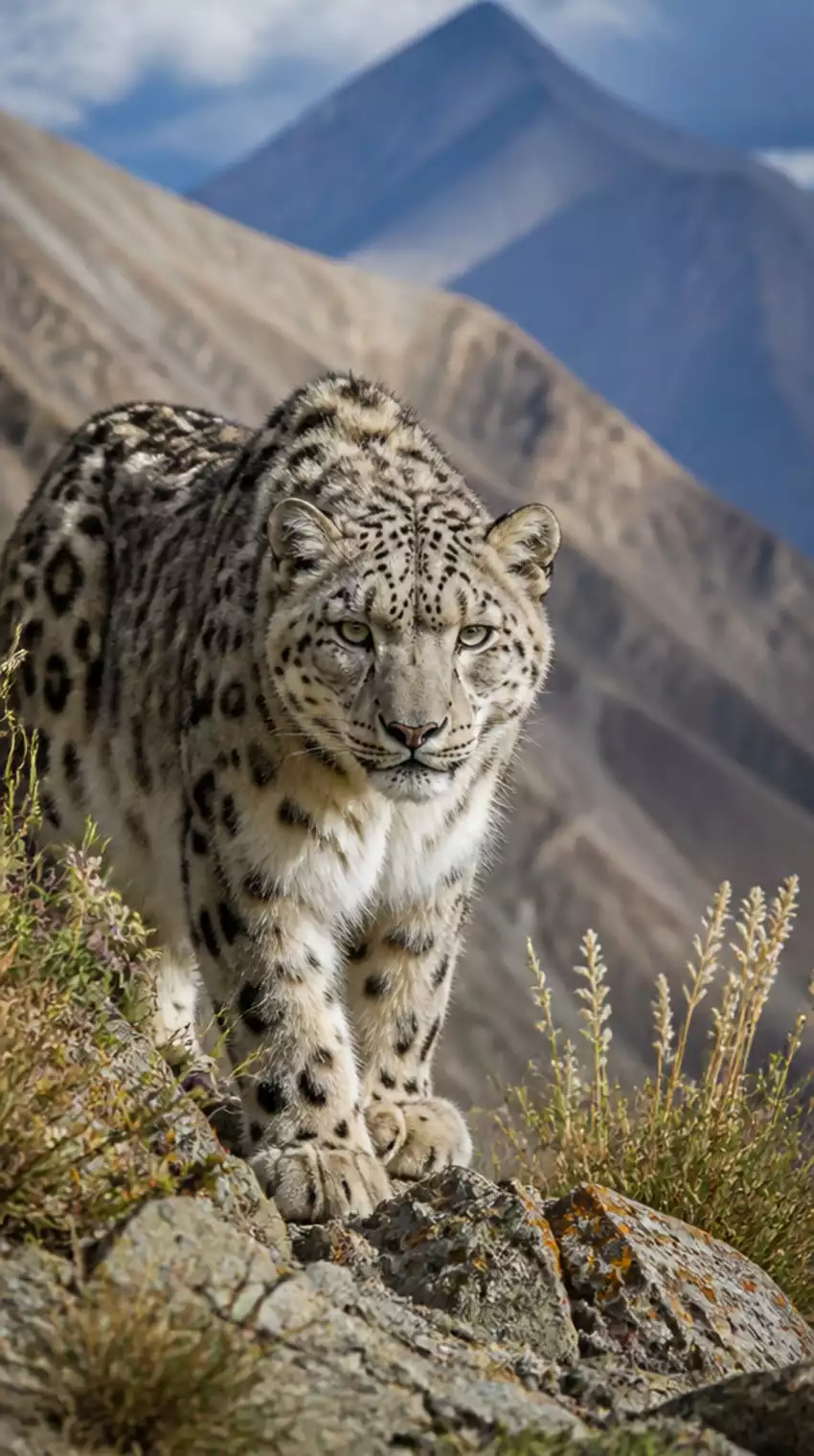
Snow Leopard
Vulnerable (Est. <250 mature individuals)
Marco Polo Sheep
Near Threatened (Poaching & Habitat Degradation)
Persian Leopard
Endangered (Habitat Loss & Human Conflict)
Community Involvement & Education
Combatting Illegal Hunting & Habitat Loss
Habitat Restoration Projects
Sustainable Development & Wildlife Recovery
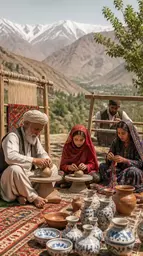
Afghanistan is a land of breathtaking landscapes, but its wildlife is often overshadowed by the complexities of its history. As a passionate geographer and cultural enthusiast, I find that understanding Afghanistan's biodiversity offers a deeper appreciation for its natural beauty. This rich tapestry of life is not only significant for ecological balance, but it also plays a crucial role in the cultural heritage of the Afghan people.
From majestic mountains to sprawling deserts, Afghanistan’s diverse habitats host a variety of species that are unique to this region. In this section, we will delve into the ecological significance of Afghanistan’s wildlife, explore key endangered species, and shine a light on the endemic flora and fauna that define this remarkable country.
The biodiversity of Afghanistan is vital for the health of its ecosystems and the well-being of its communities. Healthy ecosystems provide essential services such as clean water, soil fertility, and climate regulation. Moreover, they support agricultural practices and provide resources that local populations rely on for their livelihoods. Information on Afghanistan's biodiversity and conservation efforts is available through resources like the Convention on Biological Diversity (CBD), highlighting the global importance of these ecosystems.
Each species plays a role in maintaining this balance, emphasizing the need for conservation efforts. This is a call to action for all of us who appreciate the wonders of nature and the stories it tells!
Among Afghanistan's rich biodiversity, many species face the threat of extinction. Understanding these key endangered species is crucial for their preservation. The slopes of the Hindu Kush and the valleys of the Panjshir are home to remarkable creatures that are symbols of Afghanistan's natural heritage.
Each of these species represents not just wildlife, but the cultural identity of the Afghan people. Their survival is intertwined with the preservation of Afghanistan’s natural landscapes, calling for our attention and support.
The International Union for Conservation of Nature (IUCN) provides a comprehensive overview of the conservation status of various species globally. In Afghanistan, several species have been classified as endangered or critically endangered due to various threats, including habitat loss and illegal hunting. Organizations like the Oregon Wild organization often highlight the importance of protecting such vulnerable species, drawing parallels to global conservation efforts.
These classifications serve as a reminder of the fragility of life in Afghanistan’s ecosystems and highlight the urgent need for concerted conservation efforts. By raising awareness among travelers and locals alike, we can foster a collective movement to protect these magnificent creatures.
Afghanistan is home to a variety of endemic species, which are found nowhere else on Earth. This uniqueness adds to the country's ecological richness and underscores the importance of preserving its natural habitats. Exploring these endemic species allows us to appreciate the intricate connections between geography and biodiversity.
These species are not just plants; they embody the spirit of the Afghan landscape. As we delve deeper into the world of Afghanistan's wildlife, we discover a fascinating narrative waiting to be told—a narrative that reflects the heart and soul of a nation rich in history and biodiversity.
Did you know? Engaging local communities in conservation efforts not only enhances the success of wildlife preservation but also fosters a sense of ownership and pride among the people. When communities are actively involved in protecting their natural heritage, they become powerful advocates for sustainability and biodiversity.
Here are some common questions regarding Afghanistan's unique biodiversity and the efforts to protect it:
As we look ahead, the journey towards sustainable conservation in Afghanistan's incredible landscapes becomes ever more vital. Engaging local communities is not just a strategy; it’s a necessity. When communities feel connected to their natural surroundings, they’re more likely to protect them. Through grassroots efforts, we can foster a culture of conservation that resonates deeply with the people. The United Nations Environment Programme (UNEP) has also been involved in assessing and addressing environmental challenges in Afghanistan, emphasizing the need for robust conservation strategies.
In my travels across Afghanistan, I’ve witnessed firsthand the profound connection between locals and their environment. This bond drives the urgency to cultivate sustainable practices that benefit both wildlife and the communities that depend on these ecosystems. It’s time to come together and embrace sustainable conservation!
Community involvement can truly transform conservation initiatives. By actively engaging locals, we can promote stewardship for Afghanistan’s rich biodiversity. Here are some ways communities can get involved:
By empowering communities, we establish a stronger foundation for long-term conservation success. People feel a sense of ownership over their natural heritage, fostering a culture of protection and respect.
Illegal hunting remains a significant threat to Afghanistan’s wildlife. However, we can implement effective strategies to combat these issues. Some key approaches include:
These strategies not only address immediate threats but also promote a holistic approach to conservation. By working together, we can significantly reduce the impacts of illegal hunting and habitat degradation.
Restoring habitats is essential for the recovery of endangered species. Here’s how we can contribute to these vital projects:
Through habitat restoration, we not only revive ecosystems but also support the diverse wildlife that calls Afghanistan home. It’s a crucial step towards ensuring a thriving future for our natural world!
Everyone can play a role in protecting Afghanistan’s unique biodiversity, and your involvement can make a real difference! Let’s explore how we can contribute together.
From supporting local initiatives to raising awareness, each action matters. Together, we can create a wave of positivity that uplifts our natural heritage.
One of the most impactful ways to help is by supporting local conservation initiatives. Here are some methods to get involved:
Each contribution helps bolster the efforts of those on the front lines of wildlife conservation. Together, we can create a brighter future for Afghanistan’s wildlife!
Education plays a pivotal role in raising awareness about the importance of wildlife protection. Here’s how we can harness the power of knowledge:
By spreading awareness, we can inspire others to join in the conservation journey. Awareness leads to action, and action leads to protection!
Empowering local communities through education is crucial for sustainable conservation. Some effective strategies include:
When communities are educated, they become advocates for their environment. This empowerment is essential for nurturing a respect for biodiversity and ensuring its preservation for generations to come.
As we summarize our exploration of Afghanistan’s wildlife conservation landscape, it’s clear that challenges and opportunities coexist. With concerted effort and community engagement, we can work towards securing a future that values and protects our incredible biodiversity.
In summary, here are the key takeaways regarding Afghanistan’s endangered species and conservation efforts:
These insights underline the importance of collective action in safeguarding Afghanistan’s wildlife. Together, we can create positive change!
I invite you to take action! Whether through local initiatives, spreading awareness, or simply engaging in conversations about conservation, every effort counts. Let’s unite in our mission to protect the breathtaking biodiversity of Afghanistan!
Looking forward, we envision a future where Afghanistan’s wildlife thrives in harmony with its people. By embracing sustainable practices and fostering a culture of conservation, we can ensure that the beauty of our natural world continues to inspire and enrich our lives.
Join me in this mission, and let’s make a lasting impact on the future of Afghanistan’s wildlife together! 🌍
Here is a quick recap of the important points discussed in the article:
By Khalid Rahimi / Oct 12
By Khalid Rahimi / Oct 03
By Khalid Rahimi / Sep 26