Afghan Culture: Poetry and Literature
By Khalid Rahimi / Oct 20
Are you ready to uncover the hidden gems of Kabul? This vibrant city is not just a destination; it's a rich tapestry of history and culture that beckons exploration. From its ancient roots to modern-day life, there's so much to discover in Kabul.
Plan your journey to Kabul with this overview of optimal seasons and must-see destinations.
These periods offer mild weather, perfect for outdoor activities and cultural festivals like Nowruz. Avoid summer due to high heat.
Historical site, serene retreat, final resting place of Emperor Babur.
Treasures narrating national history, ancient sculptures, pottery.
Majestic structure, royal history, unique architecture.
Nature's serenity, picnicking, boating, escape from urban hustle.
Important historical and spiritual sites, insights into beliefs.
Family-friendly, local wildlife, conservation efforts.
Kabul is a city woven into the fabric of history, with a profound cultural significance that spans millennia. As the capital of Afghanistan, it has been shaped by numerous civilizations, each leaving a unique mark. From the echoes of ancient empires to the vibrant life of its people, Kabul's rich tapestry of culture and history beckons travelers to explore its depths.
Understanding Kabul means delving beyond the surface. It’s not just about the landmarks; it’s about the stories that define the city. As you wander through its streets, you’ll encounter a blend of traditions and influences that illustrate the resilience and spirit of its inhabitants.
The history of Kabul is as intricate as the geography that surrounds it. From the days of the Silk Road, where traders exchanged goods and ideas, to its present-day role as a cultural hub, each chapter of Kabul’s history adds to its allure. The city has been a crossroads for various cultures, fostering a unique identity that is reflected in its architecture, cuisine, and festivals.
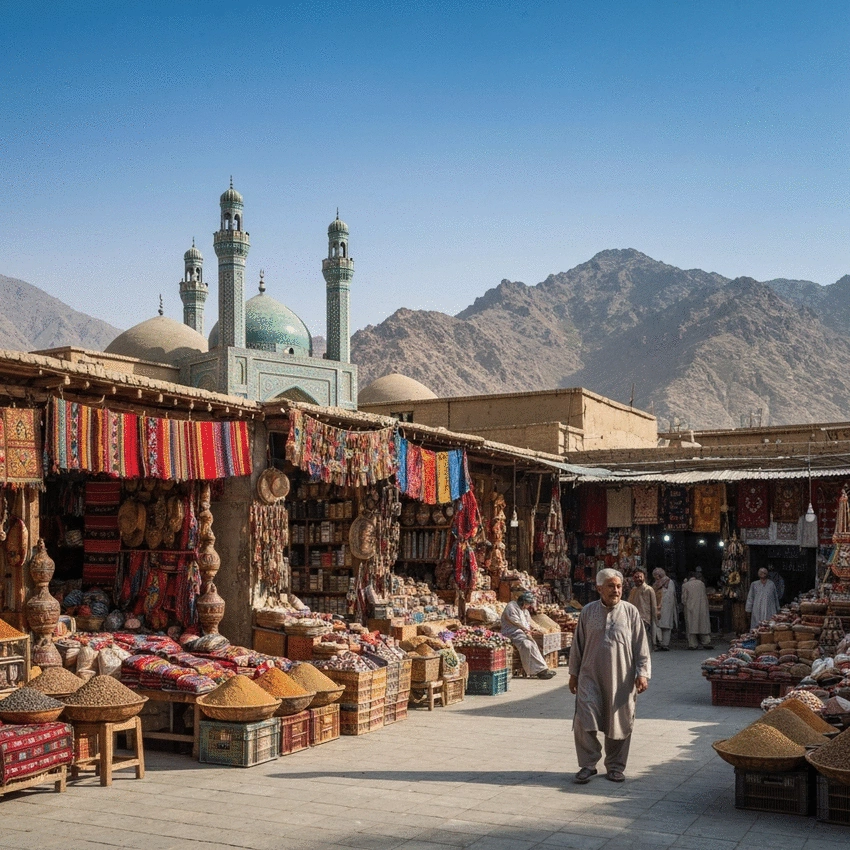
As you walk through the city, look for signs of its past in places like the old city walls or the bustling bazaars. Each corner holds a piece of history waiting to be uncovered, enhancing your experience of Kabul.
Timing your visit to Kabul can significantly enhance your experience. The best times to explore this vibrant city are during spring (March to May) and autumn (September to November), when the weather is mild and pleasant. The blooming flowers in spring and the colorful foliage in autumn create a picturesque backdrop for your adventures.
Additionally, consider local festivals that reflect the city's vibrant culture, such as Nowruz (Persian New Year) celebrations that fill the streets with joy and color. Attending these events provides a unique insight into Afghan traditions and the warm hospitality of its people.
The Gardens of Babur offer a serene escape from the bustling streets of Kabul. This historical site, once the resting place of the Mughal emperor Babur, is adorned with beautiful landscaping and reflects a rich cultural heritage. As you wander through the gardens, take a moment to appreciate the stunning views of the surrounding mountains.
The National Museum of Afghanistan is a treasure trove of artifacts that narrate the story of the nation. Home to a vast collection of historical pieces, including ancient sculptures and intricate pottery, it provides a window into Afghanistan's past. A visit here is essential for anyone looking to understand the cultural richness that defines Kabul.
Darul Aman Palace stands as a testament to Afghanistan's royal history. This majestic structure, with its unique architecture, evokes a sense of grandeur and nostalgia. Visiting the palace not only allows you to admire its beauty but also to grasp the significance it holds in the heart of Kabul.
Qargha Lake is a perfect spot for nature lovers. Offering a variety of activities, from picnicking to boating, it’s a great escape from the urban hustle. As you relax by the water, take in the tranquility and stunning landscapes surrounding the lake.
Both Babur's Tomb and the Sakhi Shrine are important historical and spiritual sites in Kabul. These landmarks not only highlight the city's history but also provide insights into the spiritual beliefs and practices of the Afghan people.
The Kabul Zoo, although modest in size, offers a delightful experience for families and animal lovers. With a collection of local wildlife, it provides an opportunity to see native species and learn about conservation efforts in Afghanistan. It’s a fun way to spend an afternoon, especially for those traveling with kids!
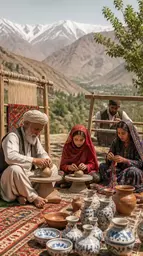
When exploring Kabul, take the time to engage with local artisans in the bazaars. Not only will you discover unique handmade crafts, but you'll also gain insight into the traditional techniques passed down through generations. This personal connection enhances your travel experience and supports the local economy.
Kabul is truly a city that embodies a vibrant blend of history, culture, and modernity. From the peaceful serenity of the Gardens of Babur to the rich exhibits found in the National Museum of Afghanistan, the city invites you to explore its layered past and its dynamic present. It's a place where every corner has a story, and every interaction offers a glimpse into the resilience and spirit of its people.
As you wander through the historical sites like Babur's Tomb and the majestic Darul Aman Palace, you’ll witness the architectural beauty that has stood the test of time. The natural allure of Qargha Lake also awaits, perfect for a day of relaxation amidst the bustling city life. Here’s a quick recap of what makes Kabul so special:
As you can see, Kabul is not just a destination; it's a rich tapestry of experiences waiting to be unraveled. By engaging with its history, exploring its natural beauty, and immersing yourself in its culture, you’ll gain a deeper appreciation for this remarkable city.
Are you feeling inspired to visit Kabul? Planning your adventure here is an opportunity to connect with a city that has so much to offer. Whether it’s your first visit or a return trip, there’s always something new to discover. I encourage you to share your experiences and engage with local guides who can provide invaluable insights into the city’s hidden gems.
Remember, every journey is unique, and Kabul promises to enrich your understanding of Afghanistan's diverse culture and history. Take the plunge! Reach out to local experts, ask questions, and immerse yourself in the vibrant life of the city.
Let the spirit of Kabul lead you on a journey of discovery, and together, let's celebrate the beauty and complexity of this incredible place! What are you waiting for? Your adventure in Kabul awaits!
Here is a quick recap of the important points discussed in the article:
By Khalid Rahimi / Oct 20
By Khalid Rahimi / Oct 12
By Khalid Rahimi / Oct 03