Travel Mindfully: Support Afghan Communities
By Khalid Rahimi / Oct 03
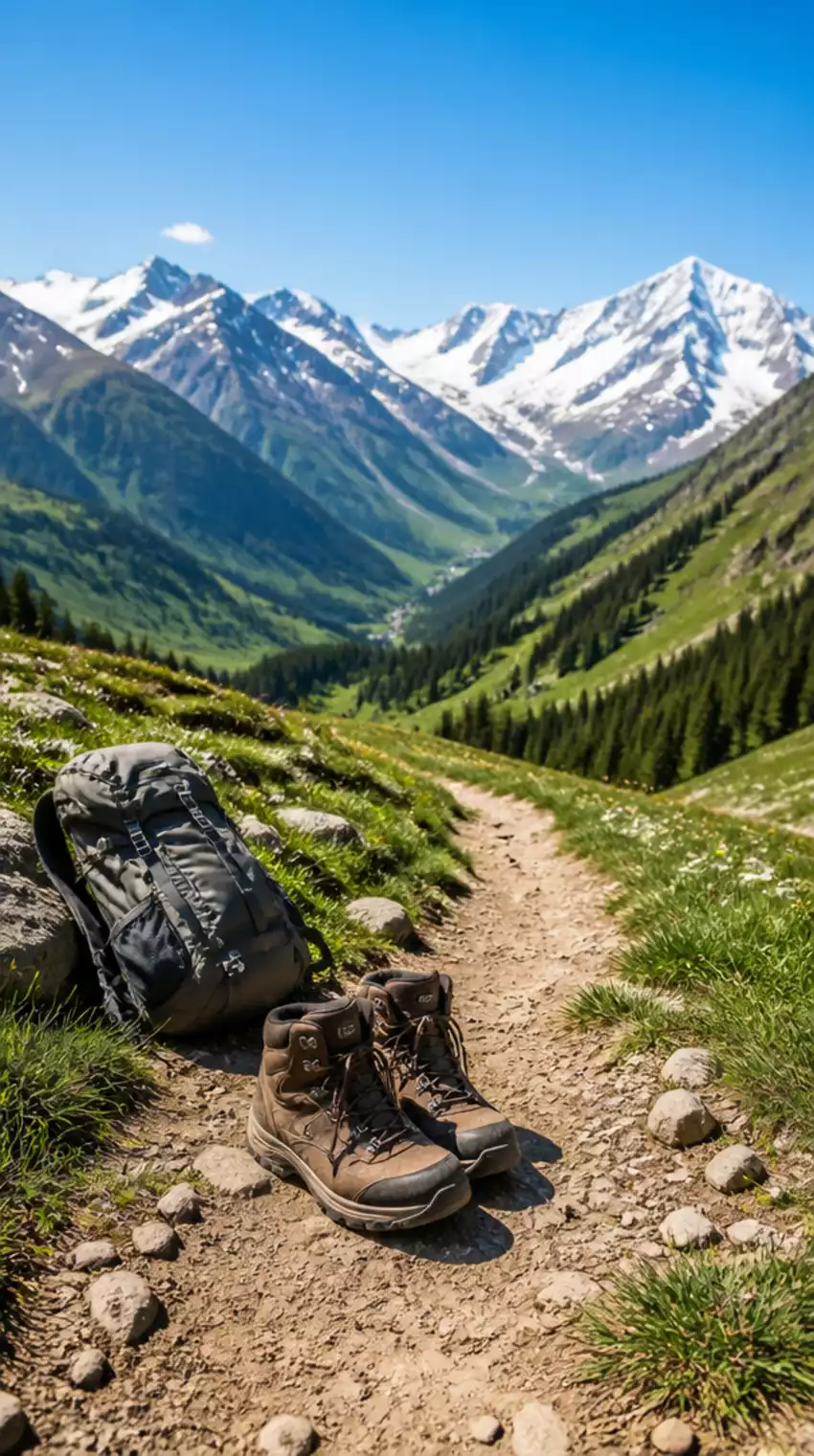
Have you considered the transformative power of nature on our spirits? The Hindu Kush, with its majestic mountains and rich cultural backdrop, offers not just a trek, but a profound journey that connects us to both the land and its people.
Delve into the key aspects of trekking the Hindu Kush, from trail difficulty to seasonal considerations and essential preparation steps, presented in a concise overview.
The Hindu Kush mountain range offers an adventure like no other. Nestled in the heart of Afghanistan, this breathtaking area invites explorers to dive into incredible landscapes filled with rich cultural heritage. Whether you're a seasoned trekker or a curious traveler, the Hindu Kush promises unforgettable experiences that resonate with the spirit of adventure!
Choosing the Hindu Kush for your next adventure means stepping into a world where nature and culture intersect beautifully. Not only will you witness stunning vistas, but you'll also connect with the warm-hearted local communities that call these mountains home. Are you ready to discover how geography shapes the lives of the Afghan people?
There are countless reasons to consider the Hindu Kush for your trekking escapade, but here are some of the most compelling:
By choosing the Hindu Kush, you're not just embarking on a physical journey; you're also embracing an opportunity to appreciate the intricate tapestry of Afghan culture. There's a deep sense of connection that develops through shared stories and experiences!
The Hindu Kush is home to several famous trekking routes that cater to a variety of preferences and skill levels. Here’s a glimpse into some of the most popular trails:
Each of these trails presents unique features and challenges, making them suitable for different adventurers. Whether you seek solitude or camaraderie, the Hindu Kush has a trail that will meet your needs!
Exploring the notable routes in the Hindu Kush unveils a variety of experiences. For instance, the Wakhan Valley trek is celebrated for its stunning high-altitude lakes and lush pastures. Meanwhile, the Bazarak Valley offers an intimate glimpse into daily life in remote Afghan villages.
Moreover, the Shahrak Pass provides breathtaking views of the rugged terrain while presenting a rewarding challenge for experienced trekkers. These trails are not just paths; they are gateways to adventure and discovery!
When it comes to difficulty levels, each trekking route in the Hindu Kush varies significantly. Here’s a quick breakdown:
Understanding these levels helps you choose the right path. Remember, preparation is key, and knowing what to expect will enhance your trekking experience!
The best time to hike in the Hindu Kush is typically during the spring and fall. These seasons offer milder temperatures and clearer skies—ideal conditions for trekking!
While summer can be a good time to trek at higher elevations, it’s essential to consider local weather patterns and prepare accordingly. Always check forecasts before embarking on your journey!
Getting to the trailheads in the Hindu Kush can add another layer to your adventure. Here are some common access routes:
Understanding how to navigate your way to these starting points is crucial. Engaging with local guides not only supports the communities but also enriches your trekking experience!
As with any adventure, ensuring your safety while hiking in the Hindu Kush is paramount. Preparing adequately and being aware of your surroundings will help you enjoy a safe and rewarding trek! For comprehensive guidelines on hiking safety, be sure to consult resources like the National Park Service's hiking safety article. Additionally, understanding essential gear is crucial; you can find more information on the 10 essentials for hiking. For medical advice related to mountain environments, the UIAA provides valuable guidance.
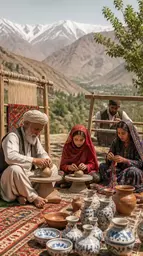
To truly immerse yourself in the Hindu Kush experience, consider spending time with local families. Many communities offer homestays, allowing you to learn about their daily lives, traditions, and even cooking techniques. This personal connection not only enriches your understanding of Afghan culture but also fosters a sense of community and camaraderie that enhances your trekking journey.
As you gear up for your adventure in the majestic Hindu Kush, it’s essential to reflect on the key aspects of your preparation. Remember, a well-planned trek not only enhances your experience but also ensures your safety and enjoyment throughout the journey. Here are some vital takeaways to keep in mind:
By focusing on these preparation elements, you'll be well-equipped to tackle the challenges that come with trekking through this breathtaking landscape. Embrace the journey, as it’s not just about reaching the destination but also about the experiences along the way!
One of the most rewarding aspects of trekking in the Hindu Kush is the chance to meet fellow adventurers. Sharing your experiences and learning from others can greatly enhance your journey. Consider joining online forums or social media groups dedicated to trekking in Afghanistan, where you can:
Connecting with a community of trekkers can not only provide practical advice but also inspire you to explore lesser-known trails and hidden gems across Afghanistan.
Now that you’ve prepared, it’s time to finalize your trekking plans. This includes choosing the right routes that align with your interests, fitness level, and available time. Don’t forget to double-check your gear selection, ensuring that everything is suited to the conditions you’ll face in the Hindu Kush. A good starting point is:
Feeling confident in your preparations will make your trek even more enjoyable, allowing you to fully immerse yourself in the stunning landscapes and rich culture of Afghanistan.
As more adventurers are drawn to the breathtaking beauty of the Hindu Kush, many questions arise. Here are some frequently asked questions that might help clarify your doubts:
These FAQs can guide your planning and set clear expectations for your adventure. Feel free to reach out to fellow trekkers or consult local experts for more personalized answers!
Experiencing the local culture is as enriching as the trek itself. The Hindu Kush is home to diverse communities, each with unique traditions and culinary delights. Engaging with these customs not only deepens your appreciation for the landscape but also allows for meaningful interactions with the locals. Here are a few cultural insights to consider:
Understanding and embracing local customs will not only enrich your trek but also foster goodwill and respect between you and the communities you interact with.
Here is a quick recap of the important points discussed in the article:
By Khalid Rahimi / Oct 03
By Khalid Rahimi / Sep 26
By Khalid Rahimi / Sep 22