Afghanistan's Artisan Crafts and Markets
By Khalid Rahimi / Sep 22
Did you know that Afghanistan's traditional crafts not only reflect its rich cultural heritage but also tell the stories of its resilient people? As we explore these intricate traditions, you’ll discover how they connect us to the history and identity of a vibrant nation.
Delve into the vibrant world of Afghan crafts and understand the various facets of their preservation, the challenges they face, and how individuals and organizations contribute to their sustainability.
As a passionate geographer and cultural enthusiast, I’ve always been fascinated by how Afghanistan’s traditional crafts reflect the country’s diverse cultural heritage. Each province weaves its own unique story through art and craftsmanship, showcasing the resilience and creativity of its people. In this section, we will explore these intricate traditions that not only embellish our homes but also connect us to the rich history of our land.
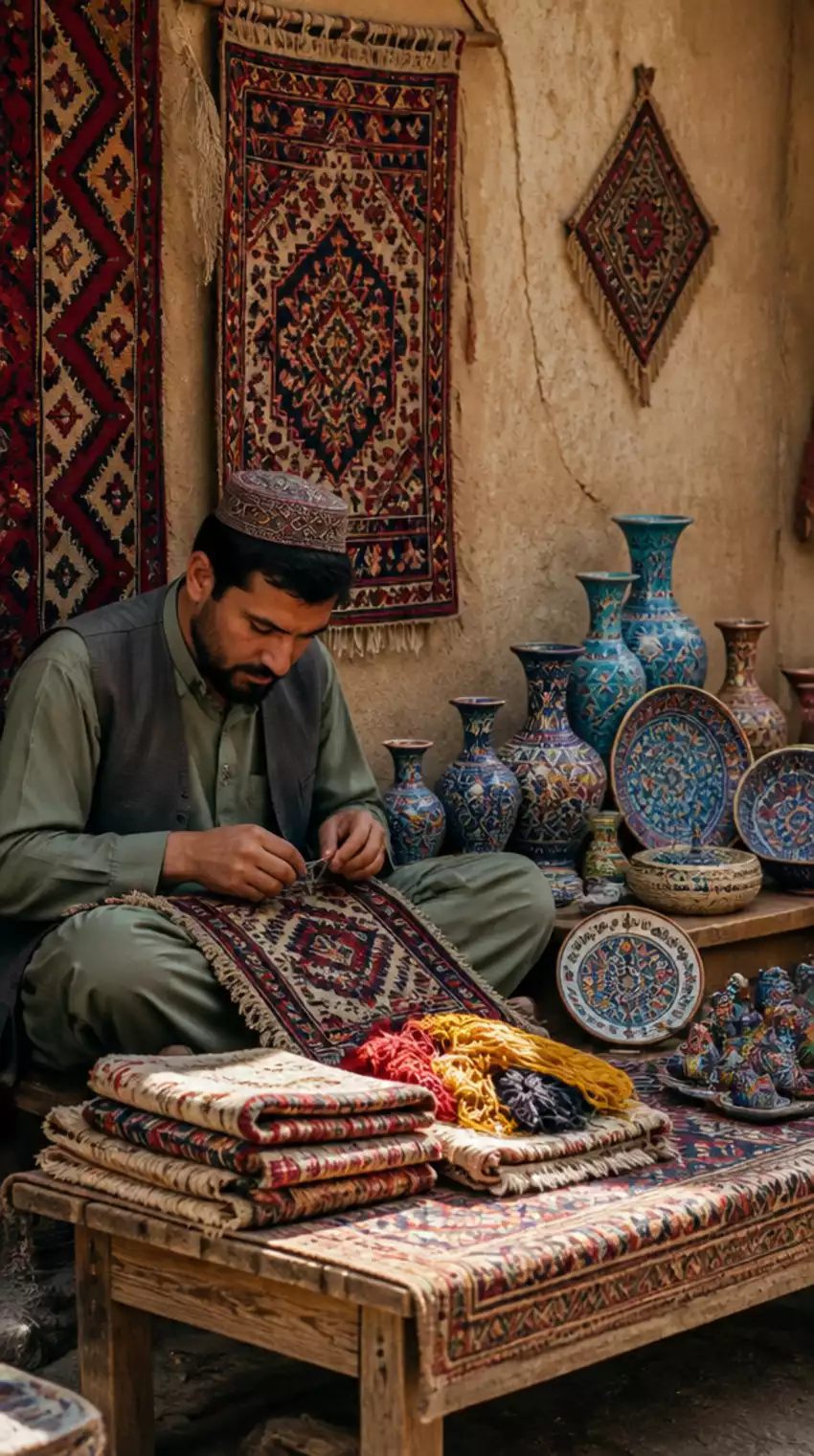
Traditional crafts in Afghanistan encompass a wide range of artisanal skills, including weaving, pottery, and metalwork. These crafts are often passed down through generations, embodying the cultural identity of different communities. Whether it’s the stunning carpets of Herat or the intricate embroidery of Badakhshan, each craft tells a story of its makers and their environment.
These crafts not only serve functional purposes but also express the artistic spirit of Afghanistan. They are vital to understanding how geography influences the lifestyle and practices of the Afghan people, and they continue to thrive amidst challenges.
Handicrafts hold a special place in Afghan culture, symbolizing not just artistry but also community and heritage. They are integral to celebrations, rituals, and daily life, often seen as a means of preserving traditions. The value of these crafts extends beyond their aesthetic appeal; they represent the soul of Afghanistan.
By appreciating and investing in these crafts, we contribute to a greater understanding of our diverse culture. Each piece carries with it the history and stories of those who created it, inviting us to celebrate Afghanistan’s vibrant heritage.
Embroidery is one of the most celebrated crafts in Afghanistan, with each region showcasing its distinctive styles and techniques. From the intricate floral designs of Nimroz to the geometric patterns found in the north, the diversity in embroidery reflects local customs and resources. The vibrant colors used in these works often symbolize different aspects of life and nature.
As you explore the world of Afghan embroidery, you’ll notice how these techniques not only beautify garments but also serve to convey cultural narratives and identities. Every stitch is a testament to the artistry and dedication of Afghan women, who play a vital role in keeping these traditions alive.
Afghanistan’s pottery and ceramics are equally captivating, characterized by their unique glazes and forms. Regions like Kandahar and Herat are known for their rich clay deposits, leading to a long-standing tradition of creating beautiful, functional ware. Pottery serves everyday needs while also being a canvas for artistic expression.
By engaging with Afghan pottery, we not only appreciate its beauty but also recognize the skill and resourcefulness of the artisans behind these creations. For example, the detailed work of Kandahar Treasure highlights the significance of local materials and traditional techniques in producing exquisite ceramics.
Wood carving and metalwork are crafts deeply rooted in Afghan history, with influences from various cultures that have traversed the region. The intricate designs found in wooden doors and metal ornaments often reflect the historical significance of the craftspeople’s community. These crafts are not merely decorative; they embody stories of heritage and tradition.
Visiting bazaars can reveal a treasure trove of beautifully crafted items, inviting you to learn more about the artisans' techniques and the stories behind their work.
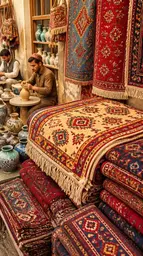
No discussion of Afghan crafts would be complete without mentioning the magnificent art of carpet weaving. Afghan carpets are known for their rich colors, intricate patterns, and symbolic meanings. Each design is a reflection of the weaver’s heritage and personal story, often incorporating motifs that signify prosperity, protection, and cultural beliefs.
Owning an Afghan carpet is not just a purchase; it's a way to connect with the rich tapestry of Afghan culture and history.
Afghanistan is renowned for its textiles, including luxurious Pashmina shawls and vibrant kilims. Pashmina is made from the finest wool of the Changthangi goat, and it symbolizes elegance and craftsmanship. Kilims, on the other hand, are flat-woven rugs that showcase bold patterns and colors, often representing the nomadic lifestyle of Afghan tribes.
Exploring these textiles allows us to appreciate the diversity of Afghan craftsmanship and the stories woven into each piece, connecting us to the artisans who breathe life into these beautiful fabrics.
Lastly, we cannot overlook the exquisite art of miniature painting and calligraphy, which have flourished in Afghanistan for centuries. These art forms are intricate and detailed, often depicting historical events and cultural themes. Miniature paintings are a feast for the eyes, while calligraphy showcases the beauty of the Persian language, elevating written words to an art form.
Engaging with these art forms allows us to connect with the past and celebrate the continuous evolution of Afghan artistry.
When purchasing Afghan handicrafts, consider supporting artisans directly through local markets or online platforms that prioritize fair trade practices. This not only ensures that your money reaches the creators but also helps sustain their traditional techniques and cultural heritage.
As we delve into the preservation of Afghanistan’s artisan heritage, it becomes clear how crucial these crafts are to our cultural identity. Each handcrafted item tells a story, linking generations of artisans to their ancestral skills. However, this rich tapestry faces several challenges that threaten its survival.
From my own experiences at Afghanistan Map, I’ve witnessed firsthand the dedication of artisans who pour their hearts into their craft. Yet, they also confront a myriad of obstacles that make it increasingly difficult to keep these traditions alive.
Understanding the significance of cultural heritage in crafts is essential for appreciating their value. Our artisan communities are not only preserving techniques but also embodying the stories and values of our diverse cultures. Yet, various challenges persist.
Each of these hurdles impacts the ability of artisans to thrive and continue passing on their skills to future generations. Addressing these challenges is vital for preserving the essence of Afghan crafts.
Preserving traditional crafts in Afghanistan isn’t just about maintaining techniques; it’s also about ensuring that the artisans themselves can sustain their practices. Challenges such as economic instability and changing consumer preferences pose real threats to these vibrant communities.
Many artisans struggle to find markets for their work, often forced to sell at prices that undervalue their skill. The need for support and understanding from buyers, both local and international, is becoming more pronounced.
Fortunately, several initiatives aim to bolster artisan communities and promote the preservation of their crafts. Organizations are stepping up to provide training, resources, and market access for local artisans. Here are some of the initiatives making an impact:
These initiatives not only empower artisans but also help to foster a greater appreciation for their work among wider audiences. For instance, the efforts to revitalize crafts through organizations like Turquoise Mountain Trust have been instrumental in building livelihoods and promoting trade for Afghan artisans.
Non-governmental organizations (NGOs) play a pivotal role in the preservation of Afghan artisan crafts. They provide crucial support, focusing on sustainable practices that respect cultural heritage while promoting economic stability.
Many NGOs also work on the ground to facilitate networking opportunities for artisans, helping them collaborate and share resources. This collective effort is essential to revitalizing the artisan landscape. An excellent example is how Turquoise Mountain supports artisans in Murad Khani, Afghanistan, by providing training and market access, ensuring these invaluable skills are passed down.
As someone who is passionate about showcasing Afghanistan’s rich culture, I believe each of us has a part to play in supporting local artisans. Whether it’s through purchasing handcrafted items or engaging in community initiatives, every action counts!
Let’s explore how we can contribute to this vibrant landscape.
Supporting local artisans goes beyond mere transactions; it reflects a commitment to preserving their craftsmanship and cultural identity. Here are some practical ways to get involved:
Each of these actions sends a powerful message of respect and appreciation for the hard work that goes into Afghan crafts.
When purchasing handmade crafts, it's essential to consider the ethical implications. Ensure that you buy from artisans who are fairly compensated and treated with respect. Supporting ethical practices helps build a sustainable future for these talented individuals.
At Afghanistan Map, we encourage transparency in transactions, as every purchase contributes directly to the lives of artisans and their families.
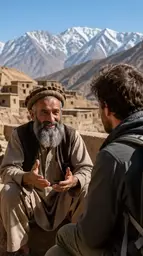
Attending workshops and artisan events not only enriches your understanding of Afghan culture but also directly supports the artisans. These settings provide a unique opportunity to engage with the creators of these beautiful works while learning about their techniques and stories.
By participating, you become part of a movement that promotes cultural exchange and understanding, as well as a chance to connect personally with the craft.
As we support Afghan artisans, we also contribute to a broader cultural exchange. Sharing stories of Afghan crafts with the world fosters understanding and appreciation for this rich heritage.
Personal narratives can bridge gaps between cultures, helping others to see the beauty in Afghan craftsmanship and the stories behind each piece.
One powerful way to support artisans is by sharing their stories. Discuss their craft techniques, histories, and the challenges they face. This not only raises awareness but also helps others appreciate the significance of these traditions.
At Afghanistan Map, we’re dedicated to bringing these stories to light. Each narrative is an invitation to explore Afghanistan's depth and cultural richness.
Fair trade practices have the potential to transform artisan communities by ensuring that artisans receive fair compensation for their work. This approach not only improves their livelihoods but also empowers them to continue their craft with pride.
By supporting fair trade, we contribute to the sustainability of traditional crafts and the well-being of artisan families across Afghanistan.
As we conclude our exploration of Afghanistan’s artisan heritage, I invite you to reflect on your role in supporting this vibrant culture. Each action, no matter how small, contributes to the preservation and appreciation of these remarkable crafts.
Your involvement can lead to significant change in the lives of artisans. Embrace the opportunity to learn, support, and share the beauty of Afghan craftsmanship with the world!
Let’s join together in promoting Afghan handicrafts, celebrating the artistry, and ensuring that these remarkable traditions endure for future generations. Together, we can make a difference!
Here is a quick recap of the important points discussed in the article:
By Khalid Rahimi / Sep 22
By Khalid Rahimi / Sep 13
By Khalid Rahimi / Sep 06