Afghan Culture's Impact on Families
By Khalid Rahimi / Sep 26
Engaging with Afghan culture reveals a fascinating interplay of values and traditions that shape its society. As we delve into this rich tapestry, you'll uncover insights that not only foster understanding but also promote meaningful interactions.
Afghan culture is shaped by deeply rooted values and traditions, influencing family structures, social hierarchies, and community interactions. Below, we highlight key aspects.
These values are lived daily, shaping interactions and behaviors.
Forms the backbone of Afghan identity for many, reinforcing social bonds.
Crucial for support, sharing resources, and maintaining traditions.
Understanding these norms is crucial for engaging with Afghan society.
Afghan families are resiliently adapting while holding onto core values.
Education acts as a transformative force, shaping identity and agency.
Afghanistan's vibrant culture is a rich tapestry woven from centuries of history, traditions, and values. At its core, Afghan culture is defined by a set of core values that shape the lives of its people. Understanding these values is essential for anyone wishing to engage with the diverse communities within Afghanistan. As I explore the provinces, I've seen firsthand how these cultural norms influence everything from family dynamics to social interactions.
Key aspects that define Afghan culture include:
These values are not just theoretical but are lived daily by the Afghan people, shaping their interactions and guiding their behaviors.
Afghan culture is multi-faceted, reflecting the country's ethnic diversity and historical influences. One of the most significant values is Pashtunwali, the traditional code of conduct for the Pashtun people. This code governs moral behavior and influences social norms, promoting values such as honor, revenge, and hospitality. In my travels, I have witnessed how this code fosters a sense of unity among Pashtuns while also defining their relationships with others.
Besides Pashtunwali, other cultural norms include:
These elements not only enrich Afghan life but also create a framework through which individuals navigate their social worlds.
Pashtunwali is more than just a set of rules; it forms the backbone of Afghan identity for many. It emphasizes the importance of community and collective responsibility, creating a strong bond among people. I've seen how these values manifest in the daily lives of Pashtuns, from their decisions about conflict resolution to their interactions with outsiders. The principles of honor and revenge highlight the complexities of relationships within and outside their communities.
Some core tenets of Pashtunwali include:
These values not only reinforce social bonds but also shape the cultural landscape of Afghanistan, influencing how its people view themselves and their place in the world. Further insight into the importance of cultural identity can be found by exploring how cultural factors impact health behaviors within Afghan communities.
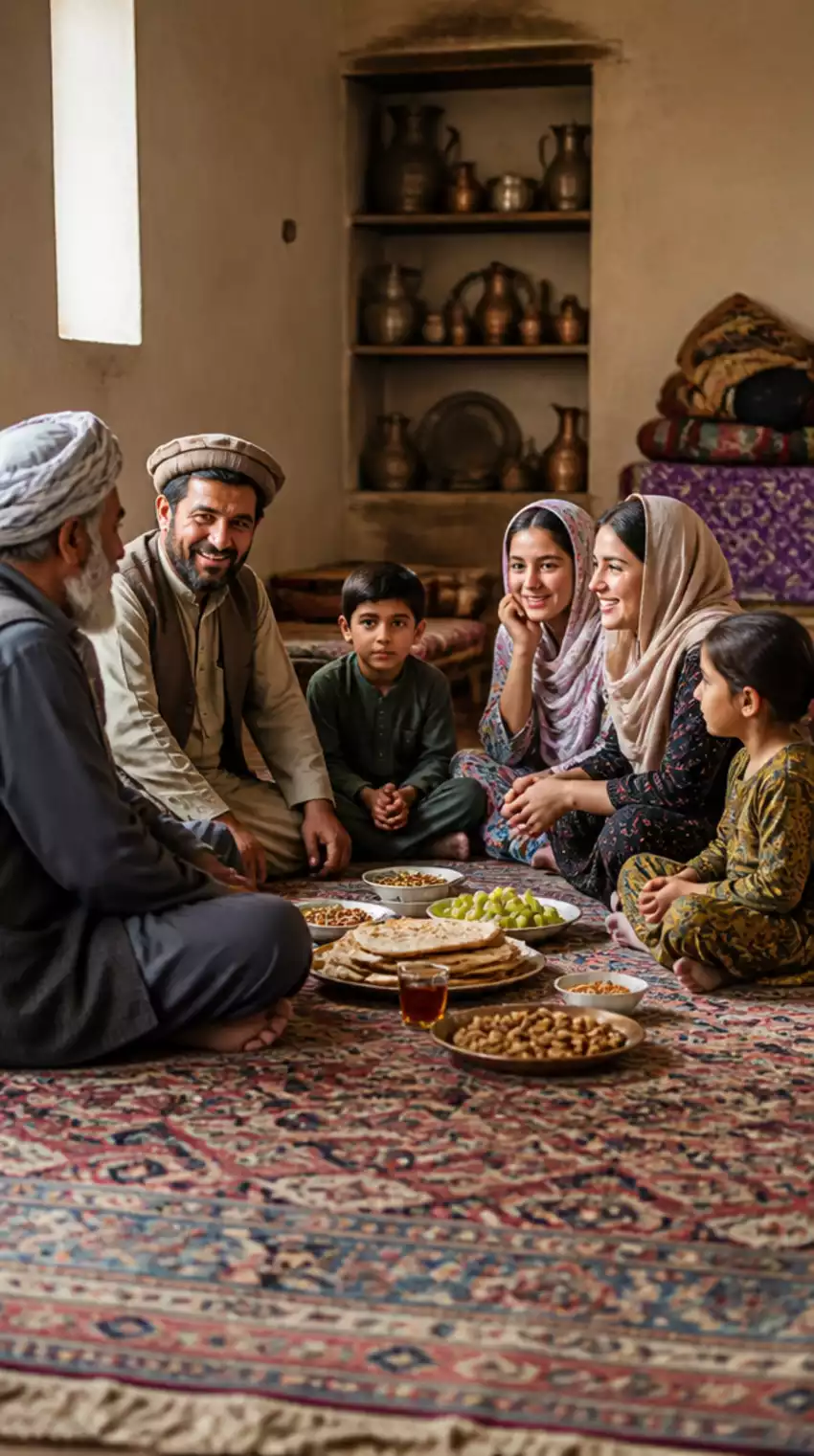
In Afghan society, the family unit extends beyond the nuclear family to include a larger network of relatives. This extended family structure is crucial for providing support, sharing resources, and maintaining traditions. I've often noted that family ties are incredibly strong, and decisions involving marriage, education, and even business are made in consultation with various family members, reflecting a deep-rooted sense of collective responsibility.
Some key features of family structures in Afghanistan include:
This interconnectedness plays a vital role in how Afghan families navigate life's challenges and maintain their cultural identity. For additional perspectives, a resource from the Minnesota Department of Health offers insights into Afghan family values and traditions.
When engaging with Afghan culture, consider the significance of storytelling. Sharing personal narratives not only fosters connection but also deepens understanding of cultural values and traditions. Encourage open dialogues and be ready to share your own stories, as this can create a mutual respect and appreciation for diverse experiences.
The core values of Afghan culture include hospitality, respect for elders, and a strong collective identity that prioritizes family and community cohesion.
Pashtunwali is a traditional code of conduct for the Pashtun people, emphasizing values like honor, revenge/reciprocity (Badal), hospitality (Melmastia), and support for family/tribe (Khosti). It forms a significant part of Afghan identity for many and reinforces social bonds.
Afghan family structures typically involve an extended family network where collective decision-making is common. Elders are highly respected as advisors, and there is strong intergenerational support, with resources often pooled for mutual benefit.
Honor and shame codes significantly regulate social behavior and community interactions in Afghan society, influencing individual actions and relationships.
Education is a transformative force, fostering critical thinking among youth and empowering women with greater opportunities for civic participation. It is also reshaping family expectations and leading to more women entering the workforce, thus shifting traditional gender roles.
Afghan cultural norms are deeply woven into the fabric of family structures and societal interactions, shaping not only how individuals relate to one another but also how communities function as a whole. Understanding these norms is crucial for anyone looking to engage meaningfully with Afghan society. Here are some key takeaways about the impact of social hierarchies and family dynamics:
These elements shape the Afghan experience, resonating through generations and providing a lens through which to understand the complexities of modern Afghan life. By recognizing these cultural norms, we can better appreciate the nuances that define Afghan society.
As we look to the future, it’s essential to explore how Afghan families are navigating the tides of change. With urbanization and globalization influencing traditional practices, many families are finding new ways to adapt while holding on to core values. Key areas of change include:
These shifts highlight a resilient and adaptable culture that continues to evolve while honoring its rich heritage.
Engaging in conversations about Afghan cultural practices can foster mutual understanding and respect. By inviting open dialogue, we allow space for diverse perspectives and experiences within the Afghan community. Here are some effective ways to facilitate these discussions:
These initiatives can help bridge cultural gaps and promote a richer understanding of Afghan society.
The role of education in Afghanistan extends beyond mere academic achievement; it is a transformative force shaping the identity of Afghan youth. As students gain access to education, they are not only acquiring knowledge but also developing a sense of agency and responsibility. Key impacts of education on youth culture include:
By focusing on education, we can witness the emergence of a new generation that blends traditional values with modern perspectives, paving the way for a more inclusive future in Afghanistan.
Here is a quick recap of the important points discussed in the article:
By Khalid Rahimi / Sep 26
By Khalid Rahimi / Sep 22
By Khalid Rahimi / Sep 13