Afghan Markets: Carpets and Crafts
By Khalid Rahimi / Sep 13
Consider the profound stories woven through the ancient streets of Herat, Ghazni, and Mazar-e-Sharif. Each city not only reflects the rich tapestry of Afghanistan's past but also offers insights into its modern identity. With history etched into every corner, these cities invite us to learn and connect with a culture that has thrived through centuries of change.
Each city — Herat, Ghazni, and Mazar-e-Sharif — offers a unique window into Afghanistan's rich cultural heritage. Discover their distinctive features and historical significance below.
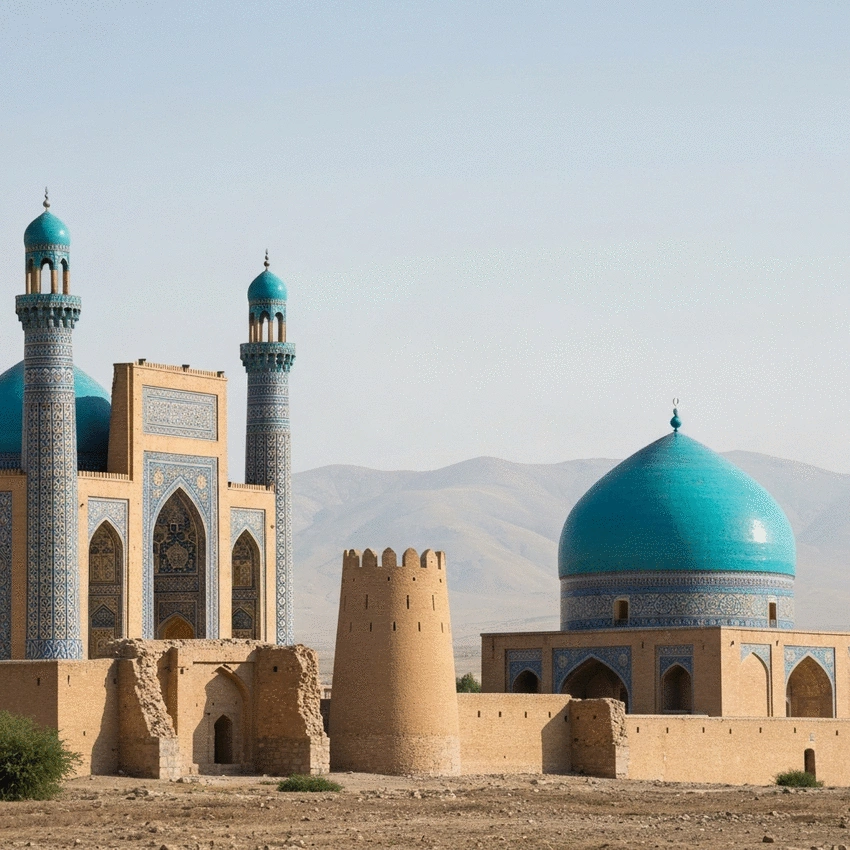
Known for its stunning architecture, Herat has been a cultural center since the Persian Empire. Key landmarks include the Herat Citadel and the magnificent Mosque of Friday, showcasing intricate designs and historical depth.
Once the heart of the Ghaznavid Empire, Ghazni's history is rich with tales of conquest. The imposing Minaret of Jam, a UNESCO World Heritage site, stands as a powerful reminder of its historical significance.
Best known for the Blue Mosque (Shrine of Hazrat Ali), a significant pilgrimage site. It's not just a religious landmark but a symbol of unity and hope, also playing a vital role in regional trade.
As I delve into Afghanistan's rich tapestry of history, three cities stand out for their profound cultural significance: Herat, Ghazni, and Mazar-e-Sharif. Each city tells a unique story, intricately woven into the broader narrative of Afghanistan's heritage and identity. Understanding why these cities matter not only enhances our appreciation of Afghanistan's past but also helps us connect with its present.
These cities serve as living museums, showcasing how geography and culture have shaped the lives of their inhabitants. With the backdrop of the ancient Silk Road, they provide insights into how trade and cultural exchanges have impacted modern Afghan identity! To explore Afghanistan's rich historical and cultural landscape further, you can refer to the research on Afghanistan from the University of Chicago.
Historically, Herat, Ghazni, and Mazar-e-Sharif have been pivotal in the development of Afghanistan’s cultural landscape. They represent the crossroads of different empires, each leaving its mark on the architecture and traditions that still resonate today.
These cities not only reflect Afghanistan's historical legacy but also embody its ongoing narrative, shaped by the resilience and spirit of its people.
The Silk Road was a lifeline for trade, culture, and ideas, connecting Asia to the Mediterranean. Today, the echoes of this ancient route can still be felt in the bustling bazaars and vibrant cultural practices of cities like Herat and Mazar-e-Sharif. These historical links help us understand the modern Afghan identity, deeply rooted in a rich cultural heritage.
As travelers, we have the opportunity to walk the same paths that countless generations have traversed, experiencing firsthand the enduring legacy of the Silk Road.
From the Persian to the Mongol empires, Afghanistan’s cities have been shaped by a multitude of influences. In Herat, the stunning architecture showcases Persian artistry, while Ghazni's imposing structures reflect the might of the Ghaznavid Empire. Each building tells a story, revealing layers of history and cultural exchange!
This architectural heritage is not only a testament to the past but also a source of pride for the Afghan people, inspiring a continued appreciation for their diverse cultural roots.
The Persian Empire's influence on Afghanistan is particularly profound. It left behind a cultural legacy that is evident in everything from language to cuisine. In cities like Herat, Persian poetry and art flourish, enriching the local culture.
As we explore these cities, we can see how this rich heritage continues to shape the cultural landscape, inviting us to appreciate the beauty of diversity.
Now, let’s take a closer look at what makes Herat, Ghazni, and Mazar-e-Sharif stand out. Each city boasts unique features and historical landmarks that tell their own stories.
Herat is often considered the jewel of Afghanistan, renowned for its breathtaking Herat Citadel and the magnificent Mosque of Friday. These historical landmarks showcase the city's rich architectural heritage, blending intricate designs with historical significance.
The Great Mosque of Herat, with its stunning tile work, is a must-visit. Nearby, you can explore Bagh-i Bahisht, a beautiful garden that offers a peaceful retreat amidst the bustling city life.
Ghazni's history is steeped in the echoes of the past, notably as the seat of the Ghaznavid Empire. The city is home to several key landmarks, including the imposing Minaret of Jam, a UNESCO World Heritage site that stands as a reminder of Ghazni's historical significance.
Exploring Ghazni allows us to appreciate how conquests have shaped its landscape, leaving a rich cultural imprint that continues to influence the region today. For more comprehensive historical accounts, consult academic resources on Afghanistan's history.
Mazar-e-Sharif is perhaps best known for the Blue Mosque or the Shrine of Hazrat Ali, an important pilgrimage site for many Afghans. This mosque is not just a religious site; it’s a symbol of unity and hope for the Afghan people.
The city also plays a vital role in regional trade, further enriching its cultural significance. Folklore and traditions are alive in Mazar-e-Sharif, creating a vibrant tapestry that reflects the heart of Afghan culture. Visitors often find themselves captivated by the stories and legends that weave through the city’s streets!
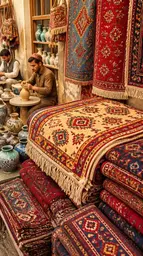
When exploring the cities of Herat, Ghazni, and Mazar-e-Sharif, take time to engage with local artisans. Their crafts often reflect a blend of historical influences and contemporary culture, providing a tangible connection to Afghanistan's rich heritage. Don't miss the opportunity to learn about the stories behind their creations!
Herat is known for its stunning architecture, including the Herat Citadel and the Mosque of Friday, and has been a cultural center since the Persian Empire, reflecting a rich blend of artistic and historical depth.
Ghazni was once the capital of the Ghaznavid Empire and is rich in tales of conquest. It features important landmarks like the Minaret of Jam, a UNESCO World Heritage site, which symbolizes its powerful historical significance.
Mazar-e-Sharif is home to the revered Blue Mosque (Shrine of Hazrat Ali), which is a significant pilgrimage destination for many Afghans. Beyond its religious importance, it serves as a symbol of unity and hope for the nation and plays a key role in regional trade.
The Silk Road, historically a crucial route for trade and cultural exchange, continues to shape modern Afghan identity through its lasting impact on local traditions, bustling bazaars, and diverse cultural practices in cities like Herat and Mazar-e-Sharif.
Preservation efforts are crucial for fostering community pride, promoting cultural awareness, and ensuring that future generations can connect with their rich heritage. These efforts help maintain Afghanistan's cultural identity amidst ongoing challenges.
Understanding the significance of Afghanistan's ancient cities—Herat, Ghazni, and Mazar-e-Sharif—offers us a profound glimpse into the rich tapestry of history that has shaped not only these locales but the national identity as well. Each city is a repository of stories and cultures that connect past to present, illuminating the intricate relationships among geography, history, and the people who call this land home. By exploring these cities, we can appreciate how cultural heritage serves as a bridge to understanding the complexities of Afghanistan's modern challenges.
Reflecting on the lessons learned from these ancient cities encourages us to embrace the beauty found in diversity and resilience. For instance, we can recognize the enduring influence of the Silk Road, which has left an indelible mark on trade, culture, and social interactions in Afghanistan. It’s essential to acknowledge that our understanding of history is enriched by examining the cultural heritage of regions, like those represented in Afghanistan's storied cities.
As travelers and culture enthusiasts, we find that learning about the past is not just an academic exercise but a vital part of connecting with the present. The stories and histories woven into the ancient architecture and local traditions of Herat, Ghazni, and Mazar-e-Sharif offer us crucial insights into how historical events shape national identity. Here are a few key reasons why understanding these cities is so important:
These points illuminate the importance of cultural heritage. As we delve deeper into these ancient cities, we can better understand the motivations and aspirations of the Afghan people today.
Cultural heritage in Afghanistan acts as a bridge that connects generations, allowing us to learn from the past while making sense of contemporary realities. The vibrant stories encapsulated in the architecture, local crafts, and long-standing traditions remind us that history is not merely a series of dates and events; it is a living narrative that continues to evolve.
As we explore the cultural significance of these cities, we find that they embody the resilience and spirit of the Afghan people. The stories they tell help us appreciate the interwoven nature of human experiences, which often transcend borders and time periods.
Preservation efforts for Afghanistan's ancient cities are vital in today’s context, where ongoing conflicts threaten to erase the rich history encapsulated within their walls. Through my work with Afghanistan Map, I’ve seen firsthand how these efforts can foster community engagement and promote cultural awareness. You can find more detailed maps and references through the Library of Congress's published reference sources on Afghanistan.
By advocating for the importance of preserving these historic sites, we not only honor the past but also provide future generations with the opportunity to connect with their heritage. A few key aspects of preservation include:
As we reflect on these aspects, it's clear that preserving cultural heritage is essential for fostering a sense of identity and belonging for the Afghan people.
The historical narratives surrounding Herat, Ghazni, and Mazar-e-Sharif play a crucial role in shaping Afghan national identity. These cities are not just locations on a map; they are emblematic of the struggles, triumphs, and rich cultural heritage of the Afghan people. From the architectural wonders to the tales of legendary figures, these stories form the backbone of cultural identity.
As I share insights through Afghanistan Map, I see the power of these narratives in promoting unity and understanding among diverse ethnic groups within the nation. By emphasizing a collective history, we pave the way for a deeper appreciation of Afghanistan's uniqueness and its contributions to global culture.
As we delve into Afghanistan's ancient cities, I encourage readers to explore further and engage with the culture on a personal level. Embracing the diversity of experiences can enrich our understanding and foster a sense of connection with people from different backgrounds. By visiting these historic sites, we can immerse ourselves in the stories they hold and appreciate the beauty of Afghan culture.
In exploring these cities, we also open ourselves to engaging in meaningful conversations about heritage and identity. Let’s take the opportunity to share our thoughts and experiences about this remarkable journey.
To deepen your understanding of Afghanistan's cultural heritage, here are some valuable resources to explore:
By utilizing these resources, you can gain further insights and appreciation for the rich heritage that Afghanistan has to offer.
I invite you to join the conversation about Afghanistan's remarkable cities and cultural heritage. Have you explored any of these ancient sites? What stories resonated with you? Your experiences and insights are invaluable in creating a wider understanding and appreciation of Afghanistan's diverse history.
Feel free to share your thoughts in the comments below or reach out through Afghanistan Map. Together, we can foster a community of cultural awareness and exploration!
Here is a quick recap of the important points discussed in the article:
By Khalid Rahimi / Sep 13
By Khalid Rahimi / Sep 06
By Khalid Rahimi / Sep 02