Afghan Markets: Carpets and Crafts
By Khalid Rahimi / Sep 13
As you delve into the vibrant world of Afghan markets, consider the stories behind each unique item. Every stall and artisan presents a chance to connect with the rich cultural heritage that thrives in these bazaars. Are you ready to explore the hidden treasures of Afghanistan?
Understanding the unique appeal of Afghan markets, from regional crafts to essential planning tips for travelers.
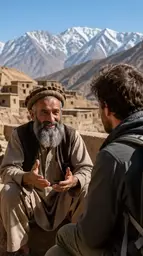
Local markets in Afghanistan are not just places to buy goods; they are vibrant cultural hubs that reflect the rich history and traditions of the country. Each bazaar has its own unique character, bringing together diverse communities and showcasing Afghanistan’s cultural tapestry. As a passionate geographer and cultural enthusiast, I find walking through these markets an enriching experience, where every item tells a story of craftsmanship and heritage.
From bustling streets filled with colorful fabrics to the aroma of spices wafting through the air, the markets offer a glimpse into the everyday lives of the Afghan people. They encapsulate the essence of community and the sharing of traditions, making them essential stops for any traveler seeking an authentic experience in Afghanistan.
Afghan markets serve as a mirror reflecting the country’s diverse cultures, languages, and traditions. They are gathering places where locals come to socialize, barter, and share stories. In these lively environments, you will often find:
Visiting these markets offers a profound opportunity to understand the intricate connections between geography and culture in Afghanistan. You'll quickly realize that each product is not just a commodity; it carries the influence of the land, history, and the invaluable insights of its artisans.
When it comes to shopping in Afghanistan, certain bazaars stand out for their unique offerings and historical significance. Here are some renowned shopping destinations you should consider:
Each of these bazaars offers a distinct shopping experience, allowing you to engage with local vendors, taste traditional foods, and even learn a bit about the history that has shaped these markets over time. They are not just places to shop; they are cultural experiences waiting to be uncovered!
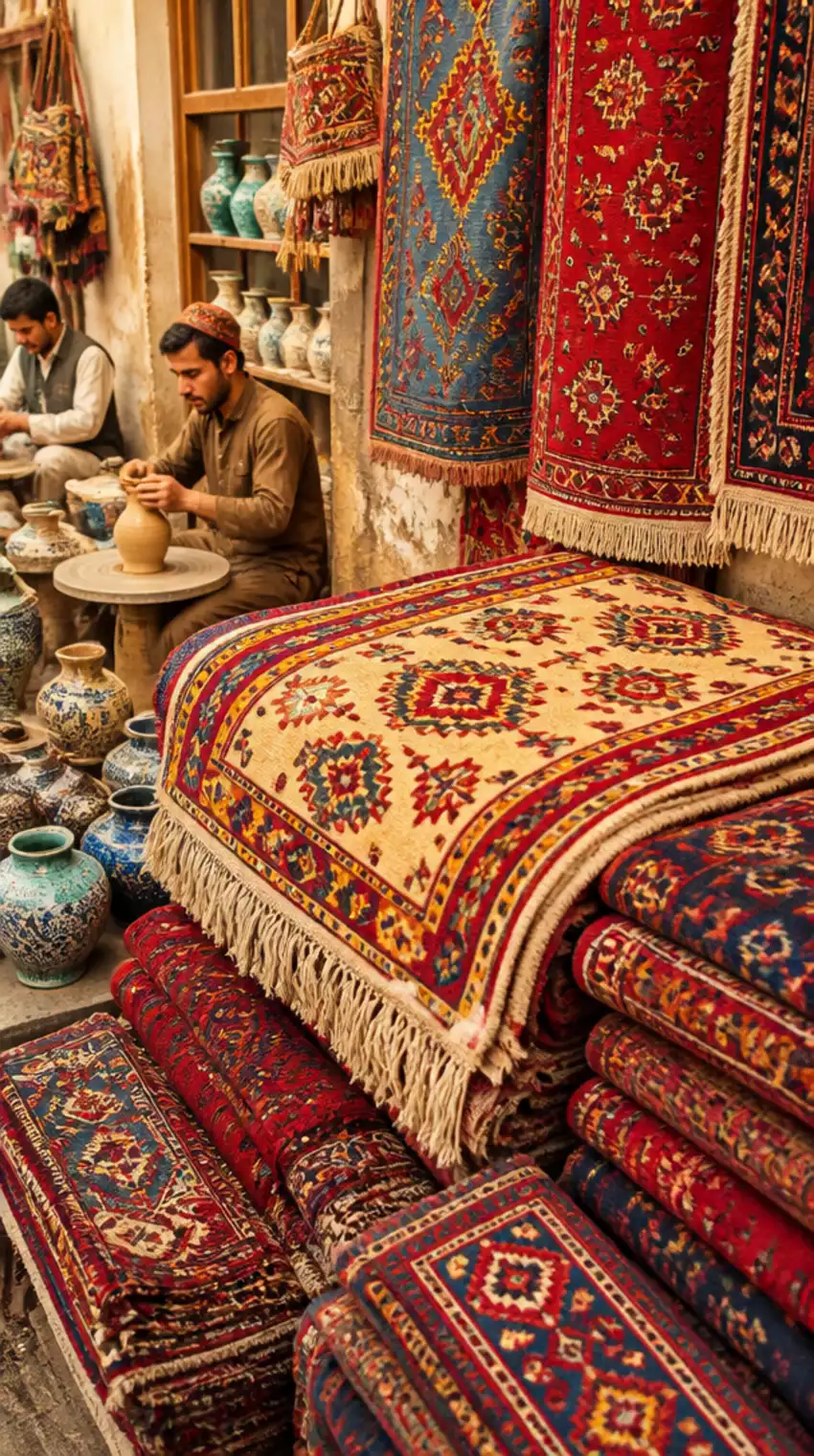
Kabul and Kandahar are two cities with vibrant market scenes that showcase the diversity of Afghan craftsmanship. The Kabul Bazaar is a bustling hub where you can find a mix of modern goods and traditional crafts, from beautiful carpets to exquisite jewelry. Here, you’ll find:
In Kandahar, the markets are known for their specialty items, including high-quality pomegranates and saffron. These unique offerings, alongside the warm hospitality of the vendors, create a shopping experience that is both delightful and memorable. Whether you’re negotiating for a beautiful carpet or sampling local snacks, the markets of Kabul and Kandahar truly embody the essence of Afghanistan.
When shopping in Afghan bazaars, take time to learn about the artisans behind the crafts. Engaging with them not only enriches your experience but also allows you to understand the cultural significance of your purchases. A simple question about the history of a piece can lead to fascinating stories that deepen your appreciation for Afghan craftsmanship!
When you venture into the vibrant bazaars of Afghanistan, you're not just buying products; you're investing in authenticity. Each item tells a story, whether it's a beautifully woven carpet or a piece of handcrafted jewelry. Understanding the distinction between authentic crafts and mass-produced imitations can enhance your experience tremendously.
Consider the quality versus price; authentic Afghan crafts often come with a higher price tag due to the skill and time invested by local artisans. Here are some key factors to keep in mind:
With each purchase, you support local craftsmanship, making your shopping adventure not only memorable but also meaningful. Each item is a piece of art, so take the time to appreciate the stories they hold!
After your shopping experience, I invite you to share your discoveries! Engaging with the community of fellow travelers can be rewarding and enlightening. When you return home, consider sharing your experiences and recommendations from the Afghan bazaars on social media or through local travel forums.
Here are some ways you can contribute to this growing community:
This exchange not only enriches the travel community but also fosters a sense of connectivity among those who appreciate Afghanistan's rich culture and craftsmanship. Together, we can create a supportive network that highlights these wonderful experiences!
Afghan markets are vibrant cultural hubs that reflect the country's rich history and traditions, offering a glimpse into the everyday lives of the Afghan people. They showcase diverse communities, artisan crafts, traditional foods, and textiles, making them essential stops for an authentic experience.
Some renowned shopping destinations include Chicken Street (known for antiques and crafts), Mandawi Bazaar in Kabul (for textiles and household goods), Herat Old City Bazaar (for artisanal products and local delicacies), and Blue Mosque Bazaar in Mazar-e Sharif (for traditional carpets and crafts).
In Kabul Bazaar, you can find a mix of modern goods and traditional crafts, including beautiful carpets, exquisite jewelry, local spices, handwoven textiles, and colorful pottery. Kandahar markets are famous for specialty items like high-quality pomegranates and saffron.
To ensure authenticity, look for natural fibers like wool or silk in carpets, engage with sellers about their crafting methods, and familiarize yourself with traditional Afghan design patterns. Authentic crafts often reflect the skill and time invested by local artisans.
It's advisable to visit during the early morning or late afternoon to avoid the heat and explore at a leisurely pace. This timing also allows for better engagement with local vendors and a more comfortable shopping experience.
As you plan your visits to the best bazaars in Afghanistan, let’s summarize some key points to help you make the most of your shopping adventure. Timing and approach can significantly enhance your experience:
By being intentional in your planning, you can ensure a fulfilling experience that goes beyond the surface of shopping. Each interaction and purchase reflects the rich history and culture of this beautiful nation!
Before embarking on your shopping journey, it's essential to stay informed. Here are some valuable resources and platforms that can enhance your travel planning:
By leveraging these resources, you can ensure you’re well-prepared and ready to immerse yourself in the vibrant culture of Afghan markets. Knowledge is power, after all!
Shopping in Afghanistan goes beyond mere transactions; it’s about embracing and participating in the local culture. Many bazaars host festivals or art markets that celebrate Afghan traditions and craftsmanship. Engaging with local festivals offers a unique opportunity to:
These experiences enrich your shopping adventure, allowing you to take home not just physical items, but treasured memories and a deeper appreciation of Afghanistan's cultural landscape. So, embrace the opportunity and dive into the heart of Afghan culture!
Here is a quick recap of the important points discussed in the article:
By Khalid Rahimi / Sep 13
By Khalid Rahimi / Sep 06
By Khalid Rahimi / Sep 02