Afghan Culture's Impact on Families
By Khalid Rahimi / Sep 26
As we delve into the intricacies of Afghanistan's education system, we uncover a landscape marked by both remarkable achievements and formidable challenges. With over 3.5 million children still out of school, your understanding of this complex framework becomes crucial. What are the key insights that can illuminate the path forward for education in Afghanistan?
An overview of key statistics and future objectives for Afghanistan's education system.
3.5 million+ children out of school.
Many schools lack adequate facilities and trained teachers.
Societal norms can hinder girls' education, especially in rural areas.
90% primary education enrollment rate.
Closing the gender gap, ensuring equal access for girls.
Comprehensive vocational training in every province.
Education in Afghanistan is a vital component in shaping the future of its people. Since 2001, the country has seen significant efforts to rebuild its education system, yet many challenges remain. My passion for geography and culture leads me to explore how these factors intertwine with education, highlighting both progress made and the hurdles that still exist.
In the journey of understanding Afghanistan's educational landscape, we can appreciate the remarkable growth in enrollment rates and the establishment of educational institutions across various regions. However, it’s essential to acknowledge that political instability, cultural norms, and economic barriers continue to affect children's access to schooling. This article delves into these dynamics, providing a comprehensive overview of the current state of education in Afghanistan.
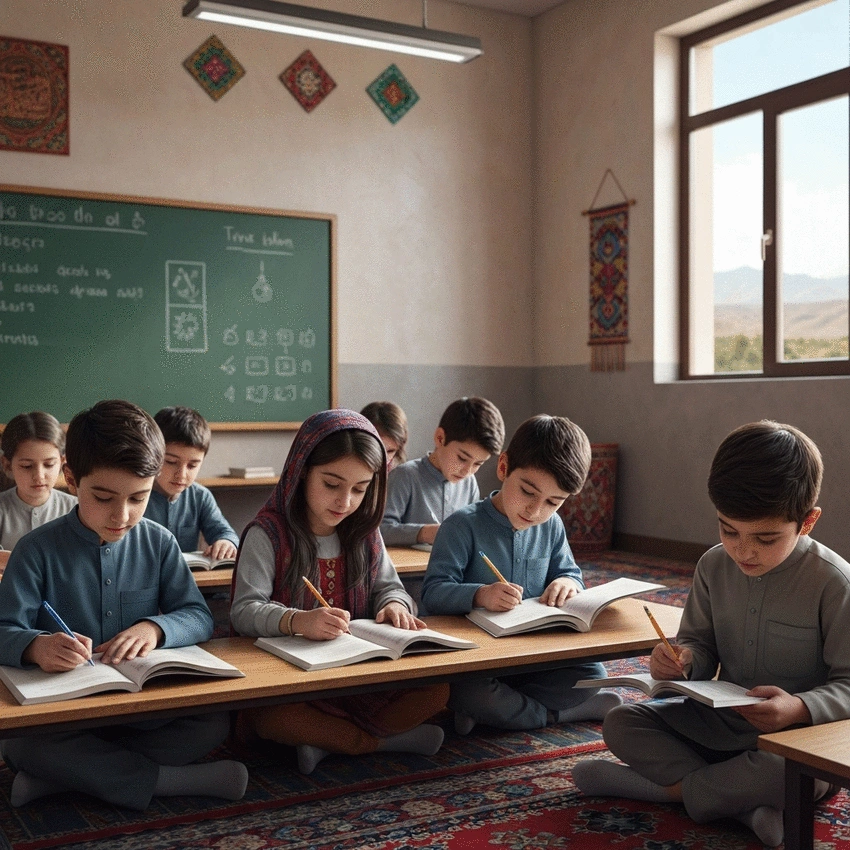
The education system in Afghanistan has witnessed transformative changes since 2001, aiming to rebuild what was lost during decades of conflict. Today, millions of children—especially girls—are attending school for the first time, showcasing a resilient spirit among Afghan families. Yet, the challenges are multifaceted.
These statistics highlight a mixed landscape. While strides have been made, the road ahead requires ongoing commitment and innovative solutions to enhance educational access and quality for all.
Since the fall of the Taliban regime, efforts to revitalize education in Afghanistan have been noteworthy. Schools have opened, curricula have been reformed, and international support has surged. However, the journey has not been without obstacles. For instance, insecurity has disrupted learning, and the quality of education often varies by province, leading to disparities in student outcomes. Despite these challenges, there has been a significant push to get more girls into schools, though 1.4 million girls are still banned from attending secondary school by de-facto authorities, as highlighted by UNESCO.
Moreover, the COVID-19 pandemic added another layer of complexity, with school closures impacting learning continuity. Community resilience plays a crucial role here, as families and local leaders band together to prioritize education even amidst turmoil.
Recent political developments have further complicated the educational landscape in Afghanistan. Changes in governance have influenced policies and access to education, raising concerns about the future for many children. The Afghan Ministry of Education has faced immense pressure to adapt to these changes while ensuring that educational programs remain accessible. Reports from the U.S. Government Publishing Office underscore the ongoing challenges and humanitarian needs impacting education.
As an advocate for Afghan culture, I believe understanding these shifts is crucial. It informs how we can collectively support a stable and thriving education system that benefits all of Afghanistan’s youth.
The Afghan Ministry of Education plays a pivotal role in developing and implementing educational policies that influence access and quality. Their commitment to establishing a framework that promotes inclusivity and sustainability is commendable. Key initiatives include integrating technology in classrooms and expanding vocational training programs.
However, the ministry faces numerous challenges, including limited resources and the need for robust teacher training programs. As someone who has spent a significant amount of time studying the intricate connections between geography and culture, I see how education intertwines with these elements, shaping the future identity and potential of Afghanistan.
The primary challenges include over 3.5 million children out of school, a lack of adequate facilities and trained teachers in many schools, and societal norms that hinder girls' education, especially in rural areas. Political instability and inconsistent funding also pose significant hurdles.
Since 2001, there has been a remarkable increase in school enrollment rates, particularly for girls, and the establishment of new educational institutions across various regions. Curricula have been reformed, and international support has significantly contributed to rebuilding the system.
By 2025, key goals include raising the primary education enrollment rate to 90%, closing the gender gap to ensure equal access for girls, and establishing comprehensive vocational training programs in every province.
Communities can contribute by establishing local tutoring programs, actively participating in school governance, and organizing workshops to empower parents in supporting their children's education. This grassroots involvement fosters a sense of ownership and addresses unique local needs.
International support and aid are vital for providing essential funding for school construction, teacher training, and curriculum development. Organizations like UNESCO and various NGOs also implement innovative programs and offer logistical support, especially in remote areas, for long-term sustainability and addressing systemic inequalities.
Exploring the disparities in education and literacy across provinces reveals a complex picture. Each region presents unique challenges and opportunities that affect access to quality education. From urban centers like Kabul to remote provinces, the variances in enrollment and literacy rates can be stark.
Let’s dive deeper into the enrollment statistics and literacy rates to understand these provincial differences better.
As we explore the future of education in Afghanistan, we want to hear from you! What do you believe is the most critical factor for improving education access in the country?
As we gaze into the future of education in Afghanistan, optimism is essential. Given the tumultuous past, the path ahead is filled with both challenges and opportunities for growth. With proper support and effective strategies, there's a chance to reshape the educational landscape, ensuring that every child, regardless of their background, has access to quality education.
In the coming years, we can expect to see significant trends that will help form the foundation of a more inclusive educational system. One promising direction is the potential impact of international support and aid, which can provide much-needed resources to enhance educational outcomes across the provinces.
These trends suggest a shift towards a more integrated approach to education, where diverse learning methods are recognized and utilized. With initiatives aimed at improving infrastructure and access, we can anticipate a more robust educational framework that better serves Afghan youth.
International support has the power to transform education in Afghanistan. As we have seen in previous years, foreign aid has provided essential funding for building schools, training teachers, and developing curricula. This support not only addresses immediate needs but also fosters long-term sustainability.
Efforts from organizations like UNESCO and various NGOs have already shown promising results. It’s crucial that this momentum continues, as it can lead to better resource allocation and enhanced educational policies tailored to the unique challenges faced by Afghan students. For more on how international organizations can support education, explore insights from Human Rights Watch on supporting girls' access to education.
Setting clear long-term goals is vital for the future of Afghanistan's education system. By 2025, we can envision:
These goals are ambitious yet achievable with collective efforts. Achieving them will not only elevate educational standards but will also empower the future generations of Afghanistan, equipping them with the skills and knowledge necessary to navigate their world.
As we look to the future, reforms within the Afghan educational system will play a crucial role. Focused on improving teaching methodologies and curricula, these reforms aim to create a more engaging and relevant learning environment.
By adopting a student-centered approach, we can inspire creativity and critical thinking among students. Additionally, reforms will promote inclusivity, ensuring that marginalized communities are not left behind. It’s a journey that requires patience and investment, yet the potential rewards are immense.
For sustainable growth in education, engagement from all stakeholders is necessary. Communities, governments, and international organizations must work hand-in-hand to create solutions that reflect the needs of students and families.
As someone passionate about Afghanistan's cultural diversity, I see immense value in local communities taking an active role in educational initiatives. By utilizing local knowledge and resources, there's potential to create tailored solutions that resonate on a personal level with the community.
When communities are invested in the educational process, the outcomes often reflect a deeper understanding of their unique challenges and strengths. This grassroots approach fosters a sense of ownership and responsibility for the success of local students.
Non-governmental organizations (NGOs) play a pivotal role in advancing education in Afghanistan. They serve as bridges between the government and communities, advocating for better resources and policies that prioritize education.
These organizations are crucial in implementing innovative programs and providing logistical support in remote areas. Their continued presence is essential for expanding access to education and addressing systemic inequalities that persist.
Building partnerships among Afghan educational institutions, NGOs, and governmental bodies is key to fostering progress. Collaborations can lead to shared resources, combined expertise, and a unified vision for educational reform.
As someone who has explored the complexities of Afghanistan's geography and culture, I believe that these partnerships can enhance the richness of educational experiences, making them more reflective of the nation's diverse perspectives.
In conclusion, the path ahead for Afghanistan’s education system is one filled with both challenges and opportunities. With collective commitment and resources, we can forge a future where education is accessible to all.
By working together—communities, organizations, and governments—we can create a sustainable educational framework that empowers every Afghan child to thrive. Let’s embrace this journey and encourage one another to take action for change!
Here is a quick recap of the important points discussed in the article:
By Khalid Rahimi / Sep 26
By Khalid Rahimi / Sep 22
By Khalid Rahimi / Sep 13