
Afghanistan's Artisan Crafts and Markets
By Khalid Rahimi / Sep 22
Transportation is not merely a means to traverse distances; it is a catalyst for economic growth and cultural exchange. Discover how Afghanistan's intricate transportation networks are reweaving the fabric of its society.
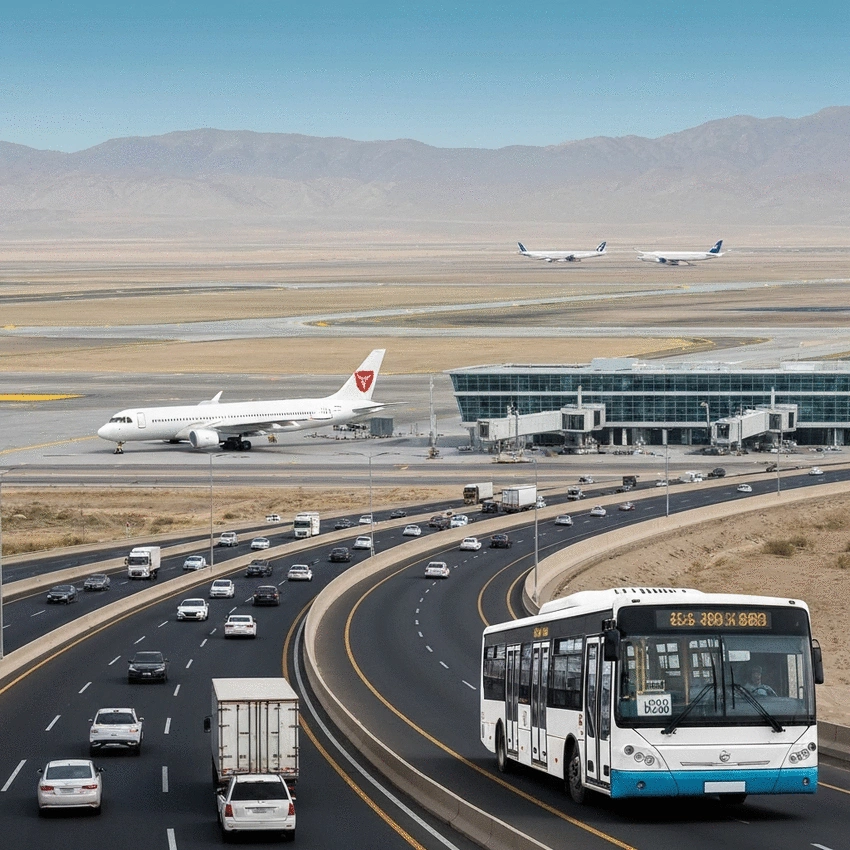
This visual outlines the key components and their impacts on connectivity and economic development within Afghanistan.
Transportation networks are the lifeblood of any country, and in Afghanistan, they play a vital role in driving economic development and enhancing connectivity among its diverse provinces. From bustling markets in Kabul to the serene landscapes of Bamiyan, effective transportation helps bridge cultural and geographical divides. Understanding the intricacies of Afghanistan's transportation landscape can reveal much about its unique heritage and the opportunities for growth.
As a passionate geographer, I have seen firsthand how these networks shape everyday lives. The roads we travel not only connect us physically but also foster social interactions and economic exchanges. Therefore, exploring the various transportation modes available in Afghanistan is essential for appreciating the country's rich tapestry of cultures and histories.
Afghanistan’s transportation infrastructure is diverse, comprising highways, airports, and public transit systems. Each of these components plays a critical role in ensuring that goods and people can move efficiently across regions. Given the rugged terrain and historical challenges, the ongoing development of this infrastructure is crucial for the overall progress of the nation. In fact, a detailed transport sector master plan outlines the strategic vision for enhancing connectivity and economic efficiency throughout the country.
In my travels, I have observed the transformative impact that improved infrastructure can have on communities. The continuous development of Afghanistan’s transport networks is not just about roads and airports; it’s about empowering people and fostering a sense of unity.
The primary modes of transportation in Afghanistan include highways, airports, and public transit. Each mode serves specific functions that contribute to the connectivity of provinces.
By leveraging these various modes of transportation, Afghanistan can enhance its overall connectivity and provide better access to essential services for its citizens. It’s exciting to think about how these developments can also attract tourists and researchers interested in exploring the country’s rich cultural landscape.
Regional connectivity significantly influences transportation efficiency and access across Afghanistan's provinces. Improved road networks and accessible airports facilitate better trade relations and tourism opportunities. As I've traveled through the provinces, I've witnessed the positive changes that come from enhanced connectivity. The development of railway plans also highlights a forward-looking approach to enhancing regional ties.
The ongoing commitment to improving regional connectivity can pave the way for a brighter future for Afghanistan. By investing in transportation infrastructure, we not only enhance our economic potential but also foster a greater understanding of the diverse cultures that make up this beautiful nation.
Highways are the veins of Afghanistan, connecting different provinces and facilitating the movement of people and goods. In a country characterized by rugged landscapes, these roads serve as vital arteries that support economic growth and regional integration.
As I traverse Afghanistan, I often find myself marveling at the landscapes they connect—from the bustling roads leading to Kabul to the scenic routes in provinces like Herat and Kandahar. The current state of our highways is a testament to both the challenges and triumphs of infrastructure development in Afghanistan.
The highways in Afghanistan can be divided into paved and unpaved roads, each with its own set of challenges and opportunities. The ongoing maintenance and upgrading of these roads are essential for improving safety and accessibility across the country.
It’s important to recognize the hard work that goes into developing and maintaining these highways. My experiences traveling along these routes remind me of the resilience of the Afghan people and their commitment to overcoming obstacles.
Several major highways contribute significantly to provincial connectivity in Afghanistan. Among them, the Ring Road stands out as a key route that links various provinces, enhancing trade and travel opportunities.
The impact of these highways extends beyond just transportation. They also serve as lifelines, fostering economic activity and cultural exchange among the provinces. Each journey along these roads is filled with stories that illustrate the rich history and potential of Afghanistan.
Highway 1, also known as the Ring Road, is perhaps the most important highway in Afghanistan. It creates a loop around the country and links major cities, making it essential for both domestic and international travel. The strategic importance of such infrastructure is underscored by discussions on Afghanistan's geopolitical positioning and its connectivity to broader regional networks.
As someone who has traveled extensively along Highway 1, I can attest to its role in shaping Afghanistan’s transportation landscape. Each city along the route offers a unique glimpse into the diverse cultures and histories that make up our nation.
As we explore Afghanistan's transportation landscape, we want to hear from you! Which mode of transportation do you believe has the most potential to transform the country's economy?
Transportation in Afghanistan serves as a crucial catalyst for economic growth, enhances connectivity among diverse provinces, and facilitates cultural exchange. It bridges geographical and cultural divides, supporting trade, access to essential services, and social interactions.
Afghanistan's transportation infrastructure primarily comprises highways, airports, and public transit systems. Highways are vital for linking cities and commerce, airports connect the country to international markets, and public transit improves urban mobility.
Improved regional connectivity through enhanced road networks and accessible airports significantly boosts trade opportunities, promotes tourism by increasing access to cultural and historical sites, and supports community development by improving access to education and healthcare services.
Highway 1, also known as the Ring Road, is considered the most important highway in Afghanistan. It forms a loop around the country, connecting major cities like Kabul, Kandahar, and Herat, which is essential for both domestic travel and international trade.
Future investment opportunities include upgrading existing highways, constructing new routes to improve accessibility, enhancing airport facilities to accommodate increased air traffic, and investing in public transit solutions to improve urban mobility and efficiency. These investments aim to bridge existing infrastructure gaps and foster sustainable development.
Collaborating with international development partners like the World Bank, ADB, and USAID is crucial for Afghanistan's transportation improvements. These partnerships provide vital funding for infrastructure projects, technical expertise in planning and execution, and capacity-building initiatives to develop local skills in transportation management, ensuring sustainable and impactful development.
In the past sections, we’ve explored the intricate web of transportation across Afghanistan, focusing on highways, airports, and public transit. Each component plays a vital role in connecting various provinces and enhancing economic growth. From the expansive Ring Road linking major cities to the bustling airports facilitating international travel, the transportation landscape is a dynamic framework essential for the country’s connectivity and development.
As we delve deeper into this summary, it's important to recognize how these elements interact and influence one another, creating opportunities for trade, travel, and cultural exchange. The current state of Afghanistan’s transportation is a mix of challenges and potential, where every improvement can make a significant impact.
Transportation infrastructure is the backbone of economic growth in Afghanistan. By enhancing roads, airports, and public transit systems, we can unlock a myriad of opportunities for local communities. Improving transportation leads to:
As I often reflect in my travels, the roads we take not only dictate our journey but also shape the very fabric of our economy. By investing in transportation, we pave the path toward a prosperous future for all Afghans.
Evaluating Afghanistan's transport corridors reveals both strengths and areas for improvement. Current corridors primarily focus on connecting major cities, but there’s significant potential to enhance these pathways further. Key aspects include:
By assessing these corridors, we can identify the opportunities that lie within them. As we envision the future of Afghanistan's transportation, it’s crucial to harness these potentials to create a more connected and economically vibrant nation.
Looking ahead, it’s essential to focus on bridging the infrastructure gaps that currently hinder transportation efficiency. Areas ripe for investment include:
These improvements are not just enhancements—they are lifelines for communities seeking access to resources and opportunities. Investing in Afghanistan’s transportation infrastructure is investing in the future.
To foster improvements in transportation, collaboration with international development partners is crucial. Organizations such as the World Bank, ADB, and USAID can provide valuable support through:
Engaging these partners not only brings in resources but also helps align Afghanistan's transportation goals with global best practices, ensuring sustainable and impactful development.
Finally, I encourage you to be a part of this journey towards enhancing Afghanistan's transportation system. Stay informed about ongoing projects, advocate for necessary changes, and share your insights and experiences. Transportation is not just about getting from one place to another; it’s about building bridges—between communities, cultures, and opportunities. Your engagement can pave the way for a brighter future!
Here is a quick recap of the important points discussed in the article:
By Khalid Rahimi / Sep 22
By Khalid Rahimi / Sep 13
By Khalid Rahimi / Sep 06