Afghan Culture: Poetry and Literature
By Khalid Rahimi / Oct 20
Understanding the intricate relationship between religion and culture is essential for appreciating the daily lives of Afghans. This article delves deep into how Islamic practices shape their identity and community dynamics, revealing valuable lessons that transcend geographical and cultural boundaries.
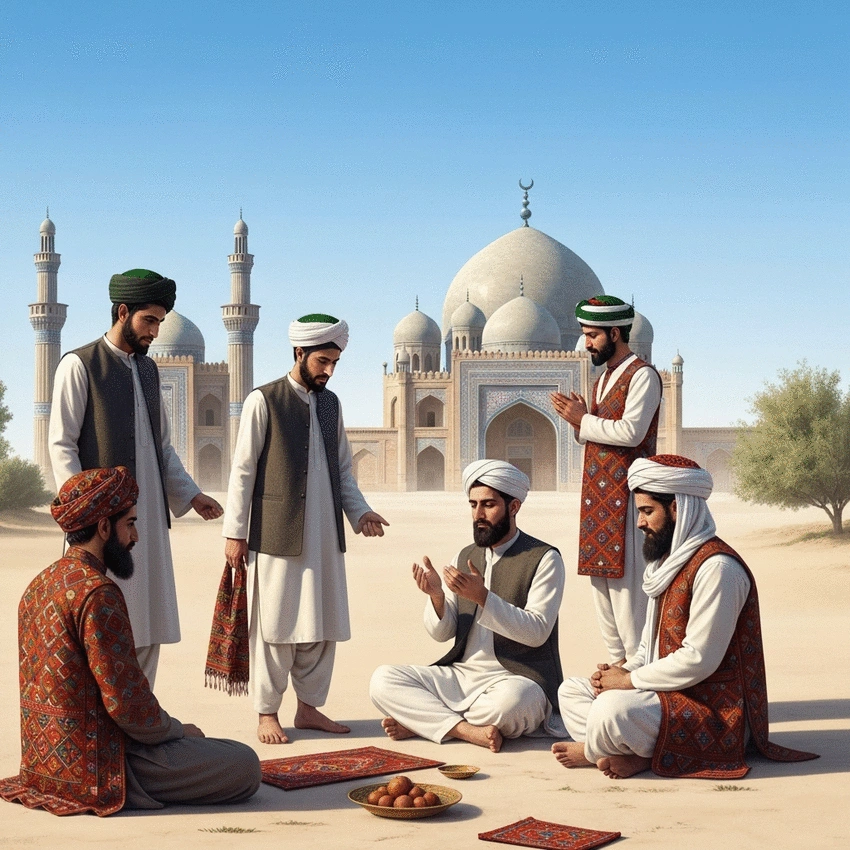
In Afghanistan, Islam serves as the central framework for daily life, encompassing various practices and traditions. It is vital to recognize the diverse religious landscape, particularly the prevalence of Sunni and Shia communities, and the influence of Sufism.
Islam shapes daily interactions, moral conduct, and identity, binding communities through Sharia, community prayers, and ethical teachings.
Daily prayers, fasting during Ramadan, and Zakat are fundamental rituals fostering discipline, empathy, and community spirit.
Afghanistan hosts a majority of Sunni Muslims, with a significant Shia presence, contributing to a rich cultural and religious tapestry.
Sufism, with its mystical approach, emphasizes love, tolerance, and unity, integrating poetry and music into Afghan cultural expressions.
Religion plays a pivotal role in shaping the everyday lives of Afghans, with Islam as the central framework of societal values, norms, and traditions. It influences everything from daily routines to community gatherings, resonating deeply in the hearts of its people. In the following sections, we will explore how Islam permeates various aspects of Afghan life, fostering a unique blend of spirituality and culture.
As a passionate geographer and cultural enthusiast, I’ve witnessed firsthand how these religious practices manifest in daily life, inviting visitors and locals alike to appreciate the profound connections between geography, culture, and spirituality in Afghanistan. For a broader overview of religion in Afghanistan, you can refer to insights from the Encyclopaedia Britannica on Afghanistan's religion.
At the heart of Afghan society, Islam serves not just as a religion but as a framework for daily life. It shapes interactions, informs moral conduct, and provides a sense of identity for millions. In Afghanistan, Islam is more than just beliefs; it embodies a way of life that binds communities together. The Cultural Atlas provides further details on Afghan culture and religion, highlighting this central role.
Through these practices, Afghans cultivate not only a personal relationship with the divine but also a communal bond that is visibly expressed in their social interactions.
Islamic principles are woven into the fabric of daily routines in Afghanistan. From the call to prayer that resonates throughout cities and villages to the observance of religious duties, it’s evident that Islam is integral to everyday life. Many Afghans begin and end their day with prayers, creating a rhythm that balances spirituality with their daily responsibilities.
This profound influence is particularly evident during important times such as Ramadan, where fasting and reflection become focal points of community life, enhancing collective strength and resilience.
Numerous Islamic practices guide the lives of Afghans, deeply ingraining these customs into their cultural identity. Some key practices include:
These practices not only cement the religious foundation of Afghan society but also foster a spirit of generosity and community, reflecting the nation's resilience and shared values.
Islamic rituals like fasting, prayer, and zakat are not just obligations; they are gateways to community connection and personal growth. Fasting during Ramadan teaches discipline, while the act of giving (zakat) nurtures empathy towards the less fortunate. These rituals create a landscape of spiritual engagement, shifting focus from individual experience to collective heritage.
Moreover, the prayers that punctuate the day serve as moments of pause, allowing individuals to reconnect with their faith and community. Understanding these rituals offers valuable insights into the spiritual heartbeat of Afghanistan.
Afghanistan is home to both Sunni and Shia Muslims, contributing to a rich tapestry of religious diversity. This duality reflects not only a broad spectrum of beliefs but also highlights the importance of mutual respect and understanding among different sects.
This diversity emphasizes the cultural complexity of Afghanistan, reminding us that its people navigate their faith within a challenging social landscape. The Library of Congress provides historical and cultural context on Afghanistan, including its religious composition.
The majority of Afghans identify as Sunni, while the Shia community, although smaller, has a significant presence. Each group brings unique traditions and perspectives to the cultural landscape. For example, the Shia observe different commemorations, such as Ashura, which emphasizes mourning and reflection.
Engaging with these diverse beliefs offers a more nuanced understanding of Afghan society, inviting a deeper appreciation for the interconnectedness of its people.
While Islam predominates, Afghanistan is also home to minority religions, including Sikhism, Hinduism, and Christianity. These communities, despite facing challenges, contribute to the rich diversity of Afghan culture. They provide a different lens through which to view the country, showcasing resilience in maintaining their traditions amidst a predominantly Islamic society.
The presence of these minority religions not only highlights the historical tapestry of Afghanistan but also calls for a broader dialogue about the importance of religious coexistence.
Sufism, known for its mystical approach to Islam, significantly influences Afghan spirituality. Its emphasis on love, tolerance, and unity resonates widely among Afghans. Sufi practices, such as poetry and music, have become integral to cultural expressions, allowing for a unique blend of faith and artistry.
Through Sufi teachings, many Afghans find a pathway to explore their spirituality, fostering connections with one another while enriching the cultural landscape of the nation.
When engaging with Afghan communities, take the time to learn about their religious practices and customs. Understanding the significance of rituals like Ramadan fasting or communal prayers can foster deeper connections and mutual respect. This cultural awareness not only enriches your experience but also shows genuine appreciation for their way of life.
As we delve deeper into the intricate connections between religion and culture in Afghanistan, it's fascinating to see how these elements weave together to create a rich tapestry that defines Afghan identity. Understanding the nuances of religious practices allows us to appreciate the diverse ways in which they influence daily life, community dynamics, and individual identities.
Religion is not just a belief system in Afghanistan; it is a fundamental aspect of social fabric, shaping everything from family structures to community values. The profound impact of these practices can be seen in the resilience and warmth of Afghan people, who share a collective identity that is deeply rooted in their faith.
In Afghanistan, the essence of cultural identity is intertwined with religious beliefs. Islam, as the predominant faith, offers a comprehensive framework that guides ethical conduct, social norms, and community interactions. This influence can be observed in various aspects of daily life, from the way people greet one another to how they celebrate life’s milestones.
By recognizing the significance of religion in Afghan identity, we can appreciate the unity it brings amidst diversity. Each individual embodies a story shaped by faith, tradition, and personal experience, contributing to Afghanistan's vibrant cultural landscape.
When interacting with Afghan communities, it’s crucial to appreciate the context of their religious practices. Understanding the cultural significance behind these practices can lead to deeper connections and respectful engagements. For instance, knowing the importance of prayer times, fasting during Ramadan, or the customs surrounding funerals can help outsiders navigate social situations more skillfully.
Each cultural interaction is an opportunity to learn and grow. The more we understand the context of these practices, the better we can contribute to positive exchanges and mutual respect.
Oral traditions and storytelling are at the heart of Afghan culture, serving as powerful tools for preserving history and sharing values. These narratives often intertwine religious themes with cultural teachings, providing insights into the collective memory of the Afghan people.
By engaging with these stories, we uncover not just the history of a people, but the essence of their shared identity and beliefs. It’s a reminder of the power of narratives in shaping cultures, bridging gaps, and fostering understanding across different backgrounds.
Here is a quick recap of the important points discussed in the article:
By Khalid Rahimi / Oct 20
By Khalid Rahimi / Oct 12
By Khalid Rahimi / Oct 03