Afghan Culture: Poetry and Literature
By Khalid Rahimi / Oct 20
What if every festival you attended was a window into the soul of a community? In Afghanistan, each celebration is not merely a gathering; it is a powerful testament to the nation's rich cultural tapestry. These vibrant events encapsulate stories of unity, resilience, and shared traditions that echo through time.
Afghan festivals are more than celebrations; they are cornerstones of cultural identity, community unity, and heritage preservation. The following highlights their key roles:
Festivals bring people together, fostering strong community ties and bridging gaps between ethnic groups.
They pass down traditions, stories, and customs to future generations, ensuring cultural continuity.
Festivals reflect the unique identities of various ethnic groups within Afghanistan, showcasing diversity.
Many celebrations hold religious significance, reinforcing spiritual beliefs and practices among the people.
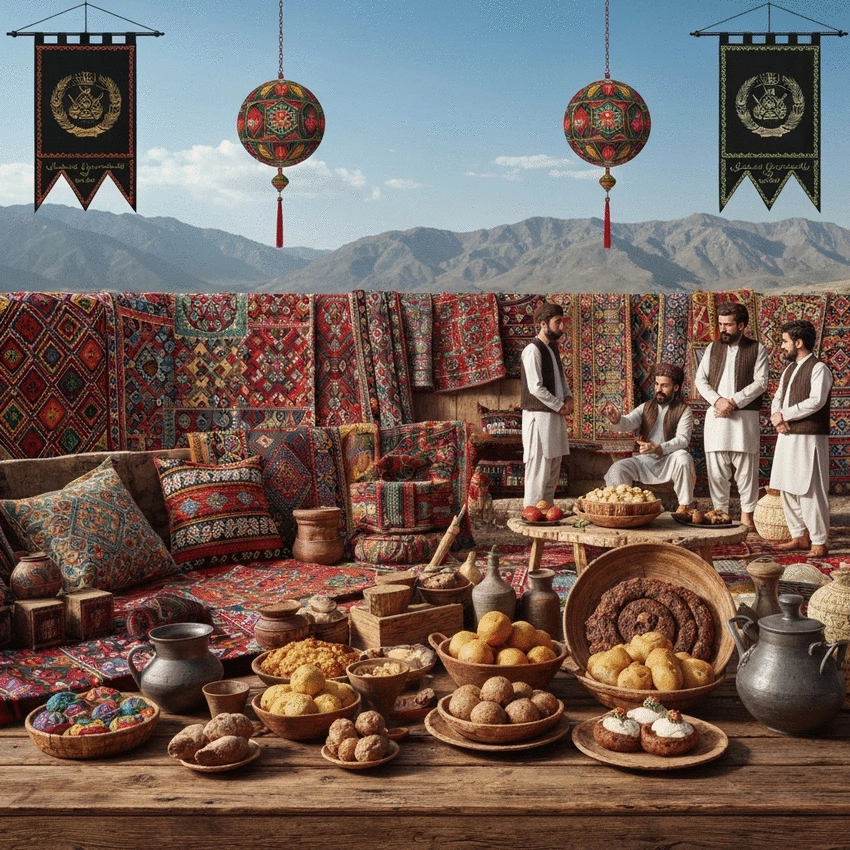
Afghanistan is a nation rich in cultural diversity, and this is beautifully reflected in its vibrant festivals and celebrations. Each festival is not just a date on the calendar; it embodies centuries of history, tradition, and community spirit. From Nowruz, the Afghan New Year, to religious observances, these cultural celebrations hold immense significance, offering a glimpse into the heart and soul of the Afghan people.
Festivals in Afghanistan are a way to unify communities, bridging gaps between various ethnic groups while honoring the rich tapestry of traditions that define them. Through these celebrations, people come together to share joy, stories, and their unique cultural heritage. At Afghanistan Map, we believe these festivities are essential for understanding the intricate connections between geography and culture within the country.
In Afghanistan, festivals serve as a vital part of cultural identity, showcasing how geography shapes the diverse lifestyles and traditions across provinces. Celebrations are often marked by traditional music, colorful attire, and joyous gatherings, which strengthen community bonds and promote cultural continuity. These events act as a reminder of the resilience and unity of the Afghan people throughout their storied history. For a broader understanding of how such events are recognized, you can learn more about Afghanistan's national holidays.
Here are some key reasons why festivals are significant in Afghan culture:
Throughout Afghanistan, festivals and holidays often share common themes that resonate deeply with the people. These themes include celebration of the seasons, the joy of family gatherings, and the observance of significant historical and religious events. Each festival carries its unique flavor, but they all converge on the idea of togetherness and joy. For a deeper dive into the historical context and various types of festivals, the Encyclopedia Iranica offers valuable insights into festivals in Iran and Afghanistan.
Some prominent themes seen in Afghan festivals are:
Through these themes, Afghan festivals become a living narrative of the country’s rich cultural heritage, inviting everyone to participate in the experience and appreciate the local traditions. It's an opportunity for travelers and locals alike to engage with the essence of Afghanistan’s diverse cultural landscape.
As we explore the vibrant world of Afghan festivals, we’d love to know your thoughts! Which festival has had the most impact on your understanding of Afghan culture? Share your insights below:
Here are some common questions about festivals and celebrations in Afghanistan:
As we gaze into the future of Afghanistan, the importance of cultural celebrations stands at the forefront of our national identity. Festivals are not just events; they are vital threads that weave our community together, highlighting our shared values and traditions. By honoring and participating in these festivals, we strengthen our bonds and foster a profound appreciation for our country’s rich cultural tapestry. For further insights into the cultural landscape, you can explore the cultural profile of Afghanistan.
With the ever-changing landscape of our society, it's essential to recognize the challenges we face in preserving these cultural celebrations. Economic fluctuations, political unrest, and even the effects of globalization can threaten the authenticity and continuity of our beloved traditions.
Festivals serve as a powerful reminder of our heritage and identity, acting as a unifying force for communities across Afghanistan. They allow us to celebrate our history while passing down traditions to future generations. Through these gatherings, we can:
As we navigate the future, leveraging our festivals as tools for education and understanding will be crucial. By actively participating in these events, we can ensure that our rich culture continues to thrive.
With every challenge, there lies an opportunity, especially regarding the preservation of our cultural celebrations. Though we face obstacles, there are innovative ways to keep our traditions alive:
By embracing these opportunities, we can uplift our communities and encourage participation across different demographics, ensuring that festivals remain vibrant and relevant.
Promoting cultural diversity is essential for the survival of our festivals. Each province has its unique way of celebrating, and these differences should be embraced and shared. By hosting joint events that feature diverse cultural practices, we can:
As we move forward, let’s strive to make our festivals a celebration of not just our differences, but also our shared humanity.
Here is a quick recap of the important points discussed in the article:
By Khalid Rahimi / Oct 20
By Khalid Rahimi / Oct 12
By Khalid Rahimi / Oct 03