Afghan Markets: Carpets and Crafts
By Khalid Rahimi / Sep 13
As we explore Afghanistan's provincial economies, it's essential to recognize the unique resources each region contributes. Did you know that agriculture, mining, and manufacturing are the primary sectors driving the country’s economic landscape? Let's uncover the valuable insights that can help us appreciate this rich tapestry.
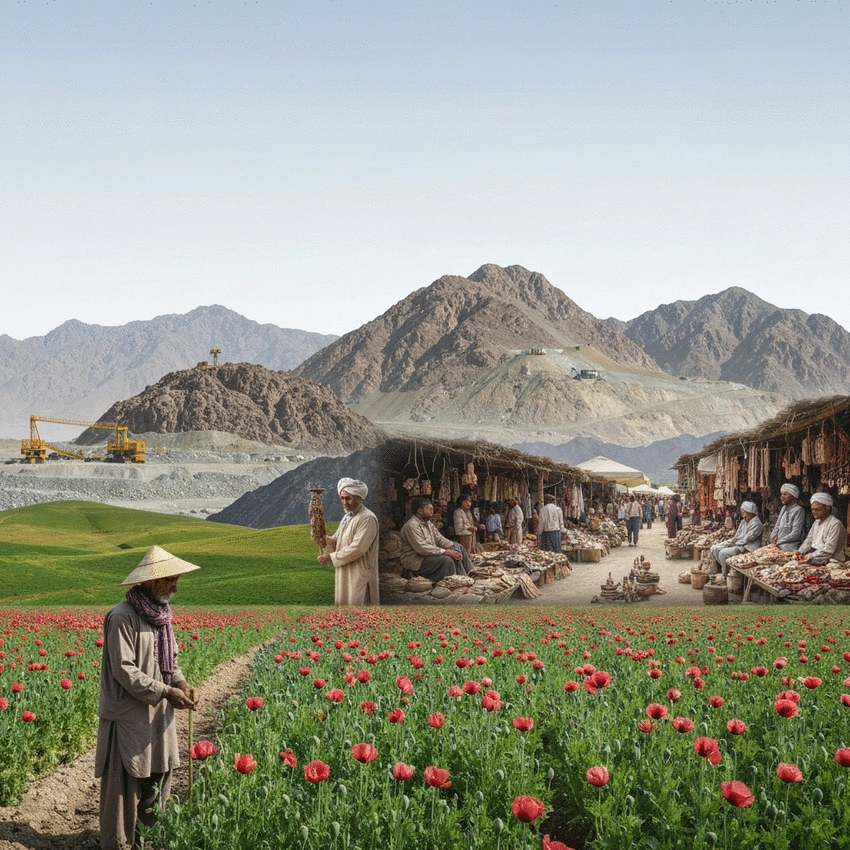
Each province in Afghanistan contributes uniquely to the national economy through agriculture, mining, and manufacturing. This visual highlights the key sectors and their regional specializations.
As we delve into the intricate tapestry of Afghanistan's economy, it’s essential to recognize the primary sectors that drive it forward. Agriculture, mining, and manufacturing serve as the backbone of economic activity across the provinces. Each sector contributes uniquely to the livelihoods of the Afghan people, reflecting a rich diversity in resources and cultural practices.
For many, agriculture is not just a profession; it’s a way of life. From the rolling fields of wheat to the bountiful orchards of fruit, these sectors highlight the resilience and hard work of Afghan farmers. Similarly, mining and manufacturing have begun to assert their importance, bringing new opportunities for economic growth.
Each of these sectors plays a crucial role in shaping provincial identity. For example, the vast agricultural lands in provinces like Nangarhar contribute to food security, while the mining operations in Logar and Ghazni tap into Afghanistan's mineral wealth. These industries not only support the local populace but also contribute to the national economy, as detailed in the Afghanistan's Growth Agenda report.
Provincial economies in Afghanistan are like the individual threads of a rich tapestry, each adding its unique color and texture to the national landscape. The interplay between these regional economies fosters a sense of unity and shared purpose, driving national growth. Economic activities in provinces can significantly influence the overall economic stability of the country.
By supporting local businesses and industries, we can ensure that Afghanistan's economic potential is realized. This regional focus cultivates resilience against external economic shocks and fosters sustainable development. Embracing this interconnectedness is vital for the future of Afghanistan's economy, a point often emphasized in analyses such as the Afghanistan Development Update.
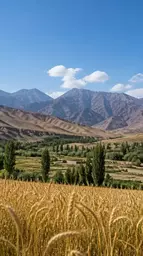
In every corner of Afghanistan, the land tells a story through its agricultural outputs. Major crops like wheat, fruits, and nuts not only feed families but also play a significant role in the economy. Each province boasts its specialties, reflecting the unique climatic conditions and cultural practices that shape agricultural production.
It’s fascinating to see how these crops not only sustain the local population but also create opportunities for export. Engaging with local farmers and learning about these crops can provide deeper insights into Afghanistan's agricultural landscape.
Among the diverse crops, certain regions have become renowned for their unique products. For instance, the citrus fruits of Nangarhar are celebrated for their sweetness, while the famous Bamyan potatoes are known for their quality and flavor. These regional specialties offer a glimpse into the agricultural diversity that Afghanistan has to offer.
Understanding these local products can enhance our appreciation for the hard work of farmers and the cultural significance of agriculture in Afghanistan. Each crop is not just a source of income; it’s part of the identity and heritage of the people.
Afghanistan is blessed with an abundance of natural resources, with mining emerging as a key player in the economic landscape. The potential for industries such as copper in Logar and lithium in Ghazni illustrates just how rich the country truly is. However, challenges remain, including infrastructural issues and the need for investments to harness these resources sustainably.
These minerals can significantly enhance the economic situation in Afghanistan, provided that proper measures are taken to manage and exploit them responsibly. Engaging with mining communities can shed light on both the potential and the hurdles they face. The Afghanistan Economic Monitor frequently discusses these critical aspects of resource management.
Estimates suggest that Afghanistan's untapped minerals could be worth trillions of dollars. This vast mineral wealth presents an incredible opportunity for economic development. However, realizing this potential requires overcoming significant challenges, including political instability and inadequate infrastructure.
By fostering partnerships and attracting foreign investment, Afghanistan can pave the way for a more prosperous future, leveraging its mineral resources for the benefit of all. The journey toward unlocking this wealth is crucial for the overall stability and growth of Afghanistan's economy.
Livestock farming and horticulture play essential roles in various provinces, contributing not only to food security but also to local livelihoods. Many Afghan families rely on livestock for sustenance and income, while horticulture provides a diverse array of products that enrich the local economy.
Recognizing the importance of these sectors is vital for understanding Afghanistan’s economic landscape. Support for livestock and horticulture can lead to sustainable growth, empowering families and communities across the country.
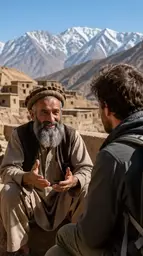
To truly appreciate Afghanistan's diverse agricultural landscape, consider connecting with local farmers during your travels. Engaging with them can provide invaluable insights into sustainable practices, local crops, and the cultural significance of their work. This not only enriches your experience but also supports the community directly!
The primary economic sectors driving Afghanistan's economy are agriculture, mining, and manufacturing. Agriculture is particularly vital, supporting the livelihoods of the majority of the population and ensuring food security.
Afghanistan is rich in various minerals, with copper (especially in Logar) and lithium (in Ghazni) being particularly significant due to their potential to boost the national economy. Gold and precious stones are also found across several provinces.
Regional economies are crucial for national growth as they foster unity, drive overall economic stability, and build resilience against external economic shocks. Supporting local businesses and industries helps realize Afghanistan's full economic potential.
Climate change poses a significant threat to Afghanistan's agricultural productivity, causing unpredictable rainfall and extreme temperatures. These shifts affect crop yields and livestock health, necessitating effective resource management and climate-resilience strategies.
Tourism holds immense potential for economic recovery in Afghanistan. Its breathtaking landscapes and rich cultural heritage can attract international travelers. Developing infrastructure, marketing unique destinations, and leveraging international partnerships are key to harnessing this potential.
As we look ahead, it’s essential to explore how we can foster sustainable development across Afghanistan’s diverse provinces. With the right strategies, we can enhance key industries and strengthen the economy. Here are some potential strategies that could pave the way for growth:
These strategies, if embraced, can lead to sustainable economic growth while respecting Afghanistan's unique cultural and geographical landscape. As I reflect on my journeys through this remarkable country, I see a wealth of potential just waiting to be harnessed!
Climate change poses a significant threat to Afghanistan’s agricultural productivity and resource management. The changing weather patterns can lead to unpredictable rainfall and extreme temperatures, affecting crop yields and livestock health. Farmers are feeling the pressures of these shifts, and it's crucial to address them with effective resource management strategies.
By addressing these climate challenges head-on, we can ensure that Afghanistan's rich agricultural legacy can thrive, even in the face of environmental change. It's about creating a legacy of resilience that will serve future generations!
The tourism sector in Afghanistan holds immense potential for economic recovery. With its breathtaking landscapes and vibrant cultures, Afghanistan can attract travelers eager to explore its wonders. To tap into this potential, a collaborative effort with international aid can play a pivotal role.
As I traverse the landscapes and meet the incredible people of Afghanistan, I can't help but envision a future where tourism becomes a cornerstone of local economies. It’s about sharing the stories and beauty of our homeland with the world while fostering respect and understanding!
Here is a quick recap of the important points discussed in the article:
By Khalid Rahimi / Sep 13
By Khalid Rahimi / Sep 06
By Khalid Rahimi / Sep 02