Afghanistan's Healthcare: Systems and Challenges
As Afghanistan's Healthcare Landscape Continues to Evolve
As Afghanistan's healthcare landscape continues to evolve, understanding its intricate challenges becomes more crucial than ever. The journey from reform to crisis illustrates the resilience of its people and systems. Here are key insights that illuminate the complexities of healthcare in this unique environment.
What You Will Learn
- The healthcare system in Afghanistan comprises public hospitals, private clinics, health posts, and community health workers, each playing a vital role.
- Reforms initiated in the early 2000s significantly improved healthcare access, but the 2021 political crisis disrupted many of these advancements.
- Key systemic challenges include security concerns, funding shortages, workforce issues, and infrastructure gaps that affect healthcare delivery.
- Health education and community outreach initiatives are essential for empowering rural populations and promoting better health outcomes.
Challenges and Initiatives in Afghanistan’s Provincial Healthcare
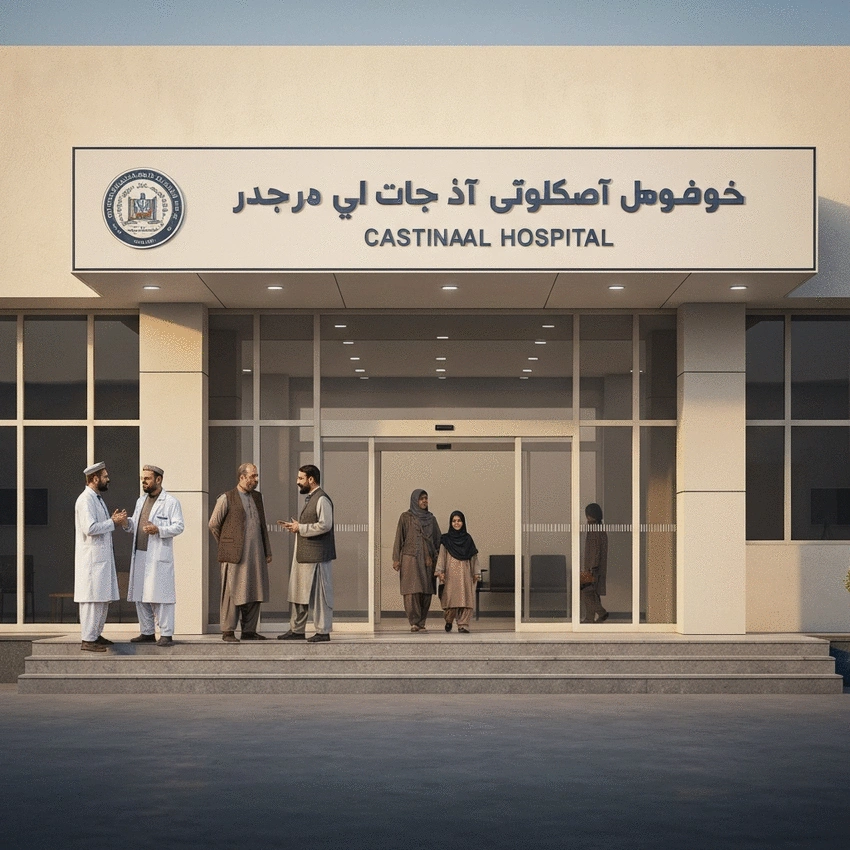
The healthcare landscape in Afghanistan is shaped by a complex interplay of factors, including historical reforms, ongoing instability, and critical systemic challenges. The visual below highlights key components of the healthcare delivery system and the urgent issues requiring attention to improve health outcomes across the provinces.
Structure of Healthcare Delivery
-
•
Public Hospitals: Central to services.
-
•
Private Clinics: Options for those who can afford.
-
•
Health Posts: Vital for rural areas.
-
•
Community Health Workers: Outreach and education.
Systemic Challenges for Improvement
-
•
Security Concerns: Instability impacts access.
-
•
Funding Shortages: Facilities lack resources.
-
•
Workforce Issues: Shortage of professionals.
-
•
Infrastructure Gaps: Lack of essential facilities.
Significance of Health Education
-
•
Community Health Worker Programs: Boost rural care.
-
•
Health Awareness Campaigns: Educate on prevention.
-
•
Partnerships with NGOs: Enhance initiative reach.
Historical Context & Impact
-
•
2000s Reforms: Aimed at rebuilding infrastructure.
-
•
Focus: Expand access, establish services, train workers.
-
•
2021 Crisis: Major setback, system collapse in provinces.
-
•
Impact: Exacerbated existing challenges, created new hurdles.
Understanding Afghanistan’s Healthcare Landscape: An Overview
Afghanistan’s healthcare system has undergone significant transformations, particularly since 2002. Following years of conflict and instability, the country embarked on a journey of reform and revitalization. By 2021, however, the resurgence of the Taliban presented new challenges, prompting a closer examination of how these shifts have shaped healthcare access and delivery across the nation.
As a geographer and cultural enthusiast, I believe understanding this landscape is crucial. The intertwining of geography and healthcare reveals insights into how different regions experience various health services, often depending on their unique contexts and histories.
Historical Context: From 2002 Reforms to the 2021 Crisis
In the early 2000s, rebounding from decades of war, Afghanistan initiated a series of healthcare reforms aimed at rebuilding its infrastructure. These reforms focused on expanding healthcare access, establishing essential services, and training health workers. Unfortunately, the developments faced a major setback with the 2021 political crisis, which led to a collapse in many healthcare systems across the provinces. The Human Rights Watch report "A Disaster in the Foreseeable Future" further details the impact of this crisis on Afghanistan's healthcare system.
This crisis has left a lasting impact on the healthcare landscape, exacerbating existing challenges and creating new hurdles for both patients and providers. The journey from reform to crisis is not just a timeline; it reflects the resilience and adaptability of the Afghan people during tumultuous times.
The Structure of Healthcare Delivery: Key Components Explained
The healthcare system in Afghanistan consists of a variety of components working together to provide services. Understanding these components can help illuminate the complexities of healthcare access. Here are the key elements:
- Public Hospitals: These are central to the healthcare delivery system, providing a wide range of services.
- Private Clinics: Offering options for those who can afford them, these clinics often have shorter waiting times.
- Health Posts: Located in rural areas, they provide basic healthcare services and are vital for remote communities.
- Community Health Workers: These individuals play a crucial role in outreach and education, especially in underserved regions.
Each component serves a specific purpose, highlighting the diverse ways that healthcare is delivered across Afghanistan. These systems often face significant challenges but also show remarkable resilience in adapting to the needs of the population.
Role of the Ministry of Public Health in Shaping Healthcare Policies
The Ministry of Public Health has been a pivotal player in shaping Afghanistan's healthcare policies. Its role involves setting health objectives, regulating healthcare delivery, and coordinating with various stakeholders. Through strategic initiatives, the Ministry aims to improve healthcare accessibility and quality throughout the provinces. The WHO's programs in Afghanistan highlight ongoing efforts to strengthen health systems.
The ongoing engagement of the Ministry is essential for navigating the complexities introduced by both past reforms and recent political changes. As we reflect on these dynamics, we can gain a clearer vision of what the future might hold for Afghanistan's healthcare system and its inhabitants.
Frequently Asked Questions about Afghanistan's Healthcare
- What are the main components of Afghanistan's healthcare delivery system?
- The healthcare system includes public hospitals, private clinics, health posts, and community health workers, all working to provide services across the country.
- How did the 2002 reforms impact healthcare in Afghanistan?
- The reforms initiated in the early 2000s aimed at rebuilding infrastructure, expanding healthcare access, establishing essential services, and training health workers after decades of conflict.
- What challenges did the 2021 political crisis pose for healthcare in Afghanistan?
- The 2021 political crisis led to a major setback, causing a collapse in many healthcare systems across the provinces and exacerbating existing challenges for patients and providers.
- What are the key systemic challenges affecting healthcare delivery in Afghanistan?
- Critical issues include security concerns, funding shortages, a lack of trained healthcare professionals (workforce issues), and insufficient infrastructure in many regions.
- Why is health education important for improving health outcomes in Afghanistan?
- Health education empowers communities, especially in rural areas, by enabling people to make informed decisions about their health, promoting preventive measures, and improving overall health outcomes.
- What is the role of the Ministry of Public Health in Afghanistan's healthcare system?
- The Ministry of Public Health is crucial for setting health objectives, regulating healthcare delivery, and coordinating with stakeholders to improve healthcare accessibility and quality throughout the provinces.
We Want to Hear From You!
In considering the future of healthcare in Afghanistan, we would love to know your thoughts. What do you believe is the most pressing challenge facing the healthcare system today? Share your insights below:
Summarizing Key Insights on Afghanistan’s Provincial Healthcare Systems
As we delve into the complexities of Afghanistan's provincial healthcare systems, it's vital to recognize the pressing challenges that need our attention. The healthcare landscape in Afghanistan is shaped by various factors including geography, economics, and sociopolitical elements. Addressing these systemic challenges is not just crucial for improvement but also essential for ensuring that every Afghan has access to quality healthcare services.
In my journey of exploring the rich tapestry of Afghanistan’s culture, I’ve noticed that healthcare is not just a service; it’s a right that can transform lives. The importance of a robust healthcare system can't be overstated. It fuels the potential for healthier communities and promotes resilience in times of crisis.
The Importance of Addressing Systemic Challenges for Improvement
To enhance the effectiveness of healthcare delivery in the provinces, we must tackle several systemic challenges head-on. Here are some critical issues that require immediate focus:
- Security Concerns: Ongoing political instability has a direct impact on healthcare access.
- Funding Shortages: Many healthcare facilities struggle to operate efficiently due to lack of financial resources. This is a critical factor highlighted in research on Afghanistan's health system during crises.
- Workforce Issues: A shortage of trained healthcare professionals, particularly in rural areas, hinders service delivery.
- Infrastructure Gaps: Many regions lack the necessary healthcare infrastructure to provide essential services.
By addressing these challenges, we can pave the way for significant improvements in the healthcare landscape. It’s a journey that requires collaboration and commitment from all sectors of society.
Significance of Health Education and Rural Health Initiatives
Health education plays a crucial role in empowering communities, especially in rural areas where resources may be scarce. When people are educated about health practices, they can make informed decisions that lead to better health outcomes. Here are some key initiatives that can be undertaken:
- Community Health Worker Programs: Training local health workers can increase access to care in remote areas.
- Health Awareness Campaigns: These can educate the public on preventive measures and available healthcare services.
- Partnerships with NGOs: Collaborating with non-governmental organizations can enhance the reach and effectiveness of health initiatives.
As we consider the future of healthcare in Afghanistan, focusing on education and grassroots initiatives is vital. It ensures that healthcare systems not only exist but thrive, ultimately leading to healthier communities across the provinces.
Recap of Key Points
Here is a quick recap of the important points discussed in the article:
- Afghanistan's healthcare system has transformed since 2002, focusing on reform and revitalization.
- The 2021 political crisis has posed new challenges, impacting healthcare access and delivery.
- Key components of healthcare delivery include public hospitals, private clinics, health posts, and community health workers.
- The Ministry of Public Health plays a crucial role in shaping and coordinating healthcare policies.
- Addressing systemic challenges such as security concerns, funding shortages, and workforce issues is essential for improvement.
- Health education and rural health initiatives are vital for empowering communities and enhancing health outcomes.