Travel Mindfully: Support Afghan Communities
By Khalid Rahimi / Oct 03
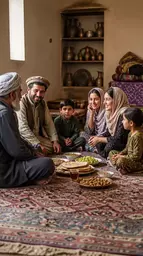
As we journey through the intricate world of Afghan handicrafts, consider the profound stories embedded within each piece. These crafts are not merely objects; they are vessels of culture, tradition, and community resilience. What lessons can we glean from their preservation?
Safeguarding Afghan handicrafts involves a multi-faceted approach, emphasizing cultural identity, community engagement, and strategic partnerships. Below are key areas illustrating this preservation process.
Preserving Afghan handicrafts is not just about maintaining artistic skills; it’s about protecting a vital part of our cultural identity. The intricate designs and techniques used in these crafts tell stories that link us to our past, our communities, and our heritage. Each piece is a testament to the resilience and creativity of Afghan artisans, and safeguarding these works ensures that future generations can appreciate and learn from them.
As I explore the rich heritage of Afghanistan through my blog, Afghanistan Map, I often reflect on how critical it is to recognize the role of these crafts in shaping our national identity. They offer a glimpse into our history and the diverse cultures that thrive within our borders. By preserving them, we honor the traditions and the people who have kept them alive for centuries! The Smithsonian's collections also highlight the profound historical significance of these crafts.
Cultural heritage is the lifeblood of Afghanistan. It binds us together, offering a sense of belonging and continuity. From the vibrant colors of our traditional textiles to the intricate patterns of pottery, each craft reflects our shared values and experiences. Understanding this connection fosters a deeper appreciation for what it means to be Afghan. The Artistic Freedom Initiative further emphasizes the importance of preserving cultural expressions like these crafts.
As we support these artisans, we also nurture the cultural narratives that define us. It’s a cycle of respect and recognition that empowers communities across Afghanistan.
Safeguarding our heritage involves a commitment to both the physical and spiritual aspects of our crafts. It’s about creating an environment where traditional skills can thrive alongside modern influences. This approach ensures that artisans not only survive but flourish, allowing them to pass their knowledge onto the next generation. The Afghanistan Foundation's work underscores ongoing efforts to support Afghan craft and artistry.
Each effort contributes to a larger mission of cultural preservation, enabling us to celebrate our rich heritage while adapting to contemporary challenges!
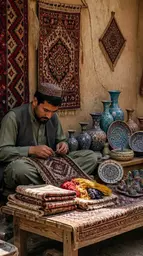
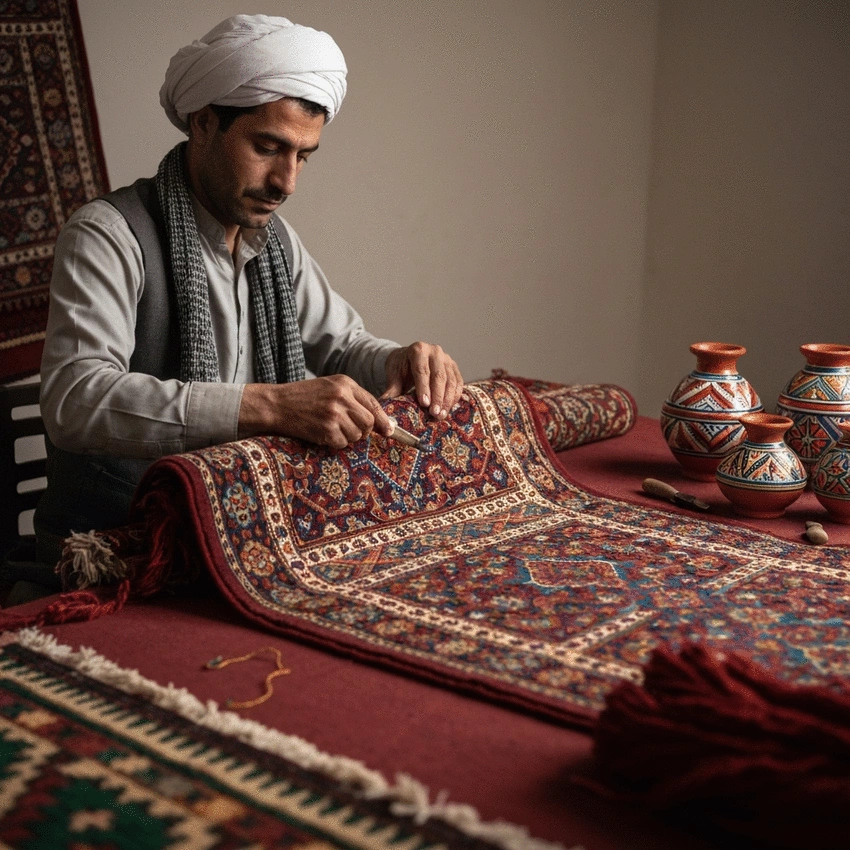
Afghanistan is a treasure trove of diverse handicrafts, each representing unique regional characteristics. From the stunning handwoven carpets of Kabul to the beautifully crafted pottery of Herat, the variety is astonishing. These items serve not only as functional objects but also as expressions of artistry and cultural pride.
Exploring these crafts is like taking a journey through Afghanistan’s cultural landscape. Each handmade item encapsulates the stories, struggles, and triumphs of its creator, inviting us to appreciate the artistry behind them!
What aspect of Afghan handicrafts resonates with you the most? Share your thoughts below:
Preserving Afghan handicrafts is crucial because these crafts are vital vessels of culture, tradition, and community resilience. They protect cultural identity, tell ancestral stories, and contribute to local economies, ensuring that future generations can appreciate and learn from them.
Cultural heritage is considered the lifeblood of Afghanistan. It binds communities together, offers a sense of belonging, and reflects shared values and experiences through vibrant textiles, intricate pottery, and other crafts, promoting unity and national identity.
Safeguarding Afghanistan's heritage involves a commitment to both the physical and spiritual aspects of its crafts. This includes implementing skill training programs, establishing artisan cooperatives, promoting cultural exchange initiatives, and creating an environment where traditional skills can thrive and be passed on.
Afghan handicrafts are incredibly diverse, featuring handwoven carpets, textiles with vivid colors and intricate designs, pottery showcasing centuries-old techniques (especially from regions like Herat and Balkh), and jewelry that blends traditional and modern influences.
Collaborations between NGOs and local artisans are essential for skill development, adapting traditional techniques to contemporary demands, and providing access to both local and international markets. These partnerships also offer crucial funding and resources to support artisans and ensure the sustainability of their crafts.
Community engagement fosters a sense of ownership and pride in traditions. It involves educating younger generations, organizing events and workshops for hands-on learning, and strengthening local economies through craft fairs and tourism, all of which ignite passion for preserving cultural heritage.
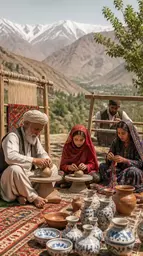
Future generations are empowered through craft workshops and educational programs where they learn traditional techniques, develop business skills to promote their work, and connect with experienced mentors. These initiatives ensure the continuation and adaptation of Afghan handicrafts for years to come.
As we look toward the future of Afghan handicrafts, collaboration stands as a crucial pillar in preserving our rich cultural heritage. By fostering partnerships between NGOs and local artisans, we can create a robust support system that champions traditional craftsmanship while ensuring economic sustainability. This collaborative spirit not only uplifts artisans but also nurtures their skills and creativity, allowing them to thrive in a modern marketplace.
Engagement from various organizations provides essential resources, training, and exposure for Afghan artisans. These partnerships enable artisans to reach broader audiences, ensuring that the stunning pieces they create continue to tell the stories of their communities.
The collaboration between NGOs and local artisans is vital for the continued success and preservation of Afghan crafts. By leveraging resources and expertise, these partnerships can achieve remarkable outcomes. Here are some ways that these collaborations can flourish:
Through these collaborative efforts, we can empower artisans to not only preserve their craft but also adapt to changing market dynamics, ensuring that Afghan handicrafts continue to thrive.
Community engagement plays a pivotal role in preserving Afghanistan's cultural heritage. Encouraging local communities to actively participate in the preservation of their traditions fosters a sense of ownership and pride. By involving community members, we can:
When communities are engaged, the passion for preserving cultural heritage is ignited, leading to a brighter future for Afghan crafts.
To ensure that the rich tradition of Afghan handicrafts continues, it is essential to empower future generations. Craft workshops and educational programs serve as the foundation for passing down these invaluable skills. By participating in these initiatives, young artisans can:
As I reflect on my journey through Afghanistan's diverse landscapes, it becomes clear that these educational efforts are essential to keep the spirit of our culture alive. Together, we can nurture a new generation of artisans who will carry forward our heritage in a way that resonates with both local and global audiences.
Here is a quick recap of the important points discussed in the article:
By Khalid Rahimi / Oct 03
By Khalid Rahimi / Sep 26
By Khalid Rahimi / Sep 22