Afghan Culture's Impact on Families
By Khalid Rahimi / Sep 26
Language is not just a tool for communication; it is a vibrant reflection of cultural identity and social cohesion. In Afghanistan, a tapestry of languages exists, each telling its own story. Let's delve into the key insights that illuminate the linguistic landscape of this diverse nation.
An overview of the major languages and their prevalence across the country.
Spoken by approximately 50% of the population, Dari serves as the main language for administration and instruction.
50%
The language of the Pashtun people, spoken by roughly 35% of the population, primarily in the south and east.
35%
Mainly spoken in northern Afghanistan, reflecting strong cultural ties and local traditions.
~10%
These languages contribute to the cultural richness, preserving unique oral traditions and heritage.
~5%
Afghanistan is a land of immense linguistic diversity, where language plays a crucial role in daily life. The major languages of Afghanistan include Dari and Pashto, both of which serve as official languages. Dari, a variation of Persian, is predominantly spoken in the central and northern regions, while Pashto is the mother tongue of many in the south and east. These languages not only facilitate communication but also act as bridges connecting various communities across the nation. For a deeper understanding of communication norms, you can refer to the SBS Cultural Atlas on Afghan culture and communication.
When exploring the linguistic landscape, it’s fascinating to see how these languages embody the rich cultural heritage of Afghanistan. For instance, Dari is rich in poetry and literature, showcasing the country's artistic spirit, while Pashto reflects the resilient nature of its speakers, often through traditional songs and folklore. Detailed insights into Afghan cultural appreciation can be found in this cultural appreciation booklet.
In addition to Dari and Pashto, Afghanistan is home to several other languages that enrich its cultural fabric. Here’s a quick overview of the major languages spoken throughout the country:
This rich tapestry of languages highlights the cultural diversity that characterizes Afghanistan. Each language has its own unique dialects and nuances, which in turn influences local customs and practices.
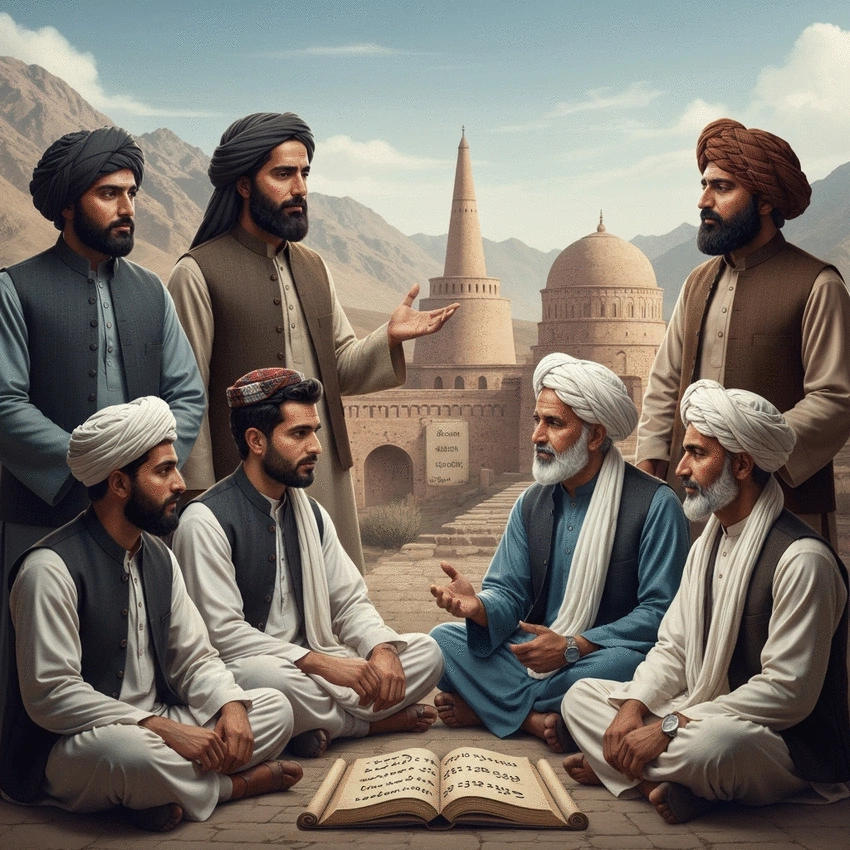
Languages in Afghanistan are more than mere tools for communication; they serve as vital markers of cultural identity. Each ethnic group proudly speaks its language, fostering a sense of belonging and unity. This cultural identity is essential, especially in a country with a rich history of diversity and interaction among various peoples.
Language promotes social cohesion by creating a sense of shared identity among speakers. For instance, during communal gatherings or festivals, the use of a specific language can enhance the feeling of togetherness, as it resonates deeply with the community's past and values. In this way, language becomes a powerful tool for cultural preservation and unity among Afghans. You can learn more about cultural understanding in the ISAF Cultural Understanding Booklet.
While Dari and Pashto are the official languages, Afghanistan's linguistic landscape is dotted with numerous regional dialects that play a crucial role in local customs and traditions. These dialects often reflect the unique histories and lifestyles of the communities that speak them, adding depth to the overall cultural experience.
Understanding these dialects helps appreciate the diverse social fabric of the country. For instance, the dialects spoken in the remote areas of Bamyan differ significantly from those in Kabul, showcasing the regional variations in accents, vocabulary, and expressions.
Minority languages in Afghanistan contribute significantly to the cultural richness of the country. Here are some notable examples:
These minority languages are not just communication tools; they also preserve local customs and traditions that might otherwise fade away. By celebrating these dialects, we honor the rich cultural tapestry of Afghanistan.
The impact of gender on language use in Afghanistan is profound. Cultural practices often shape how men and women communicate, influencing their dialect usage and language preferences. For example, women in rural areas may primarily use local dialects, while men might switch to Dari or Pashto for broader communication.
This distinction is important as it highlights the gender dynamics at play within Afghan society. Understanding these nuances can significantly improve communication and foster greater respect among different communities.
To truly appreciate the linguistic diversity of Afghanistan, consider immersing yourself in the local dialects. Engaging with community members and learning key phrases in Dari or Pashto can deepen your understanding of their culture and foster connections that transcend language barriers. This not only enriches your travel experience but also honors the heritage of the Afghan people.
Language is more than just a means of communication; it serves as a vital thread that weaves the rich tapestry of Afghan cultural identity. At Afghanistan Map, we deeply appreciate how the various languages and dialects not only reflect the diversity of this beautiful country but also play a crucial role in preserving traditions and fostering social bonds among its people. The interconnection between language and culture enriches the Afghan experience, making it essential to recognize and celebrate this diversity.
By embracing and preserving these languages, we ensure that the stories and traditions of Afghanistan are not lost. As a cultural enthusiast, I believe that understanding these nuances empowers us to appreciate the profound history and diverse identities woven into Afghan society.
At Afghanistan Map, we invite you to become a part of this vibrant journey. Your insights and experiences regarding Afghan languages and cultures can help foster a community rich in understanding and appreciation. Have you connected with Afghan communities? What stories do you have to share about the languages you encountered? Let's create a dialogue that highlights our collective appreciation of Afghanistan's rich heritage!
By opening this conversation, we can create connections that honor the unique cultural landscape of Afghanistan and strengthen our shared commitment to preserving its linguistic diversity. Your voice matters, so let's celebrate together!
Here is a quick recap of the important points discussed in the article:
By Khalid Rahimi / Sep 26
By Khalid Rahimi / Sep 22
By Khalid Rahimi / Sep 13