
Conserving Afghanistan's Endangered Wildlife
By Khalid Rahimi / Oct 12
As globalization reshapes our world, understanding the daily life rituals in Afghan culture offers a unique lens into their rich heritage. These practices not only connect families but also preserve a profound sense of identity. What can we learn from Afghan rituals that resonate across cultures?
The following visual outlines the core aspects and benefits of daily life rituals within Afghan families, highlighting their significance in cultural preservation and community building.
Afghan culture is a rich tapestry woven from centuries of history, tradition, and family values. At the heart of this culture lies a deep appreciation for daily life rituals, which play a vital role in shaping the identity of Afghan families. These rituals not only define how families interact but also foster a sense of belonging and shared heritage that resonates through generations.
As we explore the daily life rituals of Afghan families, it's essential to understand how these practices reflect their values. Family is often considered the cornerstone of Afghan society, where respect, hospitality, and loyalty are paramount. By examining these rituals closely, we can appreciate how they uphold cultural identity and maintain connections within communities.
When we think about Afghan culture, the first thing that comes to mind is the importance placed on family. Afghan families tend to be close-knit, with various generations often living under one roof. This setup allows for a rich exchange of traditions and knowledge, fostering a deep-rooted sense of identity. The family unit provides emotional support, guidance, and a strong foundation for the younger generations to build upon.
As I’ve traveled through Afghanistan, it’s clear that these values are not just spoken—they are lived out daily. They shape interactions, influence decision-making, and create a vibrant community fabric that draws people together.
Daily rituals serve as a bridge connecting the past with the present, reinforcing cultural identity among Afghan families. Engaging in these rituals—whether it's sharing meals, performing prayers, or celebrating festivals—helps families maintain their unique heritage amidst a rapidly changing world. To understand how these rituals impact well-being and identity, a study published in PLOS Global Public Health examined the mental health of Afghan women, highlighting the cultural context of their daily lives.
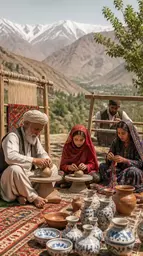
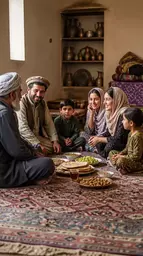
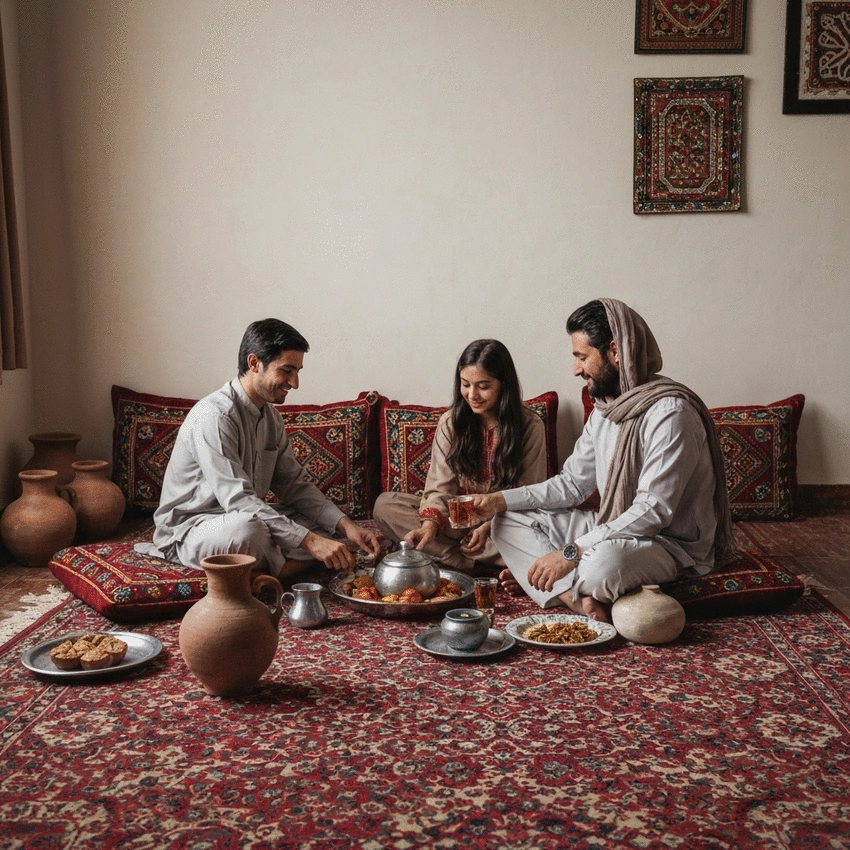
Through rituals, families pass down stories, values, and practices that define their cultural identity. For instance, the act of gathering for meals not only nourishes the body but also fortifies family bonds and reminds everyone of their shared lineage. In my experiences, witnessing these moments reinforces how vital they are in preserving the essence of Afghan culture. The importance of these cultural practices is also emphasized by organizations like Malala.org, which sheds light on how daily life has changed for Afghan women under new edicts, further underscoring the deep impact of cultural shifts.
In essence, daily life rituals are not mere practices; they are vital expressions of Afghan culture that echo the resilience and unity of its people. As we explore specific daily rituals in Afghan families, we’ll uncover how they influence every aspect of life, enriching the experiences of those who partake in them.
Daily rituals in Afghan family life encompass a variety of practices that reveal much about cultural values and social dynamics. These rituals, from shared meals to reverence for elders, help define the essence of family life in Afghanistan.
Understanding these practices allows us to appreciate how they contribute to the unique cultural tapestry of the nation. In the following sections, we will delve into specific rituals that hold significance in Afghan households, exploring their meanings and the values they convey.
Here are some common questions about daily life rituals in Afghan families, providing further clarity on key aspects discussed:
How do you perceive the daily life rituals of Afghan families? Share your thoughts below:
As we explore the rich tapestry of Afghan life, it's clear that daily rituals play a crucial role in shaping cultural identity and family bonds. These practices aren't just routine; they are the essence of how Afghan families connect with one another and their heritage. Understanding these rituals helps foster a deeper appreciation for the values that define Afghan culture.
From communal meals to honoring elders, these daily activities reflect a blend of respect, unity, and tradition. They serve as a reminder of the strength of family ties and the significance of shared experiences. Moreover, these rituals provide a foundation for instilling values in the younger generations, linking them to their cultural roots. The enduring significance of these traditions is further supported by research, such as an article available on PubMed, which discusses the social and cultural aspects of Afghan communities.
Afghan cultural practices are not merely relics of the past; they are living traditions that adapt while remaining deeply rooted in history. Here are some enduring aspects of Afghan daily life rituals:
These practices offer insight into the values that Afghan families hold dear, illustrating how they navigate the complexities of modern life while remaining anchored to their traditions.
As globalization continues to shape our world, understanding daily life rituals in Afghan culture is key to fostering cross-cultural respect and empathy. By engaging with these customs, visitors can appreciate the profound meanings behind each ritual. Here are a few ways to embrace this understanding:
By immersing ourselves in the daily life rituals of Afghan families, we contribute to a more harmonious world where cultural differences are celebrated rather than overlooked. As we learn from each other, we pave the way for mutual respect and understanding.
When visiting or interacting with Afghan families, it's essential to approach their culture with an open heart and mind. Here are some practical tips to help you navigate cultural interactions:
These practices will not only enhance your experience but also foster goodwill among Afghan families.
For those looking to delve deeper into Afghan culture and daily life rituals, there are many resources available. Here are a few that I recommend:
By engaging with these resources, you can enrich your understanding of Afghanistan's diverse heritage and contribute positively to the cultural dialogue.
Here is a quick recap of the important points discussed in the article:
By Khalid Rahimi / Oct 12
By Khalid Rahimi / Oct 03
By Khalid Rahimi / Sep 26