
Conserving Afghanistan's Endangered Wildlife
By Khalid Rahimi / Oct 12
As you delve into the world of Afghan cuisine, you'll uncover a tapestry of flavors, traditions, and stories that define this rich culinary landscape. The journey through each dish offers not just nourishment but a glimpse into the heart of Afghan culture.
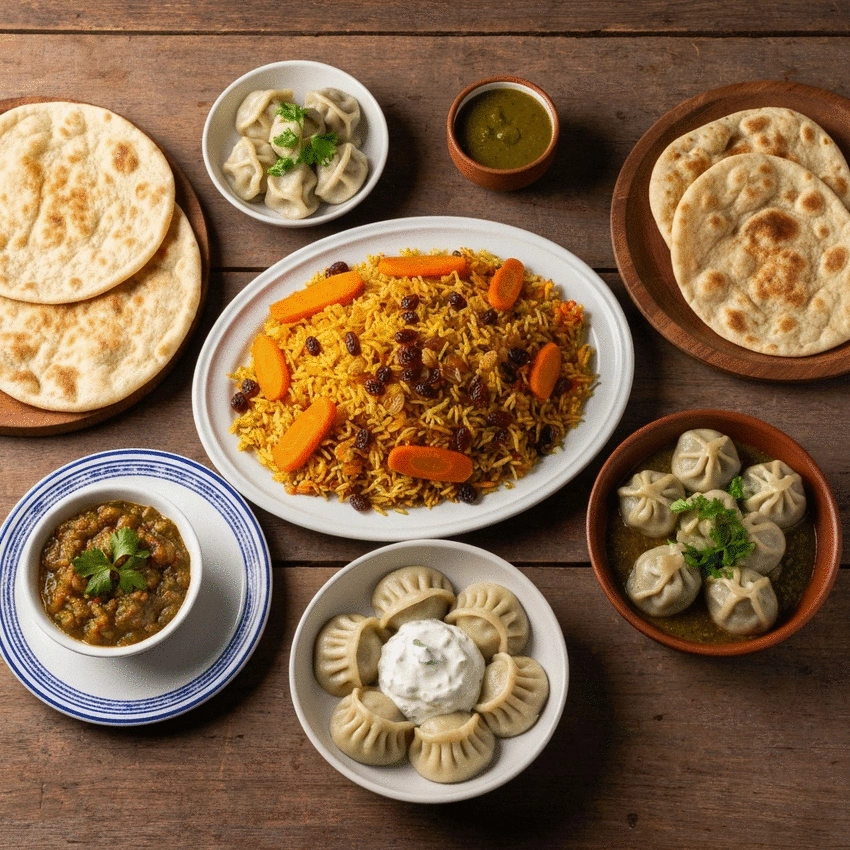
Afghan cuisine is characterized by its communal eating, staple ingredients, and aromatic spices. The visual below highlights these core components, reflecting the rich culinary traditions and flavors that define Afghan food culture.
Tradition & Connection
Agricultural Staples
Aromatic & Complex
Must-Try Delicacies
Afghan cuisine is a vibrant tapestry woven from centuries of history, culture, and tradition. The richness of Afghan food culture reflects the diverse landscapes and communities that make up this beautiful nation. From the bustling bazaars of Kabul to the serene countryside of Bamyan, every meal tells a story—of resilience, hospitality, and the deep connection between the people and their land. As a passionate geographer and cultural enthusiast, I invite you to explore the heart of this cuisine and discover its significance in everyday life.
Each dish serves not just as nourishment but as a celebration of heritage. In Afghanistan, sharing food is a way to foster relationships and express kindness. It’s fascinating how food embodies the stories and experiences of the Afghan people, making each bite a meaningful journey. For more in-depth information, you can refer to this comprehensive resource on Afghan cuisine on Wikipedia.
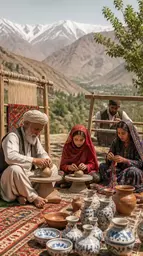
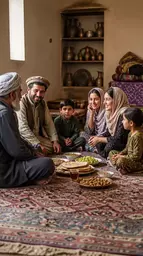
At its core, Afghan food culture is about communal experiences and the celebration of flavors. Traditional cooking methods, often passed down through generations, play a crucial role in preserving these culinary practices. Ingredients are sourced from local markets, emphasizing the connection between the land and the plate. Family gatherings, weddings, and festivals often feature elaborate spreads showcasing the best of Afghan cuisine, inviting everyone to partake in the bounty. These traditions highlight the profound cultural importance of dining, as discussed further in resources like Britannica's overview of Afghan cuisine.
Such practices highlight not only the flavors but also the cultural importance of hospitality in Afghan society. By understanding these customs, travelers can appreciate the deeper meanings behind Afghan cuisine.
The foundation of Afghan cuisine lies in its key ingredients, many of which are staples that define the flavor profiles of beloved dishes. Rice is a primary component, often featured in various forms like the celebrated Kabuli Pulao, a dish central to many Afghan celebrations. Additionally, lamb and chicken are commonly used, showcasing the influence of the pastoral lifestyle in many regions of Afghanistan. The emphasis on rice, for instance, is a testament to its role as a staple, as detailed in articles discussing Afghan rice dishes and their Silk Road connections.
Understanding these ingredients will enhance your appreciation of Afghan dishes as they reflect the country’s agricultural traditions and the climate of the regions they come from.
Spices play a pivotal role in Afghan cooking, transforming simple ingredients into a feast for the senses. Afghan cuisine is renowned for its diverse spice palette that brings warmth and complexity to dishes. Common spices such as turmeric, cinnamon, and black pepper are hallmarks of the Afghan flavor profile, contributing to the unique taste that defines this cuisine.
Each spice is carefully chosen to balance flavors, making every meal an exploration of taste and tradition. As you delve into Afghan cuisine, you’ll discover how these spices tell the story of the land and its people, inviting you to embrace the culinary journey ahead.
Afghan cuisine is not just about food; it's a reflection of the country's rich history and diverse cultures. According to a recent study, over 80% of Afghan dishes are influenced by the unique geographical regions of the country, showcasing a blend of flavors and techniques that have evolved over centuries.
Afghan cuisine is characterized by its emphasis on communal eating, staple ingredients like rice, lamb, and seasonal vegetables, and a unique blend of aromatic spices such as turmeric, cinnamon, and cumin.
Communal dining is central to Afghan food culture as it fosters a sense of community, promotes hospitality, and serves as a way to build and strengthen relationships. Meals are often shared on carpets or mats with a variety of dishes.
Key ingredients include rice (often used in dishes like Kabuli Pulao), lamb and chicken, fresh herbs (cilantro, mint), and a range of spices such as cumin, coriander, and cardamom.
Essential spices include turmeric for its earthy flavor and color, cinnamon for sweetness and depth, cumin for a nutty and warm taste, and black pepper for heat and aroma.
Travelers should try Kabuli Pulao (a celebratory rice dish), Mantu (meat dumplings), Ashak (leek dumplings), Shorwa (hearty soups), and Dizi (slow-cooked lamb served with bread).
As we wrap up our culinary journey through Afghan cuisine, it’s important to highlight the key dishes and regional flavors that await you. From the rich, aromatic Kabuli Pulao to the delightful dumplings of Mantu and Ashak, the diversity of Afghan food reflects its complex cultural tapestry. Each dish tells a story, blending history with the distinct tastes of various regions.
Don’t forget to explore the regional specialties! Each area—be it the bustling streets of Kabul or the spice-laden offerings from southern Afghanistan—offers something unique. And remember, dining in Afghanistan is not just about the food; it's an experience steeped in tradition and hospitality.
When dining, don’t forget to embrace the customs surrounding meals. Sharing food is a significant part of Afghan culture, fostering connection and community. As you adventure through Afghanistan, let these dishes guide your experience and open your palate to the wonderful world of Afghan cooking!
Now that you have a taste of the rich Afghan cuisine, I encourage you to embark on this culinary adventure. Whether you are visiting local bazaars, trying street food, or dining in restaurants, immerse yourself in the flavors and stories behind every dish. Embrace the diversity of ingredients and cooking styles that reflect the heart and soul of Afghanistan.
As you explore, keep in mind that Afghan food is more than just sustenance; it's a cultural journey. Each meal invites you to connect with the people and traditions that have shaped this remarkable heritage. So, what are you waiting for? Get out there and indulge in the vibrant tastes of Afghanistan!
I would love to hear from you! If you've tasted Afghan cuisine or have recommendations on must-try dishes, please share your experiences in the comments below. Your insights not only enrich our community but also inspire fellow travelers to discover the beautiful culinary landscape of Afghanistan.
Here is a quick recap of the important points discussed in the article:
By Khalid Rahimi / Oct 12
By Khalid Rahimi / Oct 03
By Khalid Rahimi / Sep 26