Travel Mindfully: Support Afghan Communities
By Khalid Rahimi / Oct 03
What stories do our meals tell? In exploring Afghan cuisine, we find that food is a reflection of our culture, history, and community values. Each dish we savor carries a rich narrative, connecting us to our roots and the diverse tapestry of our heritage.
Afghan cuisine is a vibrant tapestry reflecting centuries of history, diverse geography, and rich cultural traditions. The visual below highlights key aspects of its heritage and the influences that shape its unique flavors across different regions.
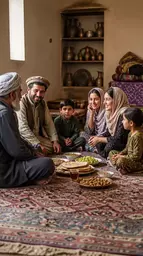
Each dish tells a story.
More than just food.
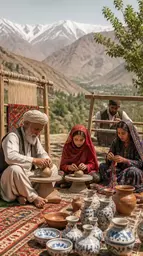
Land dictates the plate.
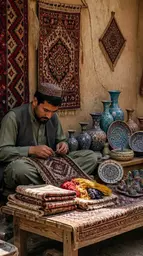
A mosaic of flavors.
At Afghanistan Map, I've always felt that food tells a story—a story of culture, history, and community. Afghan cuisine serves as a rich testament to our cultural heritage and identity. Each dish we enjoy offers a glimpse into the traditions and values that define our society. From family gatherings to festive celebrations, the food we share plays a crucial role in shaping our sense of belonging.
When exploring Afghan food culture, one can see how it embodies our collective memories, experiences, and identity. The flavors we cherish are deeply connected to our history and the land we inhabit, making each meal an opportunity to connect with our roots.
Afghan food is not just about sustenance; it’s about heritage. Our cuisine reflects the diversity of the country, shaped by centuries of trade, migration, and cultural exchange. This culinary landscape is a vibrant tapestry woven from various influences, making it both unique and deeply resonant.
Each ingredient and recipe serves as a marker of our identity, reflecting the regions and peoples that make up Afghanistan. Thus, savoring Afghan cuisine is akin to experiencing a slice of our shared history. As noted in a publication by FES Library, food plays a significant role in defining the cultural identity of a nation.
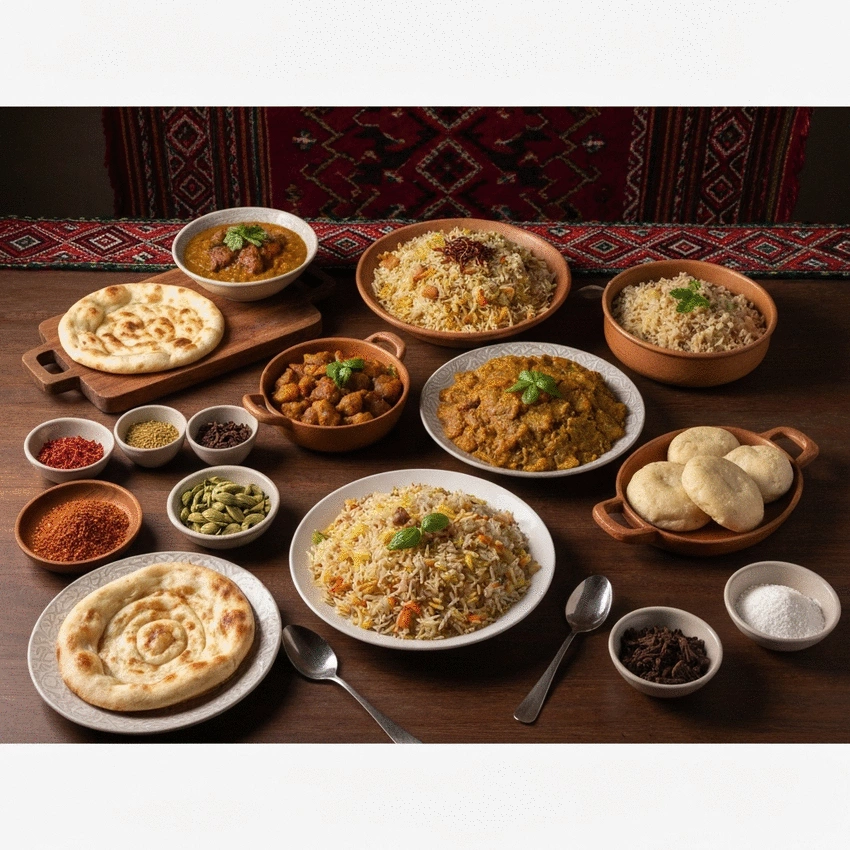
As we gather around the table, traditional Afghan dishes like Kabuli Palaw, Qorma, and Bolani take center stage. These meals are more than just food; they are emblematic of our culture and values.
These dishes are not only enjoyed for their taste but also for their significance. They tell stories of our past and the values we hold dear, making them a cherished part of our identity. Indeed, ECIECO highlights how traditional Afghan cuisine is a powerful symbol of hospitality and collective identity.
In addition to the classics, popular dishes like Mantu and Ashak deserve special mention for their place in Afghan culture. Mantu, steamed dumplings filled with spiced meat, often garnished with yogurt and garlic sauce, is a comfort food that brings families together.
These dishes highlight the importance of food in both daily life and special occasions, reinforcing our cultural identity while inviting everyone to join in the celebration of Afghan heritage.
As I delve deeper into Afghan cuisine, I can't help but marvel at how geography plays a pivotal role in shaping our food practices. Each region has its unique flavors and ingredients, influenced by the surrounding landscapes and climates.
Understanding these regional variations enriches our appreciation of Afghan cuisine, illustrating how diverse cultures contribute to our culinary identity.
Afghanistan's varied topography—from mountainous terrains to fertile valleys—significantly influences the ingredients we use and the flavors we cherish. For instance, the northern provinces are known for their lamb dishes, while southern regions favor spicy, herb-laden meals.
This geographical diversity not only shapes our culinary landscape but also reflects the intricate connections between our environment and our cultural heritage.
The ethnic mosaic of Afghanistan also plays a crucial role in our food traditions. Each ethnic group, such as the Pashtun, Tajik, and Hazara, contributes distinct flavors and cooking techniques, creating a rich tapestry of culinary practices.
These regional differences add depth to our understanding of Afghan cuisine, reflecting the diversity of its people and their histories. For additional insights into the cultural aspects of food, JSTOR offers further reading on the anthropology of food and eating.
No discussion of Afghan cuisine would be complete without highlighting the importance of herbs and spices. Ingredients like saffron and turmeric are not just culinary staples; they are integral to our identity.
These traditional herbs and spices are a testament to how deeply rooted our culinary practices are in the land we call home, influencing how we cook and enjoy our meals.
To truly appreciate Afghan cuisine, try incorporating traditional herbs and spices into your everyday cooking. Ingredients like saffron and turmeric not only enhance flavor but also connect you to the rich cultural heritage of Afghanistan. Don't hesitate to experiment with these ingredients to add depth to your dishes!
As we delve into the rich tapestry of Afghan cuisine, it's clear that food culture encapsulates not just flavor, but also the essence of Afghan identity and community values. Each dish tells a story, reflecting the history, geography, and diverse cultures that have shaped Afghanistan. The way we prepare, share, and enjoy our meals offers an insight into our traditions, familial bonds, and the warmth of Afghan hospitality. It’s a reflection of resilience, creativity, and the enduring spirit of our people.
In exploring the intertwining of food and identity, we see how culinary practices foster a sense of belonging and solidarity among communities. From the bustling bazaars of Kabul to the family gatherings in Herat, food serves as a bridge connecting generations and cultures. It’s through these shared meals that we celebrate not only our differences but also our common heritage.
Whether you’re a seasoned chef or a curious beginner, I encourage you to engage with Afghan food! There’s something magical about preparing traditional dishes in your own kitchen. Not only will you discover new flavors, but you'll also build a connection to Afghan culture. Consider trying out some classic recipes, inviting friends over for a meal, or attending cultural events that celebrate our culinary heritage. Here are a few ways you can dive into the world of Afghan cuisine:
Each of these experiences will allow you to savor the flavors and stories that make Afghan cuisine so special. Plus, you might find that sharing food is the best way to build connections with others!
Understanding Afghan culture goes beyond tasting our food—it’s about appreciating the stories and traditions that come with it. I encourage you to take a step deeper into the culinary arts of Afghanistan. Engage with our food by asking questions, learning about the origins of our dishes, and recognizing the significance of meals in Afghan society. Here are a few actions you can take:
By doing so, you will enhance not only your palate but also your understanding of the diverse tapestry that is Afghan culture.
Ready to bring the tastes of Afghanistan into your kitchen? Here are some authentic Afghan recipes to get you started on your culinary journey:
These dishes not only represent the heart of Afghan cuisine but also invite you into a world of flavors and traditions. Cooking them at home is a way to experience Afghanistan’s rich culinary landscape and share it with those around you. So, roll up your sleeves and enjoy the process—it’s all part of the journey!
Here is a quick recap of the important points discussed in the article:
By Khalid Rahimi / Oct 03
By Khalid Rahimi / Sep 26
By Khalid Rahimi / Sep 22