Afghan Culture's Impact on Families
By Khalid Rahimi / Sep 26
Did you know that Afghanistan's culinary traditions are a vibrant tapestry woven from its rich history and diverse cultures? Exploring these flavors reveals not just the food but the heart of the Afghan people.
Afghan cuisine is a vibrant tapestry woven from historical influences, cultural significance, and community traditions. Each dish tells a story, connecting generations and reflecting the resilience of its people.
Persian techniques & flavors
Indian spices & complexity
Mongolian preservation methods
Communal meals & family bonds
Celebrations & lavish spreads
Generational recipe sharing
Highlights cultural significance
Promotes sustainable traditions
Increases global awareness
Kabuli Pulao
Mantu (dumplings)
Biryani
Chai (Afghan tea)
Exploring the culinary landscape of Afghanistan is like embarking on a flavorful journey that encompasses centuries of rich history, cultural depth, and community connection. As a passionate geographer and cultural enthusiast, I’ve witnessed firsthand how food serves as a bridge between people and their heritage. The essence of Afghan cuisine is deeply rooted in its historical narratives, reflecting the diverse influences that have shaped the nation over time.
From the ancient Silk Road to modern-day cities, Afghanistan's food tells stories of trade, migration, and resilience. Each dish is a testament to the rich tapestry of ethnicities and traditions that coexist in this beautiful land. Understanding the historical roots of Afghan cuisine is essential for anyone looking to truly appreciate its flavors and significance.
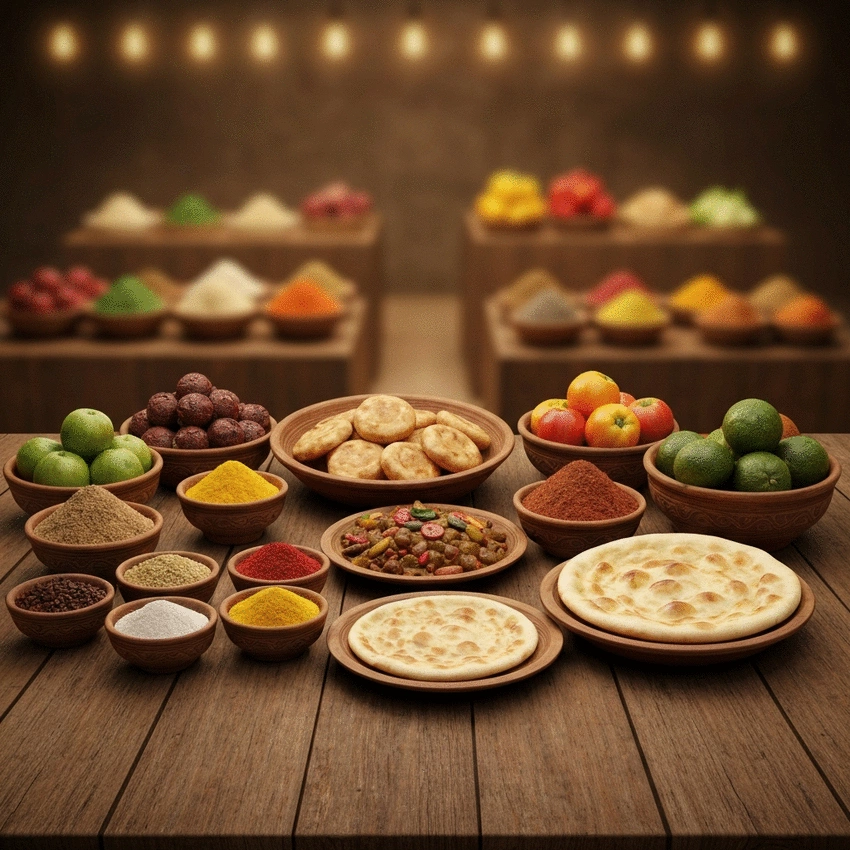
The history of Afghan cuisine is as multifaceted as the country itself, influenced by various empires and cultures throughout the ages. The culinary practices of Afghanistan have been enriched by Persian, Indian, and even Mongolian influences, making it a unique culinary melting pot. For instance, the use of spices and herbs, which bring warmth and depth to dishes, can be traced back to ancient trade routes that passed through Afghanistan. For a broader overview of these culinary traditions, you can refer to authoritative sources such as Wikipedia's entry on Afghan Cuisine.
These historical connections not only enhance the taste of the food but also weave a narrative that connects the past with the present. When you savor a plate of delicious Kabuli Pulao, you're also tasting centuries of culinary evolution that reflect the heart and soul of the Afghan people.
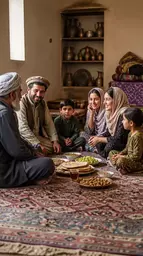
In Afghan culture, food is more than just sustenance; it is a vital part of identity and community. Meals are often communal, bringing families and friends together to celebrate life's moments, both big and small. For instance, during festive occasions, sharing a meal reinforces bonds and signifies unity, making food an integral aspect of Afghan hospitality. The Britannica article on Afghan cuisine further highlights its significance in cultural identity.
As I travel through the provinces, I often find that the love and care poured into food reveal the essence of Afghan hospitality. Each meal is an invitation to share in the warmth and generosity of its people, making it a profound experience for anyone who visits.
Recently, there has been a growing recognition of Afghanistan's culinary heritage on the international stage. The UNESCO designation of certain traditional dishes and culinary practices highlights the importance of preserving these unique cultural expressions. This acknowledgment helps elevate Afghan cuisine, allowing more people to discover its depth and variety. The Library of Congress provides additional context on the cultural significance and preservation efforts for Afghan traditions, including culinary heritage.
As we celebrate these milestones, it is vital for us to continue sharing the stories behind our food. It’s not just about tasting the dishes, but understanding the cultural significance they hold in the hearts of the Afghan people. I invite you to join me on this culinary journey, where each bite is a step into Afghanistan’s vibrant heritage.
Afghan cuisine has been significantly influenced by Persian, Indian, and Mongolian cultures. Persian techniques and flavors, Indian spices, and Mongolian preservation methods have all contributed to its unique character.
Food is central to Afghan identity and community. Communal meals strengthen family bonds, lavish spreads are common at celebrations, and traditional recipes are passed down through generations, connecting people to their heritage.
UNESCO recognition highlights the cultural significance of Afghan dishes and cooking practices, promoting sustainable traditions and increasing global awareness of its rich history and flavors. This helps in preserving and celebrating these unique cultural expressions.
Travelers should definitely try Kabuli Pulao (a fragrant rice dish), Mantu (steamed dumplings), Biryani (spiced rice), and Chai (Afghan tea) to experience authentic Afghan flavors.
Cultural festivals like Nowruz (Persian New Year) and Eid al-Fitr (marking the end of Ramadan) are significant celebrations featuring special dishes, sweets, and feasting, highlighting the importance of food in Afghan culture and community unity.
When exploring Afghan cuisine, don't just focus on the dishes themselves—immerse yourself in the stories behind them. Engage with local cooks and ask about the history and cultural significance of the recipes. This interaction not only enriches your culinary experience but also fosters a deeper connection to the vibrant culture of Afghanistan.
Afghanistan's culinary landscape offers a captivating glimpse into its rich culture and identity. Each dish tells a story, revealing the intricate connections between geography, tradition, and the people who prepare and enjoy these meals. As we explore this vibrant cuisine, we can see how food serves not just as sustenance but as a vital thread that weaves the Afghan community together. From bustling bazaars to family gatherings, the shared experience of food is a cherished part of daily life.
Understanding the significance of food within Afghan culture allows us to appreciate the nuances of its preparation and enjoyment. It’s not just about the taste; it’s about the feelings and connections that each meal fosters among individuals and communities. The flavors of Afghanistan reflect its history and the resilience of its people, making every bite a journey through time.
Food in Afghanistan is a celebration of identity, where every province showcases its unique tastes and traditions. The ingredients and cooking techniques vary, yet they all share a common bond rooted in Afghan culture. Some key aspects include:
As someone who has traveled extensively across Afghanistan, I find that sharing a meal often leads to heartfelt conversations and an exchange of stories, enriching one’s understanding of the culture.
For travelers eager to experience Afghanistan's culinary delights, there are certain dishes and experiences that should not be missed. Here’s a quick list of must-try culinary experiences:
Engaging with local chefs and home cooks can offer invaluable insights into the preparation of these traditional dishes, deepening your appreciation for Afghan cuisine.
Cultural festivals in Afghanistan serve as vibrant celebrations of food and community, bringing people together to honor their culinary heritage. Some notable festivals include:
These festivals not only highlight the importance of food in Afghan culture but also foster a sense of belonging and unity among the people.
Here is a quick recap of the important points discussed in the article:
By Khalid Rahimi / Sep 26
By Khalid Rahimi / Sep 22
By Khalid Rahimi / Sep 13