Navigating Afghanistan's Public Transport Options
By Khalid Rahimi / Oct 25
Have you ever considered how the landscapes of Afghanistan are not just physical spaces, but living histories that narrate the resilience and spirit of its people?
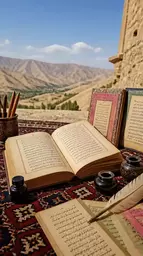
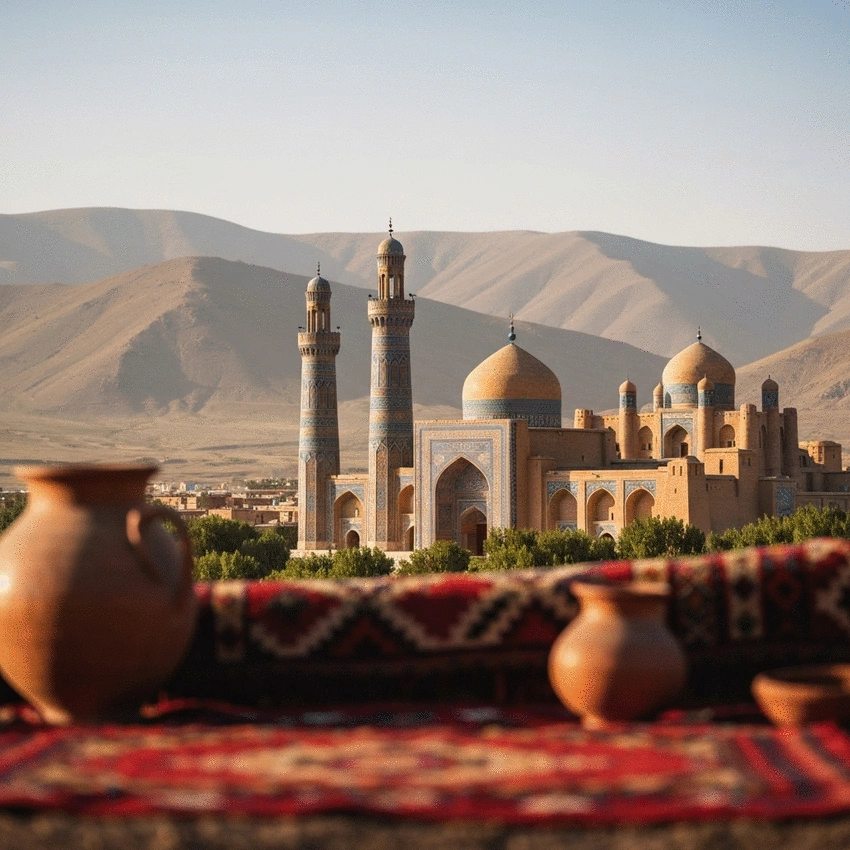
This visual highlights the critical elements that contribute to Afghanistan's rich cultural identity, including its UNESCO sites, the enduring impact of the Silk Road, and the value of heritage preservation.
Afghanistan is a land where every corner tells a story woven from its rich history. To truly appreciate its essence, we must delve into the provinces that have shaped its narrative over the centuries. Each historic province is not merely a dot on a map but a vital piece of a larger puzzle that reflects the cultural and geographical identity of Afghanistan. As someone who has explored these landscapes, I can tell you that understanding Afghanistan’s historical landscape is an invitation to witness the intertwining of time, culture, and resilience.
In this journey, we will explore the importance of Afghanistan’s historic provinces, the treasures recognized by UNESCO, and the profound influence of the Silk Road on the country’s development. Join me as we uncover the layers of history that have shaped the heart and soul of Afghanistan.
The provinces of Afghanistan each hold unique stories and cultural significance. Here are a few key reasons why they are essential to understanding the nation's history:
As I wandered through these provinces, it became clear that they are more than just physical spaces; they are living histories that speak volumes about the resilience and spirit of the Afghan people.
Afghanistan is home to several UNESCO World Heritage Sites that showcase its rich historical and cultural heritage. These sites are not just relics; they represent the enduring legacy of the nation's past. Here are some notable examples:
Each of these sites represents a chapter in Afghanistan's history, beckoning travelers and researchers to explore and learn. They remind us of the importance of preserving such heritage for future generations.
The Silk Road was more than just a trade route; it was a vibrant network that facilitated cultural exchanges and economic interactions across continents. Afghanistan played a pivotal role in this grand tapestry, acting as a crossroads for merchants, travelers, and ideas. Here are some key impacts of the Silk Road:
As I reflect on the impact of the Silk Road, it’s clear that it not only shaped the economy but also laid the groundwork for a *cultural mosaic* that defines Afghanistan today. Understanding this connection allows us to appreciate the depth of Afghanistan's historical narrative.
When exploring Afghanistan's historical provinces, consider engaging with local communities to gain a deeper understanding of their traditions and heritage. Participating in local festivals or workshops can enrich your experience and foster connections that transcend cultural boundaries.
As I dive deeper into the cultural heritage of Afghanistan, it becomes clear that preserving this rich tapestry is not just about safeguarding monuments; it's about honoring the stories and traditions woven into them. Each historical site stands as a testament to the resilience of the Afghan people and their ability to adapt while holding onto their identity amidst change. By protecting these sites, we maintain a connection to our past and ensure that future generations can appreciate the cultural richness that defines Afghanistan.
Moreover, the value of preserving Afghanistan’s cultural heritage goes beyond mere nostalgia; it plays a critical role in fostering national pride and unity. When we engage with our history, we can build a collective consciousness that celebrates our diverse roots and shared experiences. This connection not only enriches our understanding of who we are but also promotes a sense of belonging among all Afghans.
As we recognize these values, it becomes evident that every effort to preserve our heritage contributes to a larger narrative of resilience and adaptation. Each historical site and artifact provides insights into the intricate relationships between the geography of Afghanistan and its people. Through preservation, we can cultivate a deeper appreciation for the complex cultural identity that has evolved over centuries.
For those eager to immerse themselves in Afghanistan's history, there are numerous avenues to explore. Visiting historical sites, participating in local festivals, and engaging with community storytelling are just a few ways to connect with our rich past. As you wander through the ancient streets of Herat or the serene valleys of Bamiyan, take a moment to reflect on the stories that these places hold.
Moreover, I encourage everyone to seek out experiences that highlight traditional crafts and cultural practices. By engaging with local artisans and learning about their methods, you not only support their livelihoods but also deepen your own understanding of Afghan culture.
Historical monuments serve as more than just landmarks; they are vital pieces of the collective Afghan identity. Each structure tells a story of the people who built it and the events that transpired around it. Understanding these narratives allows us to appreciate the struggles and triumphs of those who came before us, shaping our current identity.
As an enthusiast of geography and culture, I have seen how historical sites reflect the diverse influences that have shaped Afghanistan—be it the ancient Silk Road or the spread of various religions. These sites invite us to engage with our history, fostering a sense of belonging and continuity as we navigate our present.
There are many ways to support the preservation of Afghanistan's cultural heritage, and I invite you to join in! Local initiatives often rely on community involvement and support. Whether it's volunteering your time, donating resources, or simply spreading the word, your efforts can make a significant impact. Here are some options to consider:
By getting involved in these initiatives, you help build a sustainable future for Afghanistan's rich heritage. Remember, every small action contributes to a larger movement towards preservation and appreciation!
International organizations play a crucial role in the preservation of Afghanistan's cultural sites, often providing expertise and resources that local communities may not have access to. These collaborations are essential for effective restoration efforts, ensuring that our heritage is preserved for future generations. Organizations like UNESCO and various NGOs work closely with local partners to develop strategies tailored to the unique challenges faced by Afghanistan.
Moreover, their involvement helps raise global awareness about the importance of safeguarding our heritage. As we learn more about how these organizations operate, we can better understand the complexities of heritage preservation and contribute to these efforts in meaningful ways.
Education is a powerful tool for promoting cultural awareness, and I believe that fostering understanding of Afghanistan's heritage starts in our schools and communities. Incorporating ethnographic studies into educational curricula can enhance students' appreciation for their own culture and the diverse histories of others.
By encouraging discussions around our heritage, we not only celebrate our past but also inspire curiosity about the future. Workshops, seminars, and community events can serve as platforms for sharing knowledge and experiences, making it possible for everyone to engage with and appreciate the rich tapestry of Afghan culture.
Here is a quick recap of the important points discussed in the article:
A1: Afghanistan is home to several important UNESCO sites, including the Buddhas of Bamiyan, which represent its historical connection to Buddhism, and the Minaret of Jam, an architectural marvel of the Ghurid dynasty. The Archaeological Site of Aï Khanum also provides insights into Hellenistic cultural exchange.
A2: The Silk Road played a crucial role in Afghanistan's development by fostering economic prosperity through trade, facilitating cultural exchange among diverse populations, and driving infrastructure development such as roads and fortified cities. It helped shape Afghanistan into a cultural mosaic.
A3: Preserving Afghanistan's cultural heritage is vital because it enhances national pride and identity, strengthens community bonds, promotes tourism, and provides educational opportunities for future generations. It connects current and future Afghans to their rich past and diverse influences.
A4: Individuals can contribute by supporting local initiatives, volunteering at historical sites, purchasing traditional crafts from local artisans, donating to cultural preservation organizations, and advocating for educational and awareness programs in their communities.
A5: Each of Afghanistan's historic provinces is crucial for safeguarding unique local traditions, languages, and customs. They host historical landmarks that serve as tangible connections to the past and reflect the diverse geographical and cultural identity of the nation.
By Khalid Rahimi / Oct 25
By Khalid Rahimi / Oct 20
By Khalid Rahimi / Oct 12