Travel Mindfully: Support Afghan Communities
By Khalid Rahimi / Oct 03
Are you ready to delve into the vibrant world of Afghanistan's festivals and the rich culture they embody? These celebrations are not just festivities; they are the lifeblood of Afghan identity, weaving together the threads of history, community, and resilience.
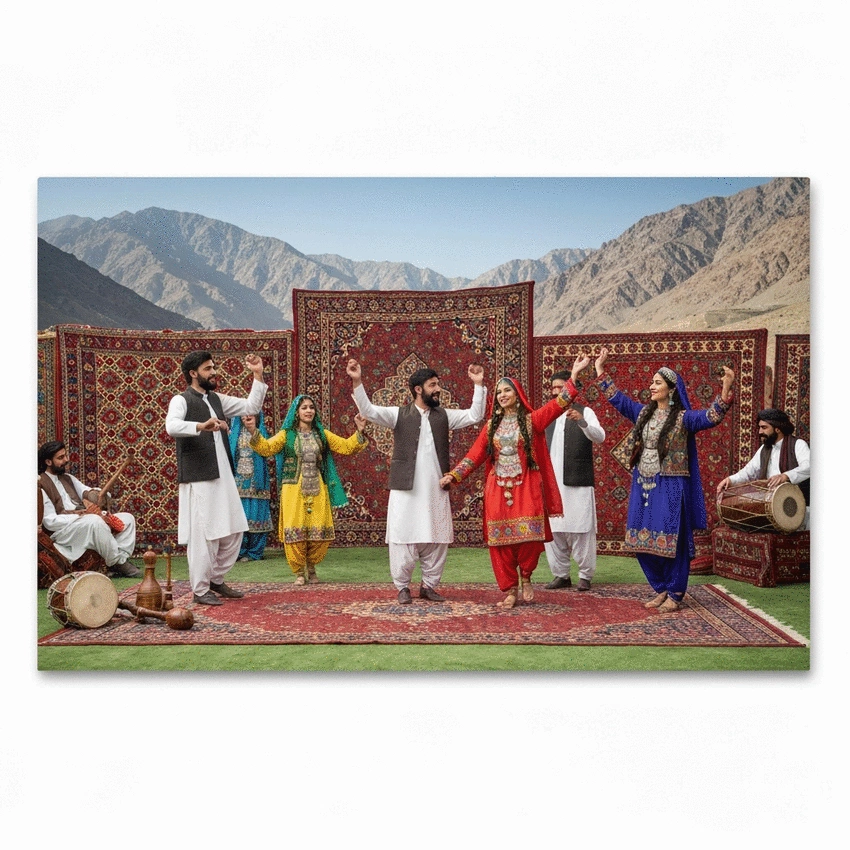
Afghanistan's festivals are vibrant expressions of its rich cultural heritage, weaving together history, faith, and community. The visual below highlights the key aspects and cultural practices associated with these significant celebrations.
Festivals in Afghanistan are more than just celebrations; they are vital threads in the cultural fabric of the nation. They foster community cohesion, strengthen cultural identity, and provide a platform for the diverse peoples of Afghanistan to express their traditions. Each festival is a vibrant reflection of the history, values, and beliefs that shape Afghan society.
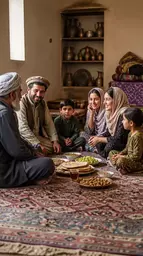
Through these joyous gatherings, we witness the deep connections among families, friends, and neighbors as they come together to honor their heritage. It’s in these moments that the true spirit of Afghanistan shines brightly, reminding us of the resilience and warmth of its people.
Festivals hold a significant place in Afghan culture, serving various functions that enhance community bonds. They offer opportunities for social interaction, cultural expression, and unity among diverse ethnic groups. Celebrating these occasions allows individuals to engage with their history and strengthen their ties to their heritage. This is especially important for preserving cultural identity amidst challenging times, as discussed in a relevant article by JGU.edu.in, which highlights how cultural celebrations can challenge authority and foster resistance in contemporary Afghanistan.
Moreover, festivals serve as a means to pass down traditions from one generation to the next. Through storytelling, music, and dance, younger generations learn about their ancestors' values and experiences, fostering a sense of belonging and continuity.
The evolution of festivals in Afghanistan is deeply intertwined with the country's political and social changes. From ancient times, festivals have mirrored the resilience of a people who have faced challenges while maintaining their cultural identity. Over the years, celebrations have adapted to reflect the shifting landscape of Afghan society.
As we explore the historical context of these festivals, we see how they have been both a source of joy and a means of resistance. Even in the face of adversity, the people of Afghanistan have continued to celebrate their heritage, showcasing their enduring spirit and commitment to cultural preservation.
Nowruz, the Persian New Year, is one of the most significant festivals celebrated in Afghanistan. It marks the arrival of spring and symbolizes renewal and hope. The rituals associated with Nowruz vary across regions, but they all share a common theme of celebrating life and the changing seasons.
In Afghanistan, Nowruz is not just a day of celebration but a week-long event filled with cultural activities. The joy of families gathering together to honor their traditions is palpable, creating lasting memories and reinforcing communal ties.
The two major Eids, Eid al-Fitr and Eid al-Adha, hold immense significance for Afghan Muslims. Eid al-Fitr marks the end of Ramadan, while Eid al-Adha commemorates the willingness of Ibrahim to sacrifice his son. Both festivals are celebrated with various customs that reflect the rich tapestry of Afghan culture.
Cultural practices during Eid often transcend religious boundaries, bringing together people from different ethnic backgrounds to celebrate their shared values. This unity is a beautiful testament to the diversity and strength of the Afghan people.
Ashura is a day of profound significance for Afghan Shi'a communities, commemorating the martyrdom of Imam Hussain. It is a time for reflection, mourning, and remembrance, marked by various rituals that showcase resilience and solidarity.
During this time, the spirit of unity is palpable as people come together to honor the memory of those who have sacrificed for justice and truth. Through these observances, the rich cultural and spiritual heritage of Afghanistan is preserved and celebrated.
Mawleed al Nabi, the celebration of the Prophet Muhammad's birth, is a cherished occasion in Afghanistan. It is a time for communities to come together to express their love and reverence for the Prophet through prayers, gatherings, and cultural expressions.
This festival highlights the deep spiritual connection Afghans have with their faith and the enduring influence of the Prophet's teachings in their daily lives. It serves as a reminder of the importance of compassion, unity, and community.
The Jashn-e-Kabul festival is a vibrant celebration showcasing Kabul's rich cultural heritage. This lively event brings together artists, musicians, and performers from across the country to share their talents and traditions with the public.
As we immerse ourselves in the festivities, we not only support local artists but also gain a deeper understanding of Afghanistan's cultural landscape. It is an event that embodies the spirit of resilience and creativity in the face of challenges.
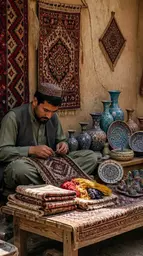
Afghan National Independence Day, celebrated on August 19th, commemorates the country's independence from British influence in 1919. This day is marked with pride and patriotism, showcasing the unity of Afghans across the nation. Further information on Afghan art and culture, including aspects of traditional celebrations, can be found on the Afghan Embassy in Canada's website.
Through these celebrations, the Afghan people reflect on their history while looking forward to a united future. National Independence Day serves as a powerful reminder of the importance of sovereignty and cultural identity.
Here are some common questions about Afghanistan's vibrant festivals:
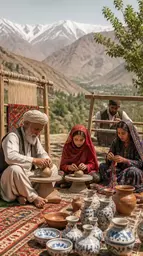
When planning to experience Afghan festivals, consider reaching out to local cultural organizations or communities. They often host events and celebrations that welcome visitors, providing an authentic glimpse into the traditions and practices. Engaging with locals can enhance your understanding and appreciation of the rich cultural tapestry that these festivals represent. For those interested in the broader efforts to preserve this rich heritage, the University of Chicago provides insights into preserving cultural heritage in Afghanistan.
As we dive deep into the vibrant world of Afghan festivals, we come to appreciate not just the celebrations themselves, but the rich cultural heritage they represent. Understanding and participating in these festivals is a way to connect with the heart of Afghanistan, embracing its traditions, values, and the warmth of its communities. Each festival tells a story, inviting us to witness how the past and present blend together in lively gatherings filled with joy, music, and shared experiences.
Participating in these festivals allows visitors and locals alike to engage with the diverse cultures that make up Afghanistan's landscape. Imagine the colors, the sounds, and the scents of delicious traditional dishes wafting through the air! Festivals are opportunities to form connections, whether it be through shared laughter during dances or the simple act of enjoying a meal with friends and family.
Are you ready to embark on your own journey of cultural discovery? I encourage you to explore more about Afghan culture through its festivals! Here are some valuable resources to help you get started:
By engaging with these resources, you will not only gain a deeper appreciation for Afghan culture but also foster connections with the people who carry these traditions forward. The festivals of Afghanistan await you, filled with stories and experiences that resonate long after the celebrations end!
Here is a quick recap of the important points discussed in the article:
By Khalid Rahimi / Oct 03
By Khalid Rahimi / Sep 26
By Khalid Rahimi / Sep 22