Afghan Markets: Carpets and Crafts
By Khalid Rahimi / Sep 13
What if the future of Afghanistan's stability depended on its unique geographical position and rich cultural tapestry? The interconnections between various regions are not just historical; they are vital for understanding present-day dynamics and future opportunities.
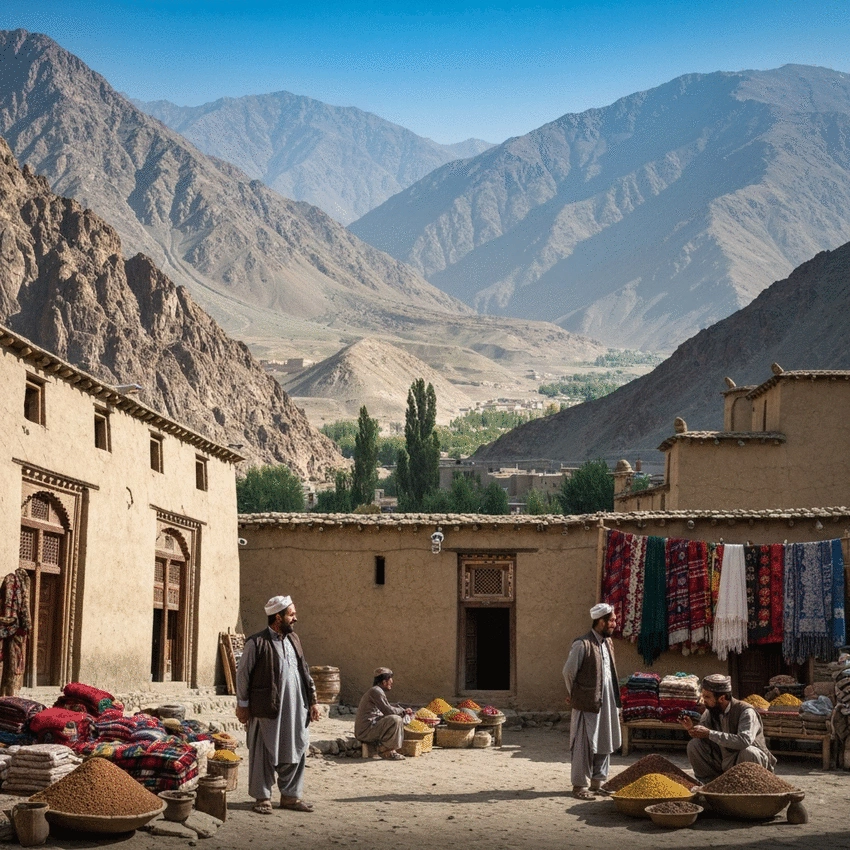
This visual highlights Afghanistan's critical role as a regional connector, the historical influences shaping its border provinces, and the ongoing impact of the Durand Line.
Afghanistan is often described as a vital junction that connects Central and South Asia. This unique positioning has significant implications for trade, culture, and security dynamics. As someone who has dedicated years to exploring and understanding the intricate geography of Afghanistan, I see firsthand how these connections influence not just the nation but the entire region.
Historically, Afghanistan has been the crossroads for various civilizations, facilitating trade routes that have shaped its diverse cultural tapestry. In today’s world, this connectivity plays a critical role in geopolitical strategies and regional cooperation.
Afghanistan's strategic location makes it a key player in regional dynamics. The country serves as a bridge between several important regions, such as:
This pivotal role helps facilitate trade and cultural exchanges while also presenting challenges related to security and political stability.
To fully appreciate Afghanistan's geopolitical significance, we must look back at its border provinces. Historically, these provinces have been shaped by cultural ties and historical events with neighboring countries. For instance:
By understanding these historical contexts, we can better grasp how the past continues to influence present-day relationships within the region.
The Durand Line, drawn in 1893, remains one of the most significant and contentious borders in South Asia. It has historically divided the Pashtun people, leading to ongoing tensions between Afghanistan and Pakistan. The implications of this border are profound:
As we navigate the complexities of the Durand Line, it becomes clear that understanding this division is essential for fostering peace and cooperation between Afghanistan and its neighbors. For more information on the Durand Line and its impact, you can refer to reports from organizations like the UNHCR.
Afghanistan's identity is not solely defined by its borders; rather, it is enriched by the cultural exchanges that occur across these lines. The unique blend of ethnic and linguistic ties among neighboring communities greatly impacts Afghanistan's geopolitical landscape.
As we explore these cross-cultural influences, we can appreciate the depth of Afghanistan's heritage and its potential for fostering greater regional collaboration. For further insights into the cultural landscape, reports from the International Organization for Migration (IOM) offer valuable perspectives on population movements and cultural interactions.
As we delve deeper into Afghanistan's geopolitical landscape, we want to know your thoughts! How do you perceive the role of Afghanistan in regional trade and cultural exchanges? Share your perspective below:
As we look ahead, the geopolitical landscape of Afghanistan is poised for significant changes. The ongoing shifts in regional alliances, economic partnerships, and global diplomacy will undoubtedly impact the dynamics of its border provinces. Understanding these trends is crucial for anyone interested in the intricate tapestry of Afghanistan's future.
One of the key trends to consider is the increasing focus on economic integration within Central and South Asia. With initiatives aimed at enhancing connectivity, we can expect a new chapter in how Afghanistan interacts with its neighbors. This could reshape long-standing cultural relationships and trade agreements, fostering a spirit of cooperation rather than conflict.
The evolving geopolitical trends suggest that Afghanistan could become a central player in future trade routes and energy corridors. As neighboring countries solidify their economic ties, the border provinces may witness greater investment and development opportunities.
These trends not only promise economic benefits but also the potential for improved security and stability in the region. By embracing these opportunities, Afghanistan can redefine its role in the geopolitical landscape, moving towards a future rooted in collaboration.
International stakeholders play a vital role in shaping the future of Afghanistan’s border provinces. Organizations and nations have invested considerable resources in supporting stability and development. However, their influence comes with challenges that must be navigated carefully, as highlighted in various Human Rights Watch reports focusing on the region.
The engagement of these international powers is critical, but it's essential that their efforts align with the needs and aspirations of the Afghan people. A collaborative approach will ensure that the legacy of external involvement leads to sustainable growth and stability. Further insights into international efforts can be found in publications from the United Nations Assistance Mission in Afghanistan (UNAMA).
The potential for economic development in Afghanistan’s border provinces is immense, especially with renewed interest in revitalizing trade routes. With initiatives aimed at enhancing bilateral trade, we could see a significant increase in regional commerce. Supporting local businesses and leveraging Afghanistan's strategic location will be key to tapping into these opportunities.
As we explore these prospects, I invite you to consider how these developments will not only benefit Afghanistan but also enhance regional stability. By understanding and supporting these initiatives, we can contribute to a brighter future for Afghanistan’s rich cultural heritage and dynamic border provinces.
Here is a quick recap of the important points discussed in the article:
By Khalid Rahimi / Sep 13
By Khalid Rahimi / Sep 06
By Khalid Rahimi / Sep 02