Did you know that storytelling is a powerful tool for preserving cultural identities? In Afghanistan, folklore not only entertains but also educates, connecting generations through shared histories. This rich tradition holds invaluable lessons and insights.
What You Will Learn
Afghan folklore reflects the unique geography and culture of Afghanistan, celebrating resilience and community spirit.
The role of traditional storytellers, or naqqals, is crucial in keeping historical narratives alive.
Oral storytelling fosters strong social ties and helps maintain cultural identity amidst change.
Proverbs are significant in Afghan folklore, conveying deep wisdom and societal values in concise forms.
Contemporary Afghan culture is enriched by folklore, influencing art, literature, and even fashion.
Engaging youth in storytelling traditions through workshops and digital platforms ensures the continuation of these narratives.
Folklorists play a vital role in documenting stories and engaging communities to preserve cultural heritage.
Key Aspects of Afghan Folklore and Its Cultural Transmission
Afghan folklore is a rich tapestry of stories, wisdom, and traditions that play a vital role in preserving cultural identity across generations. The visual below highlights the core components and the essential processes involved in its transmission.
Understanding Afghan Folklore: An Overview of Cultural Significance
Afghan folklore is a vibrant tapestry woven from the rich threads of history, culture, and tradition. It embodies the collective experiences and wisdom of the Afghan people and serves as a window into their identities. Through storytelling, we not only preserve our heritage but also foster a greater appreciation for the cultural significance of our past. For an in-depth look at the diverse forms of oral literature in the region, including tales, songs, and proverbs, you can consult the Encyclopædia Iranica article on folklore, which provides comprehensive academic insights.
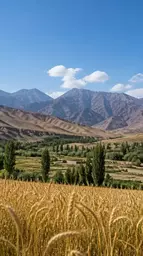
At the heart of Afghan folklore lies a deep connection to the land itself. Each story often reflects the unique geography of Afghanistan, from its towering mountains to its serene valleys. It’s a celebration of resilience, adventure, and the enduring spirit of our communities!
What Defines Afghan Folklore and Storytelling Traditions?
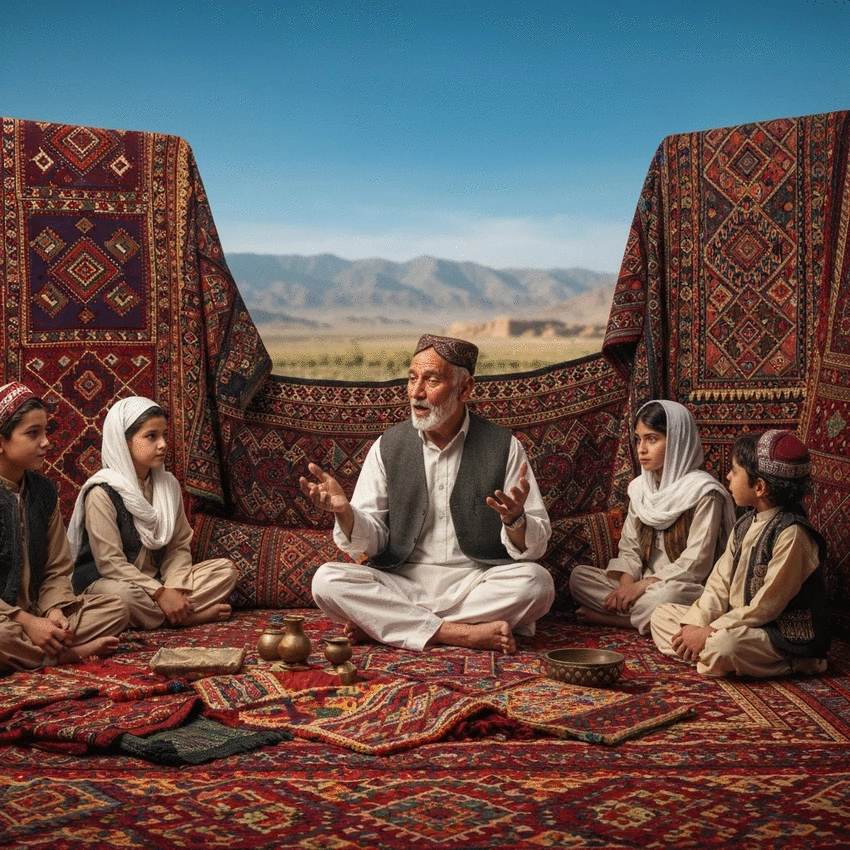
Afghan folklore is characterized by its captivating stories, which range from profound wisdom to lighthearted humor. These tales often embody universal themes such as love, bravery, and justice. Traditional storytellers, known as naqqals, play a crucial role in passing down these narratives, bringing characters to life with their engaging performances.
Story Types: Legends, fables, and moral tales
Key Elements: Symbolism, humor, and historical context
Performance Settings: Family gatherings, community events, and cultural festivals
These storytelling traditions not only entertain but also educate listeners about ethical values and cultural norms. As we dive deeper, we uncover how these narratives are intertwined with our social fabric, shaping our collective identity.
The Role of Oral Culture in Preserving Afghan Identities
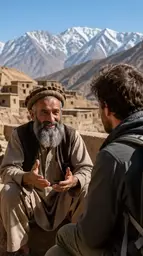
The oral tradition remains a cornerstone of Afghan culture, especially in a country where written records have often been scarce due to various historical challenges. Through oral storytelling, we maintain a strong connection to our roots, ensuring that our history and values are not lost to time.
Community Bonding: Stories strengthen social ties and foster a sense of belonging.
Cultural Resilience: Preserving narratives aids in maintaining cultural identity amidst change.
Generational Knowledge: Older generations pass down wisdom to the youth through storytelling.
This oral culture is not just a way to share stories; it is a lifeline that connects generations and encourages us to embrace our history while navigating contemporary challenges.
The Importance of Afghan Proverbs in Folklore
Afghan proverbs hold a special place within our storytelling traditions. These concise statements often encapsulate profound truths and practical wisdom. They are commonly used in everyday conversations, adding depth and clarity to our language.
Wisdom Sharing: Proverbs convey lessons learned through generations.
Language Richness: They enhance the beauty of the Pashto and Dari languages.
Cultural Reflection: Proverbs reflect societal values and norms.
Through the use of proverbs in our storytelling, we can express complex ideas simply and effectively, connecting with listeners on a personal level. This tradition further enriches the cultural landscape of Afghanistan, making our folklore an essential part of our identity.
Pro Tip
As you explore Afghan folklore, consider incorporating storytelling sessions into your community. These gatherings not only preserve cultural heritage but also serve as a powerful tool for fostering understanding and appreciation among diverse audiences. Encourage local youth to share their interpretations and experiences, enriching the dialogue around these timeless tales.
Frequently Asked Questions About Afghan Folklore
What is the primary role of Afghan folklore?
Afghan folklore serves to entertain, educate, and connect generations by preserving cultural identities and shared histories through storytelling.
Who are naqqals and what is their significance?
Naqqals are traditional storytellers who play a crucial role in passing down narratives, bringing characters to life, and educating listeners about ethical values and cultural norms.
How does oral culture contribute to cultural preservation in Afghanistan?
Oral culture strengthens social ties, fosters a sense of belonging, maintains cultural identity amidst change, and transmits wisdom from older generations to the youth.
What is the importance of proverbs in Afghan folklore?
Afghan proverbs convey profound truths and practical wisdom, enriching the Pashto and Dari languages, and reflecting societal values and norms in concise forms.
How does Afghan folklore influence contemporary culture?
Folklore influences art, literature, fashion, design, film, and theater, serving as a bridge between past traditions and current cultural expressions and inspiring creativity.
What efforts are being made to engage youth in storytelling traditions?
Young people are encouraged through workshops, school programs, and digital platforms to explore creativity, learn traditional techniques, and share their interpretations of folklore.
What is the role of folklorists in preserving Afghan cultural heritage?
Folklorists research and document stories, songs, and oral histories, organize community events, and conduct educational outreach to promote awareness and appreciation of Afghan folklore.
Reflecting on Afghan Folklore's Enduring Legacy
Afghan folklore is not just a collection of tales; it is a vibrant thread woven into the fabric of everyday life in Afghanistan. This rich heritage continues to influence contemporary culture, shaping art, literature, and even social interactions. As we reflect on these stories, we recognize how they inspire creativity and foster a sense of identity among the Afghan people. For further reading on how tradition and renewal are expressed through the arts in Afghanistan, the Association for Asian Studies offers valuable insights.
Today, the echoes of ancient legends resonate through various forms of media, from films to literature, reminding us of the profound impact that folklore has on modern storytelling. Folklore serves as a bridge connecting past traditions to current cultural expressions, allowing newer generations to engage with their roots while adapting these stories to fit modern contexts.
How Afghan Folklore Influences Contemporary Culture
Afghan folklore is deeply embedded in the collective consciousness of the country, influencing numerous aspects of contemporary culture. This influence can be seen in:
Art and Literature: Many contemporary Afghan writers draw inspiration from traditional tales, infusing their works with themes and characters from folklore.
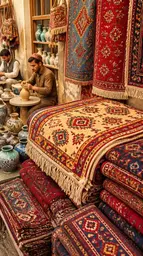
Fashion and Design: Traditional motifs often appear in modern clothing and home decor, showcasing the beauty of Afghan heritage.
Film and Theater: The vibrant stories from folklore are frequently adapted into films and stage productions, bringing old legends to life for new audiences.
These adaptations not only celebrate Afghan culture but also invite global audiences to appreciate the richness of its folklore.
Engaging the Youth: Opportunities for Future Storytellers
As a passionate advocate for Afghan culture, I believe it is essential to engage the youth in preserving our storytelling traditions. There are several exciting opportunities for aspiring storytellers:
Workshops and Community Events: Many organizations host storytelling workshops that encourage young people to explore their creativity while learning traditional techniques.
School Programs: Integrating folklore into school curriculums can spark interest in local history and literature among students.
Digital Platforms: With the rise of social media, young storytellers can share their interpretations of folklore, reaching audiences far beyond Afghanistan.
These opportunities not only empower the youth but also ensure that the tapestry of Afghan folklore continues to thrive.
The Role of Afghan Folklorists in Cultural Transmission
Folklorists play a vital role in preserving and transmitting Afghan folklore. Their work encompasses a range of activities, including:
Research and Documentation: Folklorists meticulously document stories, songs, and oral histories, ensuring they are preserved for future generations. Resources like Eye on Heritage's projects on Afghanistan's cultural heritage highlight significant efforts in this area.
Community Engagement: By organizing storytelling events and festivals, they foster community interest and participation in preserving these cultural traditions.
Educational Outreach: Folklorists often collaborate with schools and libraries to promote awareness and appreciation of Afghan folklore among young people.
Through their dedication, Afghan folklorists help keep our rich cultural heritage alive, ensuring that the magic of storytelling continues to enchant generations to come.
Recap of Key Points
Here is a quick recap of the important points discussed in the article:
Afghan folklore is a rich tapestry reflecting the collective experiences and cultural identity of the Afghan people.
Storytelling traditions, led by naqqals, include legends, fables, and moral tales that embody universal themes.
Oral culture plays a vital role in preserving Afghan identities, with community bonding and generational knowledge transmission being key elements.
Afghan proverbs succinctly express wisdom and societal values, enhancing the richness of the Pashto and Dari languages.
Contemporary culture is influenced by folklore through art, literature, fashion, and film, bridging past traditions with modern expressions.
Engaging the youth in storytelling is crucial for preserving these traditions, with opportunities in workshops, school programs, and digital platforms.
Folklorists are essential for documenting and promoting Afghan folklore, ensuring its survival for future generations.