Afghan Markets: Carpets and Crafts
By Khalid Rahimi / Sep 13
The journey of Afghan women is a testament to resilience, strength, and an ongoing battle for autonomy and rights. As you explore the rich tapestry of their experiences, consider how their stories reflect the broader cultural landscape shaped by history, conflict, and social norms.
This visual highlights the stark contrast between the historical autonomy of women in urban Afghanistan and the current restrictions they face.
Marriage customs, dowry systems, and honor-based practices often limit women's autonomy and personal freedoms.
Despite challenges, Afghan women display remarkable resilience, with gender equality movements gaining momentum globally.
There's a significant gap between existing legal protections for women and their enforcement due to cultural practices.
International comparisons show societal benefits of gender equality, highlighting the role of global support.
As I delve into the rich tapestry of Afghanistan's culture, one cannot overlook the vital roles Afghan women play in shaping their communities. Their experiences are intricately woven into the fabric of society and history. Understanding the historical context of women's roles in Afghanistan is essential for grasping the current cultural landscape.
To appreciate the present, it's crucial to look back at the past. Women in pre-Taliban Afghanistan enjoyed a level of autonomy that many today might find surprising. In urban areas, women often participated in education, the workforce, and public life. They were teachers, doctors, and even politicians—a sign of the vibrant role they held in society. For more insights into women's historical contributions, UNESCO provides valuable information on women's contributions to education and culture in Afghanistan.
Before the Taliban's rise in the 1990s, women had access to education and professional opportunities. They were active participants in cultural and social events, contributing to the civic life of their communities. This dynamic fostered a sense of empowerment, where women's voices, choices, and dreams were acknowledged and cherished.
However, decades of conflict have deeply impacted these roles. The upheaval brought forth a myriad of restrictions, redefining societal norms. Women were often pushed into the shadows, with their rights curtailed amidst the chaos. The ripple effects of war shifted perceptions and roles, leading to a stark contrast to their former positions. A comprehensive study on the health and rights of Afghan women is available through the National Center for Biotechnology Information (NCBI).
Today, cultural traditions continue to shape the lives of Afghan women. These customs, often steeped in history, can have both positive and negative impacts. Understanding these traditions helps illuminate the challenges Afghan women face in their daily lives.
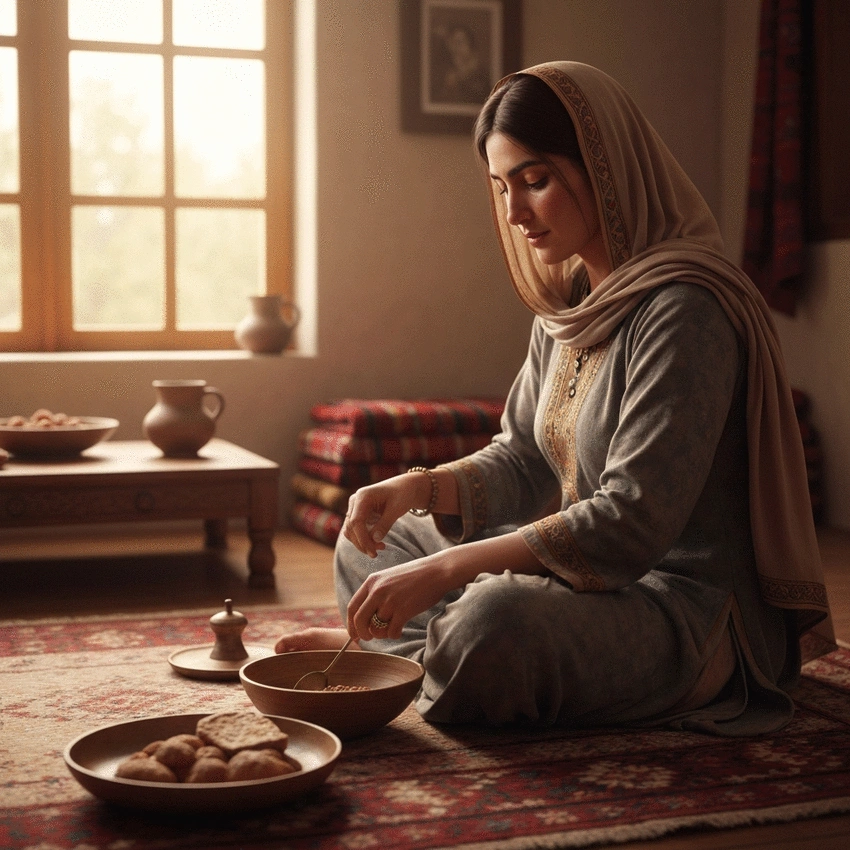
Marriage in Afghanistan is often intertwined with complex customs and expectations. Dowry systems can place significant financial burdens on families, affecting women's autonomy. Many find themselves navigating these cultural landscapes with resilience and grace. Here are some key aspects:
These practices highlight the tension between tradition and personal choice, reflecting the broader cultural landscape.
Social norms surrounding honor can deeply affect women's lives. Honor-based practices dictate behavior, often constraining women's personal freedoms. These norms can lead to societal pressure to uphold family honor, sometimes at the expense of women's rights and well-being. Women navigate these challenges daily, showcasing remarkable resilience.
Recent years have seen a resurgence of restrictions following the Taliban's return to power. Women's rights have been severely curtailed, with many being barred from education and employment. This has led to increased isolation and dependency on male family members. The impact on girls' education is particularly concerning, as detailed in this policy brief from Princeton University.
The burqa, a traditional garment, symbolizes the complex relationship between culture and identity for Afghan women. While some view it as a means of protection and modesty, others see it as a representation of oppression. The perspectives on the burqa vary widely, reflecting the diverse voices of Afghan women:
Understanding these perspectives is essential for appreciating the cultural landscape of Afghanistan.
To better understand the complexities of Afghan women's roles, consider exploring local narratives through literature and documentaries. Engaging with these stories not only broadens your perspective but also fosters empathy and a deeper appreciation for the resilience and strength of Afghan women in the face of adversity.
A1: Historically, particularly in urban areas of pre-Taliban Afghanistan, women enjoyed significant autonomy. They actively participated in education, the workforce as professionals like teachers and doctors, and public life, contributing to their communities' civic and cultural spheres.
A2: Decades of conflict have drastically altered women's roles, leading to severe restrictions on their rights and pushing them into the shadows. This upheaval has redefined societal norms, limiting their access to public life, education, and employment, and often increasing their isolation and dependency.
A3: Current cultural traditions, such as arranged marriage customs, dowry systems, and honor-based practices, profoundly shape Afghan women's lives. These customs often impose social pressures and can limit women's personal freedoms and autonomy.
A4: With the Taliban's resurgence, women's rights have been severely curtailed. Key restrictions include being barred from education and employment, which has led to increased isolation and dependency on male family members.
A5: The burqa is viewed diversely among Afghan women. Some see it as a symbol of protection and modesty, offering a sense of security in public spaces. Others perceive it as a limiting factor that hinders personal expression and represents oppression.
A6: A significant challenge is the gap between existing legal protections for women and their practical enforcement. While laws may advocate for gender equality, traditional cultural norms often impede progress, leaving many women without the intended protection.
As we reflect on the intricate narratives woven into the lives of Afghan women, it becomes clear that their roles are evolving amidst countless challenges. From the historical context that shaped their experiences to the current struggles they face, understanding their journey is vital. It is essential to recognize both the resilience they exhibit and the aspirations they hold for the future. By fostering an empathetic understanding of Afghan women’s stories, we can engage more meaningfully with their realities.
When discussing the future for Afghan women, we must consider the complex interplay between legal frameworks and cultural practices. While laws may advocate for gender equality, traditional norms can often impede progress. This has created a landscape where opportunities exist, yet remain difficult to access, especially in light of recent political changes.
Moreover, examining international comparisons allows us to gain insights into how different cultures navigate similar challenges. It’s enlightening to see how other nations have balanced tradition with modern demands. These examples can offer valuable lessons for Afghanistan, highlighting the importance of supporting gender equality movements to ensure lasting change.
The contrast between legal frameworks and cultural practices is pronounced in Afghanistan. Laws exist that aim to protect women’s rights, but these are often contradicted by cultural expectations. For instance, the enforcement of laws can lag far behind their introduction, leaving many women without the protection they need. It’s crucial to bridge this gap through education and awareness, empowering women to advocate for their rights.
By looking at international examples, we can see how various societies have navigated similar issues. Countries that have embraced gender equality have often seen significant societal benefits, from economic growth to social stability. These insights can inspire Afghan communities to rethink traditional roles and embrace new possibilities for women. Engaging with these comparisons not only broadens understanding but also fosters a sense of solidarity among women globally.
The rise of gender equality movements around the world has had a profound impact on Afghanistan. Organizations advocating for women’s rights have gained momentum, pushing back against regressive policies. As these movements challenge the status quo, they provide a platform for women’s voices to emerge. Supporting these initiatives is vital for creating an environment where women can thrive and contribute to society’s advancement.
One of the most powerful ways to support Afghan women is to engage with their stories. Listening to their experiences and understanding their challenges can foster a sense of connection and empathy. At Afghanistan Map, we strive to highlight these narratives, shedding light on the lives of women who embody resilience and strength.
Empathy is a crucial component in fostering genuine connections with Afghan women. By acknowledging their struggles and celebrating their achievements, we can help dismantle stereotypes and promote a richer understanding of their realities. This empathetic engagement encourages support from individuals and organizations alike, emphasizing the need for collaboration in addressing the challenges faced by women.
As we recognize the importance of Afghan women’s stories, it’s time to take action! Advocating for their rights and supporting initiatives that empower them is essential. We encourage you to engage with organizations focused on women’s empowerment in Afghanistan and consider how you can contribute to these efforts. Every action counts, and together we can make a difference!
Finally, it’s crucial to highlight the inspiring female role models and activists making waves in Afghanistan. From educators to entrepreneurs, these women are breaking barriers and paving the way for future generations. By sharing their stories, we not only celebrate their achievements but also inspire others to follow in their footsteps. Let’s amplify their voices and recognize their invaluable contributions to society!
Here is a quick recap of the important points discussed in the article:
By Khalid Rahimi / Sep 13
By Khalid Rahimi / Sep 06
By Khalid Rahimi / Sep 02