Afghan Markets: Carpets and Crafts
By Khalid Rahimi / Sep 13
Explore the vibrant tapestry of Afghan clothing, where every thread tells a story of resilience and cultural identity. As you engage with this rich heritage, discover how fashion intertwines with history and shapes everyday life in Afghanistan.
A visual comparison of two prominent Afghan ethnic groups' traditional wear, highlighting their distinct styles and cultural influences.
Afghanistan is home to diverse ethnic groups, each with unique clothing styles reflecting their heritage. The Silk Road significantly influenced textile traditions, blending styles from neighboring regions.
Afghan clothing is more than just fabric; it embodies the stories and traditions of the diverse ethnic groups within Afghanistan. Each piece of clothing worn by the people reflects their cultural significance and historical roots. As we explore these garments, it becomes clear how geography, history, and community influence fashion choices across various regions of the country. Let’s dive into the rich tapestry of Afghan attire!
From the vibrant colors of the mountainous regions to the intricate patterns that tell stories of the Silk Road, Afghan clothing captures the heart of its culture. As a passionate geographer and cultural enthusiast, I find that exploring the clothing traditions not only highlights the beauty of Afghanistan but also underscores the resilience and diversity of its people.
Afghanistan is home to a myriad of ethnic groups, each with unique clothing styles that represent their heritage. The most prominent groups include the Pashtun, Tajik, Hazara, and Uzbek, among others. Understanding these differences provides valuable insight into the cultural identity of each group.
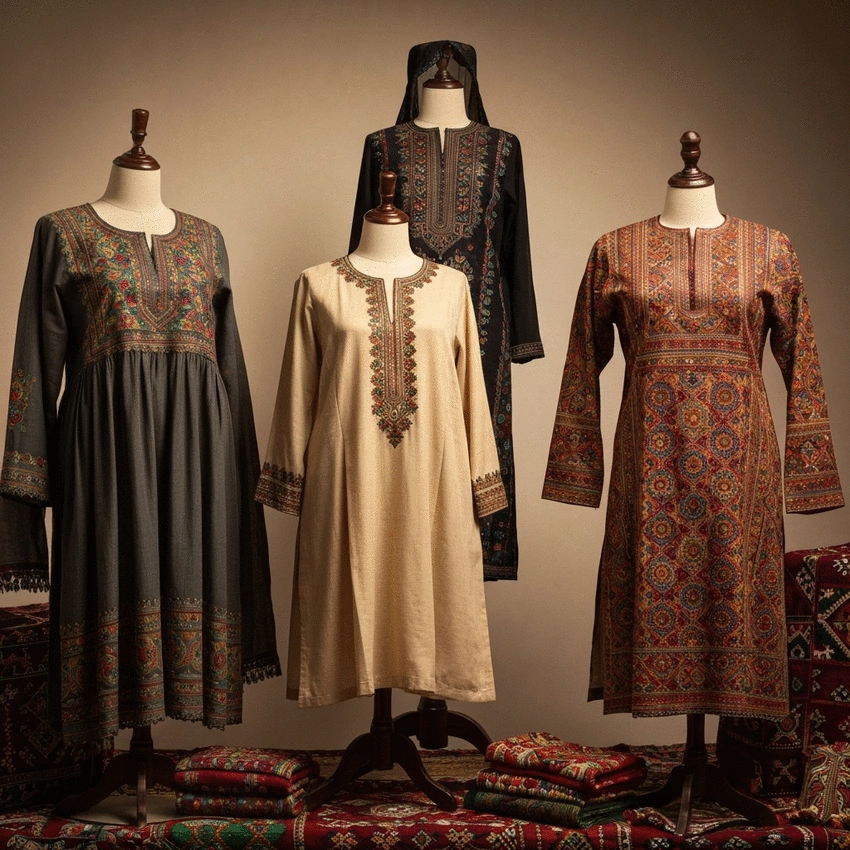
Among these variations, the Pashtun and Nuristani traditional wear stand out due to their unique features. While Pashtuns often wear simple yet elegant styles, Nuristani attire is characterized by colorful and elaborately woven fabrics that showcase their rich folklore.
When looking closely at Pashtun and Nuristani clothing, we see distinct differences that tell tales of culture and environment. Pashtun outfits tend to be more practical, focusing on functionality for daily life, while Nuristani garments embrace vibrant colors and elaborate patterns, emphasizing their artistic heritage.
This contrast not only highlights the diversity of Afghan clothing but also emphasizes how these styles have been influenced by the rugged terrains and lifestyles of the people. Every piece worn carries the essence of its origins, connecting us to the broader narrative of Afghan history.
The Silk Road has played a crucial role in shaping Afghan textile traditions. This ancient trade route facilitated the exchange of ideas, cultures, and, notably, fabrics. Afghan textiles have absorbed various influences from neighboring regions, incorporating intricate designs and techniques that reflect this rich history.
As a result, you can see a blend of styles that enhance the uniqueness of Afghan clothing. For instance, the paisley patterns found in many Afghan garments are a testament to Persian and Indian influences that have melded over centuries. For deeper insights into global trade patterns that have historically impacted regions like Afghanistan, you can explore resources such as the World Bank's data on Afghanistan, which offers economic and trade perspectives.
Another fascinating aspect of Afghan clothing is the difference between urban and rural attire. In urban areas, you might notice a fusion of traditional and modern styles, with young people often adopting western fashion trends while still honoring their cultural roots. This blend creates a vibrant fashion scene that celebrates both identity and innovation.
This dynamic interplay between urban and rural attire reflects the ongoing evolution of Afghan fashion, illustrating how culture adapts while maintaining its core values. To understand the economic factors influencing these choices, information from organizations like the U.S. Agency for International Development (USAID) can provide context on development and economic shifts in the region.
As we navigate the world of traditional Afghan garments, it becomes clear that clothing is imbued with symbolic meanings. Each piece of clothing often signifies a deeper connection to one's heritage, community, and identity.
For instance, the *shalwar kameez* is not just a dress; it is a representation of unity across several ethnic groups, while the *chapan* is celebrated for its historical significance as a garment worn by leaders and influential figures.
The *shalwar kameez* stands out as a timeless classic in Afghan attire, beloved for its comfort and versatility. This outfit typically consists of loose-fitting trousers (shalwar) and a tunic (kameez) that can be adorned with beautiful embroidery and patterns.
This garment transcends cultural boundaries within Afghanistan, worn by men and women alike in various designs. Its adaptability makes it a staple in traditional and modern wardrobes, representing the unity of Afghan culture.
The *chapan*, a traditional cloak often worn during colder months, carries significant cultural weight. Traditionally associated with leadership and heritage, this garment is crafted with care, often featuring rich colors and detailed patterns.
Wearing a *chapan* is a statement of identity, linking the wearer to their history and cultural roots. It serves as a reminder of the past while remaining relevant in contemporary Afghan society.
Another interesting garment is the *pakol*, a soft, round-topped hat that has become symbolic in Afghan culture, especially among the Pashtuns. Its political significance cannot be overlooked, as it has been worn by various leaders and figures throughout history, marking their stature and identity.
The *pakol* is not just a hat; it represents resilience and unity among Afghans, embodying the spirit of the people in challenging times.
Lastly, the *burqa* plays a complex role in Afghan society. Often misunderstood, the *burqa* is a garment that many Afghan women choose to wear, embodying their cultural identity and personal beliefs.
While it may be seen as a symbol of oppression by some, for many Afghan women, the *burqa* is a means of empowerment and self-expression, allowing them to navigate their spaces within the complexities of Afghan society.
Afghan clothing is deeply intertwined with the cultural identities of its diverse ethnic groups (Pashtun, Tajik, Hazara, Uzbek, etc.), reflecting their history, traditions, and resilience.
The Silk Road played a crucial role by facilitating the exchange of ideas, cultures, and fabrics, leading to the incorporation of intricate designs and techniques from neighboring regions into Afghan textiles.
Urban attire often blends traditional styles with modern trends and contemporary fabrics, while rural wear typically remains true to traditional forms, emphasizing practicality and locally sourced materials.
Key garments include the *shalwar kameez* (a timeless classic representing unity), the *chapan* (a traditional cloak symbolizing leadership and heritage), and the *pakol* (a hat with political significance, representing resilience and unity).
Support can come through purchasing handmade items from local artisans, participating in workshops, promoting Afghan fashion at cultural events, and collaborating with artisans to create hybrid designs, all of which contribute to cultural preservation and economic development.
Here's a brief recap of the key points discussed so far:
As we delve into the intricate world of Afghan clothing, it becomes evident that this is not just about fabric and style; it is a reflection of cultural identity and a living history. Each garment tells a story, weaving together threads of tradition, artistry, and modern influences. Through my explorations for Afghanistan Map, I've witnessed firsthand how these garments are emblematic of the diverse ethnic backgrounds that enrich the tapestry of Afghanistan.
In understanding Afghan clothing, we see a vibrant interplay between the past and the present. The revival of traditional crafts is more than just a fashion statement; it's a way to preserve these cultural narratives for future generations. As we embrace modern trends, we must also recognize the significance of keeping our heritage alive.
Afghan clothing embodies a unique convergence of historical roots and contemporary styles. Here are some key takeaways that highlight this intersection:
As I reflect on these insights, it's clear that the evolution of Afghan clothing is a journey worth celebrating. By balancing tradition with modern influences, we can appreciate not just the beauty of these garments, but also the rich stories they carry.
The resurgence of interest in traditional Afghan crafts serves as a vital means of cultural preservation. Recognizing the importance of these crafts, local artisans are reviving techniques that might have otherwise been lost. Each stitch, each pattern, tells the story of the land and its people. This revival not only honors the past but also creates opportunities for economic development.
As we explore the revival of these crafts, we should consider how we can support this movement through various avenues:
By championing these traditional crafts, we contribute to a sustainable future for Afghan culture, ensuring that generations to come can appreciate the artistry embedded in their clothing.
As we continue to explore Afghan fashion, it becomes clear that there is much more to uncover. The richness of these traditions offers an invitation for all of us to engage and support. Through my efforts at Afghanistan Map, I have seen how each garment can connect us to the heart of Afghanistan, its people, and their stories.
Supporting local artisans is a meaningful way to appreciate and engage with Afghan culture. Here are several ways you can make a difference:
By actively supporting these artisans, we help sustain a rich cultural heritage that thrives on creativity and community.
Engaging with Afghan textiles goes beyond making a purchase; it's about sharing the stories behind them. When you wear or showcase Afghan garments, you become a part of a larger narrative that encompasses the resilience and beauty of a culture steeped in history. Encourage those around you to appreciate the craftsmanship and meaning of each piece.
Attending exhibitions dedicated to Afghan textiles offers a fantastic opportunity to immerse yourself in this vibrant culture. These events often showcase the artistry of Afghan artisans and provide insights into traditional techniques. By visiting these exhibitions, you not only gain a deeper understanding of Afghan clothing but also support the artists who dedicate their lives to preserving these crafts.
In conclusion, whether it's through purchasing garments, sharing stories, or supporting local artisans, we can all contribute to the rich tapestry of Afghan clothing traditions. Let’s embrace the journey together, ensuring that the vibrant stories of Afghanistan continue to be told.
Here is a quick recap of the important points discussed in the article:
By Khalid Rahimi / Sep 13
By Khalid Rahimi / Sep 06
By Khalid Rahimi / Sep 02