
Conserving Afghanistan's Endangered Wildlife
By Khalid Rahimi / Oct 12
As you plan your journey through Afghanistan, consider the rich tapestry of culture and history that defines each provincial capital. Understanding these cities can transform your experience and deepen your appreciation for this unique land.
Delve into the multifaceted identity of Afghanistan's 34 provincial capitals, shaped by a rich interplay of geography, history, and vibrant cultural diversity.
34
Each with unique stories and cultural identities
Other languages include Uzbek, Hazaragi, and more.
Afghanistan is a land of breathtaking diversity, with 34 provincial capitals each steeped in rich history and unique cultural identities. It's fascinating to explore how geography shapes these cities, influencing everything from daily life to local traditions. In this section, I'll share insights into the importance of historical context and cultural diversity across these capitals, giving you a deeper understanding of Afghanistan's provincial tapestry.
Each provincial capital in Afghanistan has its own distinct story. From bustling urban centers like Kabul to the tranquil landscapes of Bamyan, these cities reflect a mosaic of cultures and histories. Understanding their significance is essential for anyone looking to truly appreciate Afghanistan's heritage and the role geography plays in shaping identity, as detailed in reports like the Afghanistan Development Update.
When we delve into the historical context of these capitals, we uncover layers of influence from various empires and civilizations. The tales of conquerors and traders interwoven with local histories make each city a chapter in Afghanistan's rich narrative. For instance, Kabul has been a pivotal hub for centuries, while Herat stands as a testament to the artistic achievements of its past.
This cultural diversity is a vital aspect of what makes Afghanistan such a captivating destination. As you explore each capital, you'll find that the mix of ethnic backgrounds influences everything from music to food, offering a colorful experience for travelers and locals alike. For further insight into the country's governance and cultural landscape, the BTI Project Country Report for Afghanistan offers valuable context.
To understand the present, we must look to the past. Many key historical events have shaped the identities of Afghanistan's provincial capitals. From the rise and fall of empires to the impact of modern conflicts, these events have left indelible marks on the culture and architecture of each city. The Council on Foreign Relations Global Conflict Tracker provides a detailed overview of the ongoing conflicts that have significantly impacted these regions.
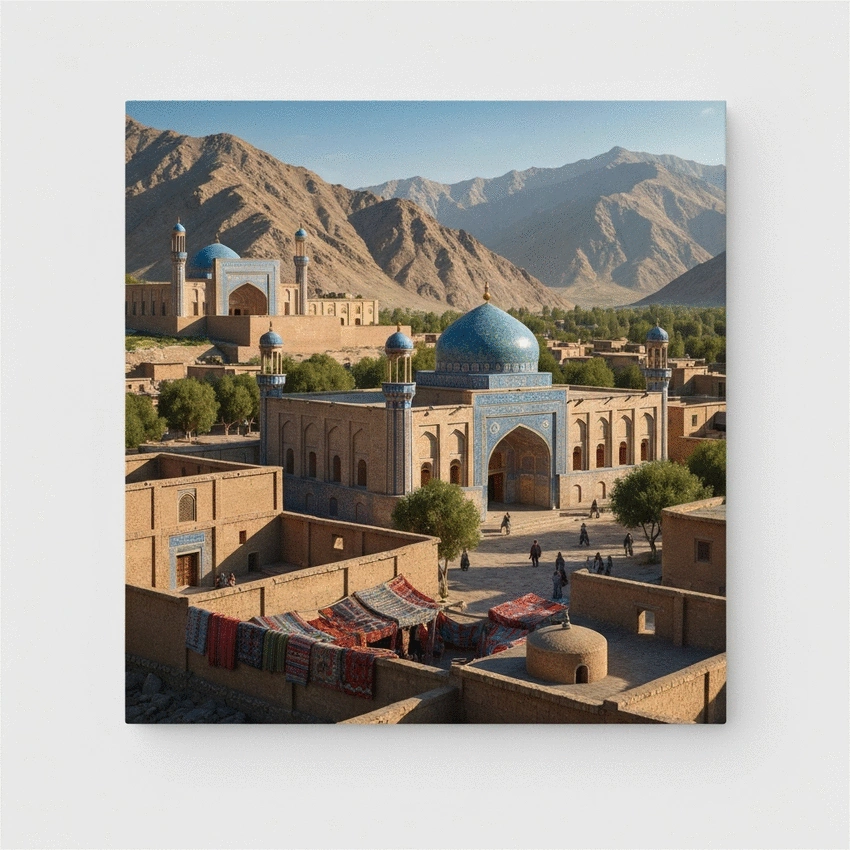
The influence of major empires, such as the Persian and Maurya, is evident in the architecture and cultural practices found in many provinces. Cities like Balkh, once a major center of trade, showcase remnants of their grand pasts in their ruins and historical sites. It's truly remarkable to see how these influences are woven into the fabric of local life.
In recent years, efforts to balance modern development with historical preservation have become crucial. Local communities are actively involved in these endeavors, ensuring that the legacies of their ancestors are not lost amid rapid change.
When exploring Afghanistan's provincial capitals, take the time to learn a few phrases in Dari or Pashto. Not only will this enhance your interactions with locals, but it can also show your respect for their culture, leading to more meaningful connections and experiences during your travels.
Afghanistan is a country where culture and history intertwine to create a narrative that is as diverse as its landscapes. Each province tells its own story, shaped by the myriad of ethnic groups that call this land home. Understanding this ethnic diversity is crucial as it greatly impacts the local cultures and traditions found throughout the provincial capitals.
As travelers, we are invited to explore these cultural tapestries and witness how they manifest in daily life, festivals, and even cuisine. Engaging with local customs not only enriches our understanding but also provides insights into the heart of Afghanistan’s identity.
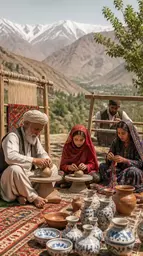
Afghanistan's heritage is like a beautiful quilt, stitched together by its various ethnic groups, including Pashtuns, Tajiks, Hazaras, and Uzbeks. Each group contributes their unique traditions, language, and customs that enhance the cultural richness of the provinces. For example, you might find traditional music, dance, and art that differ significantly from one capital to another, showcasing the vibrant identities within the nation.
Modern festivals in Afghanistan also play a vital role in connecting visitors with local culture. These events often feature traditional foods, music, and performances, allowing travelers to immerse themselves in the customs of each region. For instance, sampling delicious local dishes during these festivals can enhance your experience and deepen your appreciation for Afghan heritage.
Ethnic diversity profoundly influences the **provincial cultures**. Each ethnic group has its own customs and practices, allowing for a rich variety in art, music, and even social norms. By understanding these differences, we can appreciate how they contribute to the overall cultural landscape of Afghanistan.
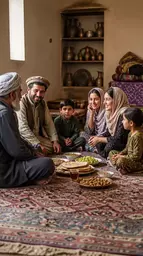
Festivals are not just occasions for celebration; they are windows into the soul of Afghanistan. Festivals such as Nawruz, the Afghan New Year, showcase the colorful traditions that unite people across different provinces. Food is a central part of these celebrations, offering a taste of Afghanistan's culinary diversity, from Kabuli pulao to mantu.
Language is a powerful tool for cultural expression. In Afghanistan, you’ll find several languages spoken across the provinces, with **Dari** and **Pashto** being the most prominent. Understanding a few common phrases can greatly enhance your interactions with locals and enrich your travel experience.
As you prepare for your journey through Afghanistan's provincial capitals, it’s essential to keep a few practical considerations in mind. Understanding the local landscape, culture, and safety measures can transform your trip from ordinary to extraordinary.
Safety is paramount when traveling in Afghanistan. Ensuring that you stay informed about local conditions and respecting cultural norms can help you navigate your journey successfully. It’s also wise to connect with local guides who can offer insights and facilitate a safe travel experience.
To explore Afghanistan’s rich geography, reliable maps are invaluable. At Afghanistan Map, we provide detailed maps and travel itineraries tailored to highlight both popular and lesser-known destinations. These resources can help you plan the best routes and maximize your experience in each provincial capital.
Visiting local markets is a must-do activity in each provincial capital. These vibrant spaces are filled with life and offer a treasure trove of local products, from traditional handicrafts to fresh produce. Engaging with vendors can provide an intimate glimpse into everyday Afghan life, showcasing the warmth and hospitality of the people.
Here is a quick recap of the important points discussed in the article:
By Khalid Rahimi / Oct 12
By Khalid Rahimi / Oct 03
By Khalid Rahimi / Sep 26