Afghan Markets: Carpets and Crafts
By Khalid Rahimi / Sep 13
In times of uncertainty, the power of music and dance becomes a beacon of hope, reflecting the spirit of a nation. How do these art forms shape cultural identity and foster community resilience? Dive into the vibrant world of Afghan traditions to uncover their profound significance.
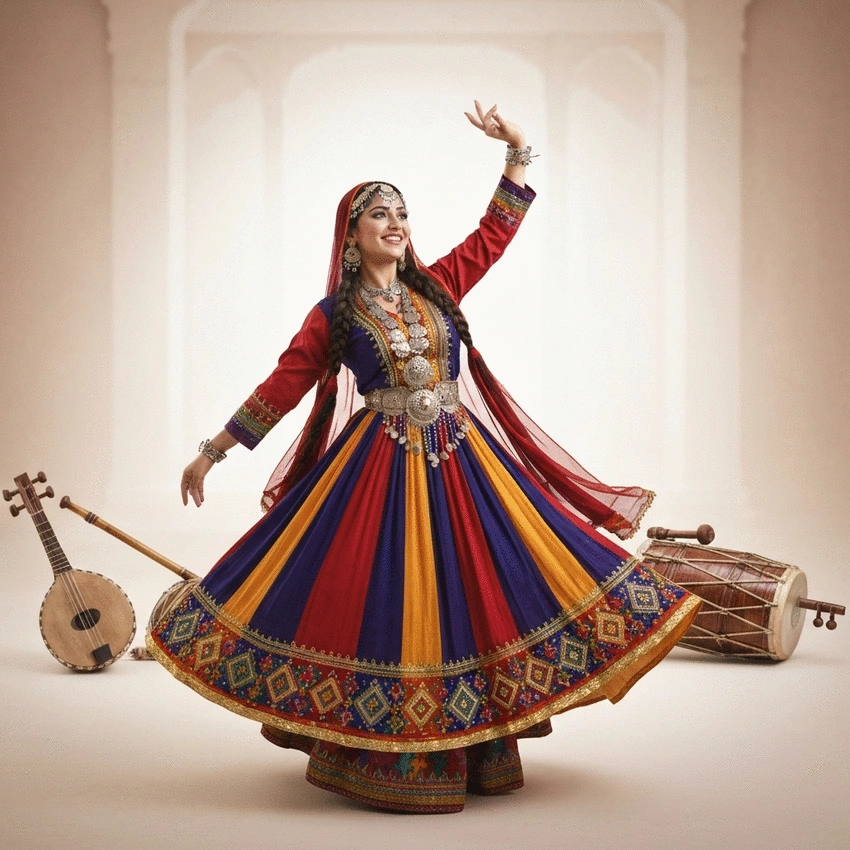
Music and dance are vital expressions of Afghan cultural identity and resilience. The visual below highlights key influences and the role of these art forms in community and tradition.
Lyrical themes from Persian poetry, Rubab instrument.
Dhol drum contributes to rhythmic complexity.
Each province adapts styles, creating diverse forms.
Music and dance are more than just art forms in Afghanistan; they are essential threads in the fabric of Afghan cultural identity. These expressions serve as a testament to the nation's resilience and history, offering a powerful means of connection among communities. As I explore these artistic traditions, I invite you to join me on this vibrant journey to uncover their significance.
Afghanistan's musical heritage is deeply rooted in its historical interactions with various cultures, particularly those from Persia and Central Asia. Traditional Afghan music, characterized by the use of unique instruments and distinct rhythms, reflects a rich tapestry of influences. For example, the rubab, a lute-like instrument, showcases the Persian impact, while the dhol drum highlights Central Asian elements.
Over centuries, these musical forms have evolved, retaining their core while adapting to new influences. As we delve into their origins, it's fascinating to see how historical events, such as the Silk Road exchanges, shaped not only the music but also the dance styles that accompany it, creating a blend that is uniquely Afghan.
This historical context enriches our understanding of how music and dance are not just entertainment but vital aspects of Afghan identity and heritage.
In times of hardship, music and dance emerge as potent forms of expression for the Afghan people. They serve as a means of unity, bringing communities together to share stories and emotions, especially in the face of adversity. During periods of conflict, these cultural practices have often provided a sense of hope and solace.
Consider how during celebrations, such as weddings or cultural festivals, music and dance become communal experiences that foster connection and joy. These gatherings are not only about entertainment; they represent a collective resilience that breathes life into the Afghan spirit, reminding us all of the strength found in unity.
Through these expressions, Afghans reaffirm their cultural identity and resilience, making music and dance integral to their way of life.
Folklore plays a crucial role in shaping the music and dance forms of Afghanistan. Traditional stories and legends are often woven into the melodies and choreography, creating a rich narrative tapestry. This interconnection ensures that cultural traditions are passed down through generations, preserving the essence of Afghan heritage.
In many cases, the themes of folklore reflect the values, struggles, and triumphs of the Afghan people. For instance, tales of love, bravery, and the beauty of the landscape are often celebrated in song and dance. By engaging with these stories, we not only honor the past but also keep the cultural identity alive for future generations.
As we explore Afghan music and dance, we find that they are not merely aesthetic expressions but also vital vessels for cultural preservation and community identity.
To gain a deeper appreciation of Afghan music and dance, consider reaching out to local Afghan communities or cultural organizations. Participating in workshops or classes can not only enhance your understanding of these art forms but also provide a personal connection to the stories and traditions behind them.
As we journey through the vibrant landscape of Afghan culture, it's clear that music and dance are not just art forms; they are essential expressions of our cultural identity and resilience. From the ancient rhythms of traditional folk music to the expressive movements of dance, these practices serve as vital links to our past and as a means to forge a sense of community in the present. The traditional forms of music and dance are crucial to understanding the cultural nuances of Afghanistan.
In times of hardship, Afghan music and dance become a source of strength. They foster connections among people, allowing for shared experiences that transcend individual struggles. Whether in the bustling streets of Kabul or the quiet villages in the provinces, one can witness how these cultural practices unite people in their shared heritage and history.
To truly appreciate the richness of Afghan music and dance, I encourage you to explore these forms through various multimedia resources and community events. Engaging with local performances, whether in person or via online platforms, can deepen your understanding of the cultural narratives they convey. Here are some ways you can get involved:
By immersing yourself in these cultural expressions, you not only honor the traditions of Afghanistan but also contribute to their preservation and celebration.
Traditional Afghan festivals play a crucial role in the preservation and celebration of our rich musical and dance heritage. These events, often vibrant and colorful, provide a platform for artists to share their talents and for communities to come together in joyous celebration. Notable festivals include:
These festivals not only highlight the diversity within Afghan music and dance but also reinforce community ties and cultural identity, making them essential to understanding the heart of Afghanistan.
Here is a quick recap of the important points discussed in the article:
By Khalid Rahimi / Sep 13
By Khalid Rahimi / Sep 06
By Khalid Rahimi / Sep 02