
Conserving Afghanistan's Endangered Wildlife
By Khalid Rahimi / Oct 12
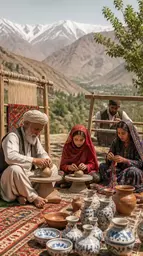
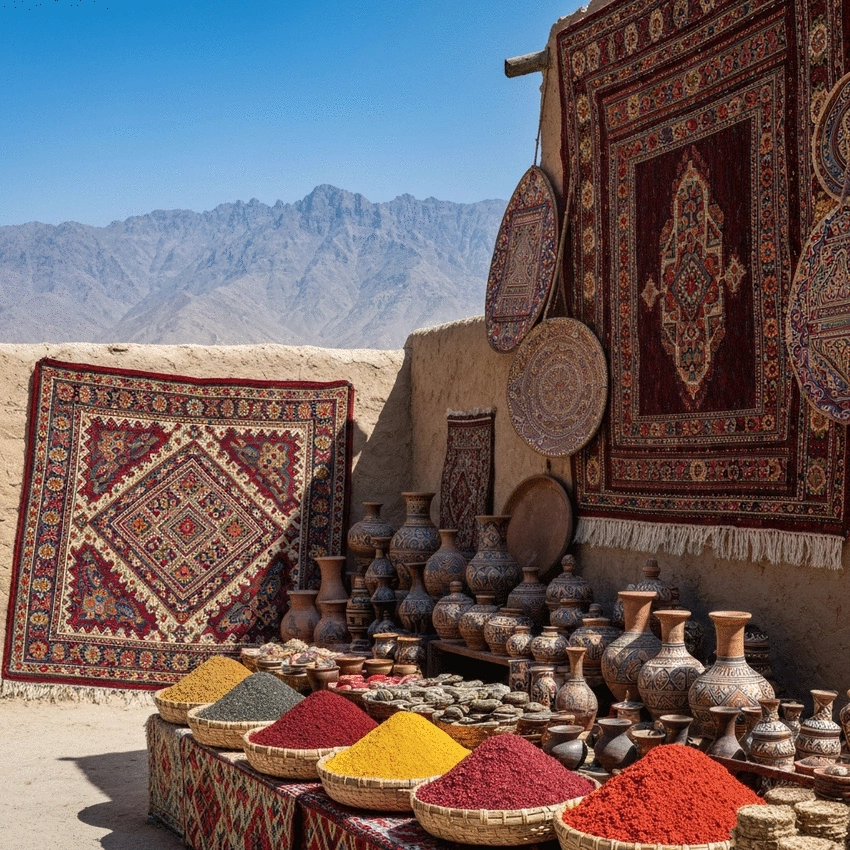
As you prepare to explore the intricate tapestry of Afghanistan's culture, consider how each interaction holds the potential for connection. The richness of local customs invites travelers to engage deeply, fostering a respectful and memorable experience. Here’s what you can learn about navigating the cultural landscape of this beautiful nation.
Navigating Afghan culture with respect involves understanding key areas like social interactions, greetings, and appropriate dress. This guide highlights essential "dos" and "don'ts" to foster meaningful connections.
Greetings like "Salam" are significant, often with a handshake among men. Elders and figures of authority are given special respect, indicating a clear social hierarchy. Observing and following the lead of locals is key.
Conservative clothing is highly recommended for both men and women. Long pants, shirts with sleeves, and loose-fitting attire are appropriate. Women may be expected to wear a headscarf in public, especially in more conservative areas.
When visiting Afghanistan, understanding cultural sensitivity is crucial. As a traveler, embracing and respecting the local customs can significantly enhance your interactions and experiences. The Afghan culture is deeply rooted in traditions and values, and showing respect for these norms can lead to warmer receptions and more meaningful connections with locals. For comprehensive guidance on the country's social and cultural context, you can refer to the EUAA Country Guidance on Afghanistan.
As I’ve learned through my journey exploring Afghanistan’s diverse landscapes and communities, even a simple greeting can speak volumes about your respect for their culture. This guide aims to equip you with the necessary insights to navigate this beautiful yet complex country with grace and understanding.
Cultural sensitivity goes beyond mere awareness; it’s about actively respecting and valuing the norms and traditions of the Afghan people. When you demonstrate awareness of their customs, you not only avoid misunderstandings but also create an atmosphere of trust and goodwill. This is particularly important in Afghanistan, where social dynamics play a critical role in daily life. Further insights into the country's human rights practices and social conditions are available in the 2023 Country Reports on Human Rights Practices for Afghanistan.
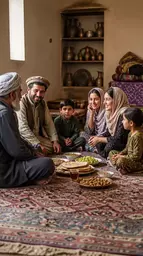
By practicing cultural sensitivity, you’ll find that the people of Afghanistan are warm and welcoming, eager to share their stories and traditions with you. Your journey will be filled with rich interactions that deepen your understanding of their way of life.
Many travelers often have questions regarding etiquette, safety, and cultural norms when planning a trip to Afghanistan. It’s natural to feel uncertain, but being prepared can help ease those worries. The primary concerns usually revolve around:
As you engage with the unique cultures of Afghanistan, keeping these concerns in mind will not only enhance your experience but also show your respect for the people and their traditions.
In understanding Afghan culture, greetings are more than just pleasantries; they are a significant part of social interactions. The common greeting is “Salam,” accompanied by a handshake, especially among men. However, it’s important to remember that physical contact may not be appropriate between men and women.
Recognizing these social nuances will greatly benefit your interactions with locals. It reflects your willingness to engage respectfully with their culture, fostering deeper connections during your travels.
Understanding the dress code in Afghanistan is vital for a respectful visit. Clothing plays a significant role in expressing cultural values, and adhering to the local norms can help prevent misunderstandings.
For both men and women, conservative clothing is highly recommended. This not only reflects respect for the local culture but also ensures that you feel comfortable while exploring the country. Here are some key guidelines:
In my travels, I’ve often opted for loose-fitting, long garments that allow for ease of movement while respecting local customs. This way, I can focus on enjoying the stunning landscapes and rich culture without feeling out of place.
Traditional dress in Afghanistan carries deep cultural significance. For women, wearing a headscarf is often expected in public spaces. It’s a symbol of modesty and respect. Here’s what to keep in mind:
By embracing these clothing customs, you’re not just following a dress code; you’re also participating in a cultural dialogue that honors Afghanistan’s rich heritage.
What aspect of Afghan culture are you most excited to explore during your travels? Share your thoughts with us:
As I’ve explored Afghanistan’s diverse landscapes and rich heritage, I've come to realize that respecting cultural etiquette is vital for a meaningful visit. Understanding the local customs not only fosters respect but also enriches interactions with the warm and welcoming Afghan people. Adopting these practices can help bridge cultural gaps and create a more immersive experience. For specific directives and decrees that impact daily life and interactions, consult the ACAPS Thematic Report on Afghanistan.
Travelers should remember that every gesture counts—whether it’s greetings, dressing appropriately, or showing respect for traditions. By embracing these cultural insights, visitors can truly appreciate the beauty and depth of Afghanistan’s heritage.
Afghanistan is a land filled with stories, traditions, and a cultural richness that invites exploration. As you embark on your journey, I encourage you to approach each experience with an open heart and mind. Being mindful of local customs will not only enhance your adventure but also demonstrate your respect for a culture that is often misunderstood.
Engaging with locals, participating in traditions, and appreciating the nuances of their daily lives will leave a lasting impact. Embrace this journey into the heart of Afghanistan, and cherish the moments that connect us all through shared humanity!
To help you prepare for your trip, here’s a handy checklist of dos and don’ts that will ensure a respectful journey through Afghanistan:
Following these guidelines will not only make your visit more enjoyable but will also show your appreciation for Afghanistan's incredible culture. Remember, cultural sensitivity goes a long way in building meaningful connections!
I invite you to embrace the opportunity for cultural exchange during your travels. Each interaction is a chance to learn and share, whether it’s through conversations with locals or trying out traditional dishes. As you navigate through this stunning country, take the time to reflect on your experiences and share them with others in a way that honors the traditions and customs you encounter.
Your journey in Afghanistan can become a beautiful tapestry of shared stories and connections, creating a network of respectful cultural appreciation. Let’s work together to foster understanding and celebrate the rich heritage of this remarkable nation!
Here is a quick recap of the important points discussed in the article:
By Khalid Rahimi / Oct 12
By Khalid Rahimi / Oct 03
By Khalid Rahimi / Sep 26