Conserving Afghanistan's Endangered Wildlife
By Khalid Rahimi / Oct 12
The cultural landscape of Afghanistan is as rich as its history, woven together by the diverse tribes that inhabit its provinces. Each community brings its unique customs and traditions, creating a vibrant tapestry that reflects resilience and unity. Here are the key insights you can gain from this exploration of Afghan culture.
Delve into the vibrant mosaic of Afghan culture, highlighting the prominence and unique contributions of its diverse ethnic groups.
Largest ethnic group, backbone of culture, known for Pashtunwali code (honor, hospitality, justice). Rich oral traditions.
Significant influence on poetry, music, visual arts. Dari language. Vibrant festivals and traditional dances.
Reside in central highlands. Distinct facial features and traditions. Celebrate Nowruz festival.
Elaborate traditional clothing, distinctive music, culinary flavors. Known for intricate carpet weaving.
Afghanistan is a captivating tapestry of cultures that reflects its rich history and diverse ethnic groups. As I delve into this intriguing landscape, I find that the cultural diversity in Afghanistan is not just a matter of different traditions but also a living narrative of the people who call this land home. Each tribe contributes its unique thread to the overall fabric, and understanding these communities offers a profound insight into the heart and soul of Afghanistan.
From the bustling markets of Kabul to the serene valleys of Bamyan, the cultural expressions of Afghanistan are vibrant and varied. Each province showcases its own customs and heritage, reminding travelers and locals alike of the beauty contained within this remarkable nation. Let’s explore the ethnic mosaic of Afghanistan by uncovering the key tribes that shape this diverse landscape.
Afghanistan is home to numerous ethnic groups, each with its own customs and traditions. Here are some of the most notable tribes:
Each of these tribes plays a pivotal role in shaping the cultural landscape of Afghanistan. As we continue our journey, it's essential to appreciate how their distinct customs and traditions contribute to the overall diversity of Afghan society.
The Pashtuns, widely recognized as the largest ethnic group in Afghanistan, are deeply rooted in their traditions. Their customs revolve around the Pashtunwali code, which emphasizes honor, hospitality, and justice. As I travel through the southern provinces, I am often greeted with warmth and open arms, experiencing firsthand the famed Pashtun hospitality.
Notably, their rich oral traditions, including storytelling and poetry, reflect their values and history. The Pashtun cultural landscape is not just about survival; it embodies a deep connection to their land and heritage, making it a vital part of Afghanistan’s identity.
In the northern provinces, the Tajiks stand out as the cultural heartbeat of Afghanistan. Known for their artistic expressions, the Tajiks have significantly influenced Afghan poetry, music, and visual arts. Their language, Dari, serves as a bridge between various Afghan communities and is a testament to the rich literary history that thrives in this region.
Their vibrant festivals often celebrate the changing seasons, showcasing traditional dances and delicious food. This cultural vibrancy reminds us that the Tajiks play a crucial role in preserving the essence of Afghan heritage.
The Hazaras, residing predominantly in the central highlands, manifest a unique identity shaped by their history and resilience. Their distinct facial features and traditions add to the colorful tapestry of Afghanistan. Celebrating the Nowruz festival with vibrant festivities, the Hazaras maintain a rich cultural heritage despite facing challenges over the years.
As I venture through their lands, the warmth of their community and the depth of their stories resonate with me, showcasing the rich history that has defined their existence.
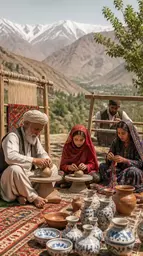
In northern Afghanistan, Uzbeks and Turkmens contribute significantly to the cultural mosaic. Their elaborate traditional clothing, distinctive music, and culinary flavors reflect their rich heritage. I am always amazed by the elaborate carpets that tell stories through intricate designs, a symbol of their artistry and craftsmanship.
Both groups celebrate their unique customs while fostering a sense of community, demonstrating how cultural diversity thrives in this region.
The Baloch and Aimaq tribes, while lesser-known, enrich the cultural landscape of Afghanistan with their unique customs and traditions. They often inhabit the southwestern parts of the country, where their nomadic lifestyle intertwines with the landscape. As I explore their territories, I find myself captivated by their vibrant music and storytelling traditions.
These tribes remind us that Afghanistan's cultural diversity extends beyond the more commonly recognized groups, inviting exploration and appreciation of the rich histories they carry.
The Nuristani and Pashayi tribes, located in the eastern mountains, are known for their unique languages and cultural practices. Their heritage is steeped in folklore, with stories that reflect their connection to the surrounding natural beauty. As I engage with the communities, I notice how their traditions are celebrated through dance and music, offering a glimpse into their vibrant cultural life.
The distinctiveness of these tribes adds yet another layer to Afghanistan's diverse cultural fabric, showcasing the deep-rooted traditions that persist amid change.
Everyday life in Afghanistan is imbued with customs that stem from its rich cultural heritage. The sense of community and the importance of traditions can be seen in various aspects of daily life.
As I explore these traditions, I am reminded of their significance in maintaining cultural continuity and fostering community bonds across Afghanistan.
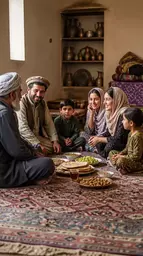
In Afghanistan, hospitality is not merely a gesture; it is a deeply ingrained principle that defines social interactions. When visiting a home, it is customary to be welcomed with tea and sweet treats, symbolizing friendship and respect. This practice transcends social boundaries and reflects the unity among diverse tribes. I have always cherished these warm encounters, as they reveal the generosity and kindness of the Afghan people.
Hospitality goes beyond mere food and drink; it embodies a profound cultural ethos that invites individuals into the heart of Afghan society.
Afghan cuisine is a delicious celebration of flavors, with each dish telling a story of its cultural origins. Traditional meals like plov (rice with meat) and mantu (dumplings) are more than just sustenance; they are a reflection of the communal spirit and the importance of family meals.
As I share these meals with friends and family, I am always reminded of how food serves as a bridge between cultures, bringing together people from different backgrounds to celebrate Afghan unity.
The richness of Afghan culture is perhaps best illustrated through its artistic expressions. Music, dance, and poetry are integral parts of celebrations and everyday life. The profound verses of Afghan poets resonate deeply, often addressing themes of love, nature, and loss. When I listen to traditional Afghan music, I am transported to a world where stories are woven into melodies, celebrating the beauty and struggles of life.
Dance forms, such as the Attan, showcase the vibrant spirit of the Afghan people, with each movement embodying their history and identity. These artistic expressions are essential in preserving culture and fostering a sense of belonging.
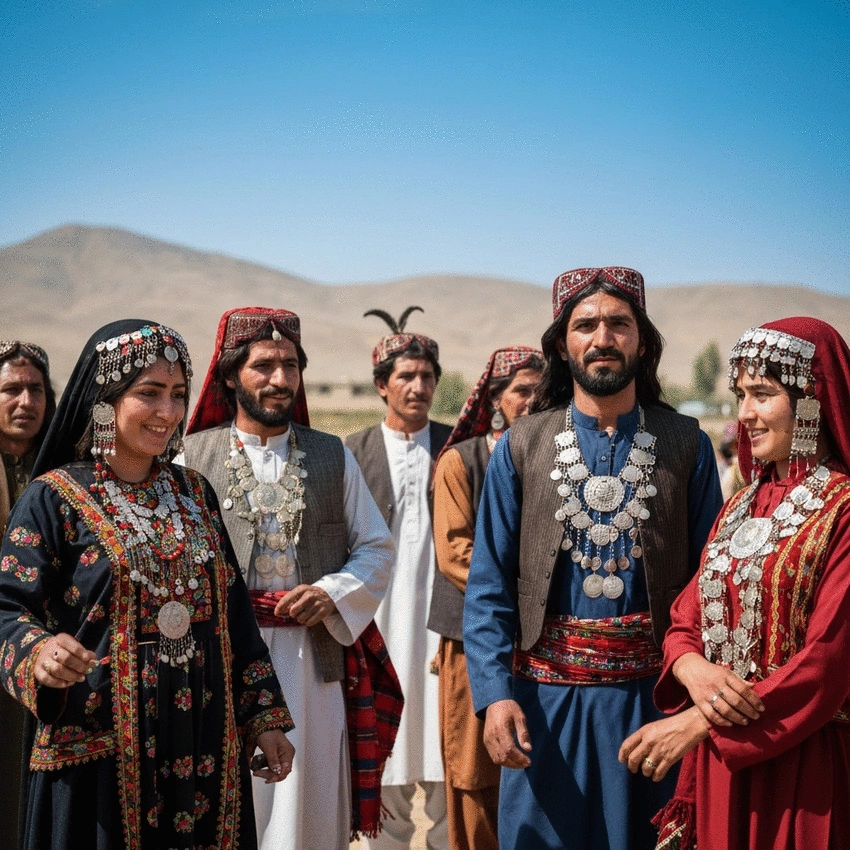
Afghan traditional clothing is rich in symbolism, reflecting the identity of each ethnic group. From the intricately embroidered dresses of the Tajik women to the colorful shawls of the Pashtuns, these garments tell stories of heritage and pride. I find the diversity of clothing styles fascinating, as they embody the values and customs of different communities.
Wearing traditional clothing during festivals and special occasions is not just about appearance; it is a way of honoring one’s heritage and fostering a sense of unity among people.
Folklore and storytelling are vital in preserving the cultural identity of Afghan tribes. Through oral traditions, stories of heroes, legends, and historical events are passed down from generation to generation. These narratives, often infused with moral lessons, shape the values and beliefs of the community.
As I engage with elders and listen to their stories, I am reminded of the power of storytelling in forging connections and keeping cultural memories alive. It’s a beautiful reminder that each story contributes to the rich tapestry of Afghan culture.
The religious and historical context of Afghanistan significantly influences its cultural practices. The predominant role of Islam, alongside various cultural narratives, shapes the daily lives of Afghan people.
Understanding these elements is crucial for grasping the complexities of Afghan cultural practices and the resilient spirit that characterizes its people. Afghanistan is also recognized by organizations like UNESCO for its significant cultural sites, highlighting the global importance of its heritage. Furthermore, efforts to protect and preserve this rich heritage are continuously underway, as detailed in reports such as the Cultural Heritage Preservation report by the University of Chicago.
Islam plays a central role in the daily lives of Afghans, influencing not only religious practices but also cultural expressions. The coexistence of Sunni and Shia communities creates a rich tapestry of spiritual practices that are reflected in local customs and gatherings. Throughout my travels, I have seen how this diversity fosters a unique sense of identity while promoting mutual respect.
These varied practices serve as a reminder that the essence of Afghan culture lies in its ability to embrace differences while maintaining a common thread of faith.
Afghanistan's history as a crossroads of civilizations is etched in the stories of the Silk Road. This ancient trade route brought various cultures together, influencing art, language, and traditions. I often reflect on how these historical narratives weave through the lives of Afghans today, connecting them to a legacy that is both rich and complex.
Nomadic traditions also play a significant role in shaping cultural practices, as they highlight a lifestyle that values mobility, community, and resilience.
Despite decades of conflict, the Afghan people have shown remarkable resilience in preserving their cultural heritage. As I navigate through different provinces, I witness efforts to keep traditions alive, even amidst adversity. Cultural festivals, local art, and storytelling continue to flourish, reminding us of the enduring spirit of Afghan society.
This ongoing journey of cultural preservation underscores the importance of respect and appreciation for Afghanistan’s diverse heritage. As we explore these traditions, it's vital to acknowledge the challenges faced while celebrating the triumphs of the Afghan people.
The cultural variations across Afghanistan's provinces reveal the rich tapestry of traditions that define each region. As I travel from one province to another, I am continuously amazed by the unique customs and practices that differentiate them.
These regional insights remind us that each province contributes to the overall narrative of Afghanistan, inviting further exploration and understanding of its cultural richness.
Kandahar, the historical heart of the Pashtun community, is a treasure trove of customs and traditions. The stories of valor and hospitality resonate throughout the city, where local markets and bazaars buzz with vibrant energy. As I walk through its streets, I am often struck by the strong sense of identity and pride among the Pashtun tribes, who maintain their cultural practices even in the face of change.
This city is not just a geographical location; it’s a living testament to the resilience and cultural richness that defines the Pashtun people.
Bamyan is a region that speaks volumes about the Hazara identity, beautifully encapsulated in its festivals and traditions. The Nowruz celebrations, in particular, showcase the vibrant culture of the Hazaras, with colorful attire, traditional music, and dances that bring the community together. I find it heartwarming to witness how these festivals foster unity and pride among the people, despite the challenges they have faced.
The stunning landscapes of Bamyan, once home to monumental Buddha statues, also remind us of the rich history that weaves through the lives of the Hazara people.
In Helmand, the unique Pashtun traditions coexist with the pressures of modernization. This province is a fascinating blend of ancient customs and contemporary influences. As I connect with local communities, I observe how cultural practices adapt while maintaining their core values. The resilience of the Pashtun identity in Helmand is a testament to the enduring spirit of Afghan culture.
These evolving traditions highlight the dynamic nature of Afghan society, where heritage continues to thrive amid change.
The contrast between urban and rural cultures in Afghanistan is striking. In urban centers like Kabul, modern influences and globalization are more evident, while rural areas maintain traditional practices that have been passed down through generations. I find it fascinating how both settings contribute to the overall cultural identity of Afghanistan, each with its own unique narrative.
This diversity within urban and rural contexts illustrates the multifaceted nature of Afghan culture, inviting further exploration and appreciation of its richness.
The influence of youth and the Afghan diaspora is shaping the cultural landscape in contemporary Afghanistan. As I engage with the younger generation, I see a vibrant blend of traditional values and modern perspectives.
This dynamic interaction between tradition and modernity highlights the evolving nature of Afghan culture, where the past and present coexist in a rich, continuous narrative.
The revival of artisanal crafts among Afghan youth is a heartening trend. As I explore local markets, I discover young artisans passionately creating beautiful handmade items that reflect their heritage. This resurgence is not just about preserving traditions; it's also about empowering communities and providing economic opportunities. I often find myself inspired by their creativity and commitment to keeping their culture alive.
Through these crafts, the youth are not only honoring their ancestors but also sharing Afghanistan's rich cultural legacy with the world.
Afghan youth today are adept at blending their rich traditions with modern influences. As I interact with them, I see how they creatively reinterpret cultural practices, ensuring their relevance in a fast-changing world. From music to fashion, the youth are reimagining what it means to be Afghan, fostering a sense of pride in their heritage while embracing contemporary ideas.
This adaptability signifies a vibrant cultural dynamism, where tradition evolves and thrives in the hands of the next generation.
The Afghan diaspora plays a crucial role in shaping cultural identity both within Afghanistan and abroad. As I engage with Afghans living in different countries, I notice how they maintain connections to their roots while embracing new cultures. The stories they share about their experiences reflect a deep sense of belonging and pride in their heritage.
This interaction between the diaspora and those still in Afghanistan enriches the cultural narrative, highlighting the resilience and adaptability of Afghan identity.
When exploring the rich cultural diversity of Afghanistan, consider engaging with local communities to gain firsthand insights into their traditions. Participating in festivals or sharing meals can deepen your understanding and appreciation of their customs. Remember, every encounter is an opportunity to learn and connect with the heart of Afghan culture.
In Afghanistan, the preservation of our rich cultural heritage is a communal effort, deeply intertwined with the lives of its people. The continuity of cultural diversity in Afghanistan relies heavily on the contributions of women, who are often the backbone of tradition and identity within their communities. From storytelling to culinary practices, the roles women play are vital in keeping our cultural tapestry vibrant and alive.
As I explore the provinces of Afghanistan through my work at Afghanistan Map, I am continually inspired by the strength and resilience of Afghan women. They are not just participants in cultural practices; they are the custodians of our stories, customs, and traditions that have been passed down through generations.
Women across various tribes in Afghanistan engage in gender-specific customs that highlight their unique roles within their communities. These customs serve not only to preserve our cultural identity but also to foster a sense of belonging among members of each tribe.
Through these customs, women not only keep our traditions alive but also shape the cultural landscape of Afghanistan. Their unwavering commitment to preserving our heritage enriches the identity of each ethnic group.
The stories of women in Afghanistan are as diverse as the land itself. Each woman carries her heritage through various forms of expression, whether it’s in their cooking, art, or music. Take, for instance, the stories of women who lead community gatherings, where they share folktales that reflect our histories and values.
As a cultural enthusiast, I often find myself captivated by these narratives that embody the spirit and resilience of Afghan society. These stories are not just tales; they are the lifeblood of our cultural continuity.
In recent years, the roles of Afghan women have evolved significantly, influenced by both internal and external factors. Today, women are stepping into more prominent roles as advocates for their rights and cultural practices. This shift is crucial, as it empowers women to actively participate in the preservation of traditions while asserting their identities within a changing society. Information on the human rights situation, including women's rights, can be found in the 2023 Country Reports on Human Rights Practices for Afghanistan.
The journey towards greater rights and representation is ongoing, and the contributions of women in maintaining cultural diversity are invaluable. By supporting their efforts, we can ensure that the rich tapestry of Afghan culture continues to thrive.
Maps and infographics are powerful tools for visualizing Afghanistan's cultural diversity. They allow us to grasp the complexity of our tribal landscapes and the intricate relationships between different groups. At Afghanistan Map, I often use these tools to help readers better understand the connections between geography and culture, illuminating how our diverse communities coexist.
Creating interactive elements enhances the learning experience, offering a deeper appreciation for the rich cultural mosaic that defines Afghanistan.
Incorporating interactive maps can significantly enhance our understanding of cultural diversity. They allow viewers to explore the distribution of various tribes, their customs, and the unique characteristics that define each community.
Imagine clicking on a region to discover the traditional clothing, festivals, and art forms associated with that specific area! It brings our cultural heritage to life in a way that words alone cannot.
Infographics serve as an effective way to compare customs across ethnic groups. For instance, using visual representations to showcase differences in culinary practices or traditional clothing among tribes can be incredibly enlightening. These visuals not only educate but also foster a sense of curiosity and respect for the diversity that exists within Afghanistan.
By utilizing these tools, we can better appreciate the intricate layers that make up our cultural identity.
Community structure plays a pivotal role in shaping the cultural landscape of Afghanistan. Our social hierarchies influence how tribes interact, govern, and preserve their traditions. At Afghanistan Map, I strive to shed light on these dynamics, as they are essential to understanding the context of our cultural practices.
Social hierarchies within tribes dictate not only leadership roles but also the dissemination of cultural practices. Elders often hold significant influence, guiding the younger generations in maintaining traditions and customs.
Understanding these structures helps us appreciate how cultural practices are preserved and transformed over time, ensuring that our heritage remains relevant in a modern world.
Local customs and governance are intertwined, forming the foundation of Afghan society. They dictate how decisions are made and how cultural practices are upheld. From community councils to traditional gatherings, these practices foster unity and cooperation among tribal members.
As we delve into these aspects, we uncover the essence of what it means to be part of the diverse tapestry of Afghan culture.
Here are some common questions about Afghanistan's rich cultural landscape:
Here is a quick recap of the important points discussed in the article:
By Khalid Rahimi / Oct 12
By Khalid Rahimi / Oct 03
By Khalid Rahimi / Sep 26