Conserving Afghanistan's Endangered Wildlife
By Khalid Rahimi / Oct 12
As we explore the intricate cultural tapestry of Afghanistan, it’s essential to appreciate the depth of ethnic diversity that shapes this beautiful nation. Each ethnic group brings unique traditions and histories, contributing to a shared identity that highlights the richness of Afghan culture.
The cultural richness of Afghanistan is profoundly shaped by its diverse ethnic groups. The visual below highlights the primary ethnic groups and their approximate population percentages, offering a snapshot of this vibrant mosaic.
Primarily in the south and east.
Mainly in the north and west.
Predominantly in the central highlands.
Mostly in the northern provinces.
Afghanistan is a vibrant tapestry of cultures woven together by its incredible ethnic diversity. Understanding this rich mosaic is essential for anyone passionate about exploring the country’s heritage, just as I have during my travels. In this section, we’ll delve into Afghanistan's ethnic composition, highlighting the prominent groups and their unique influences on the nation’s cultural landscape.
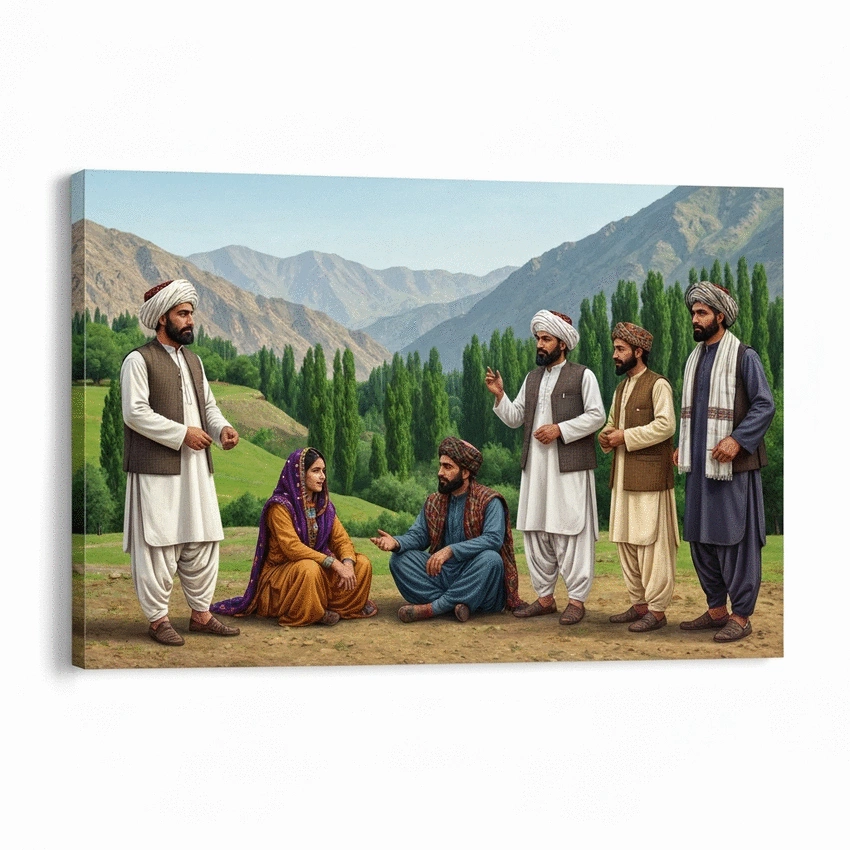
The primary ethnic groups that shape Afghanistan include the Pashtuns, Tajiks, Hazaras, and Uzbeks. Together, these groups represent a significant majority of the population, as detailed by sources like Wikipedia's demographics of Afghanistan:
This ethnic distribution reflects not only a variety of languages and traditions but also the profound impact of geography on cultural identities. Each group enriches the national narrative, contributing to a diverse cultural heritage that is both complex and beautiful!
In addition to the major groups, Afghanistan is home to several lesser-known ethnic communities, including the Baloch, Aimaq, and Nuristani. These groups, while smaller in population, play crucial roles in the country’s cultural fabric, contributing to the broader picture of minority rights in Afghanistan:
By examining these ethnic groups, we can appreciate the rich diversity that exists beyond the more recognized populations. Each group has its own stories, traditions, and contributions, which collectively enhance Afghanistan’s cultural landscape!
To truly understand Afghanistan's ethnic diversity, we must consider its historical migrations and interactions. Throughout centuries, various empires and traders traversed the region, leaving behind a rich tapestry of shared ancestry:
This genetic diversity has resulted in a complex cultural identity that reflects the myriad influences that have shaped the region. By exploring these historical pathways, we gain insight into how the people of Afghanistan have adapted and thrived, enriching their cultural identities in the process! Our understanding of the cultural and religious landscape is further enhanced by reports such as the 2022 Report on International Religious Freedom in Afghanistan.
To deepen your understanding of Afghanistan's ethnic diversity, consider engaging with local communities through cultural exchange programs. These experiences not only enrich your knowledge but also foster connections that transcend ethnic boundaries, allowing for a more holistic appreciation of the country’s vibrant cultural landscape.
As we reflect on the vibrant tapestry of Afghanistan's cultural landscape, it becomes clear that ethnic diversity plays a pivotal role in shaping our identity as a nation. Each ethnic group contributes unique traditions, languages, and histories that enrich the lives of all Afghans. Recognizing and appreciating these differences is essential for fostering a sense of unity and understanding among our diverse communities.
In reviewing the various ethnic groups, their contributions, and the historical context of their coexistence, we appreciate the strength found in diversity. It is a reminder that through our differences, we can create a more inclusive society that honors the rich cultural heritage of Afghanistan.
We encourage you to dive deeper into Afghanistan's rich cultural diversity! There are countless ways to engage with and support our communities:
By immersing ourselves in these experiences, we not only learn but also help bridge the gaps between our communities, fostering a spirit of unity and respect.
Ongoing discussions about ethnic diversity and cultural identity in Afghanistan are more important than ever. Open dialogues can illuminate our shared heritage and encourage collaboration across different groups. I believe that asking questions and seeking to understand each other's stories can cultivate empathy and respect.
As we move forward, I invite you to join me in sharing your insights and experiences related to Afghan culture. Engaging in these conversations can help build a sense of belonging and community among us all!
To create a harmonious society, it's vital to address the ethnic tensions that exist within our communities. Here are some strategies that can help foster social cohesion:
In conclusion, by focusing on dialogue and cultural exchange, we can work towards resolving conflicts and celebrating the unique contributions of every ethnic group in Afghanistan. Together, let's embrace our differences and create a more inclusive future for all.
Here is a quick recap of the important points discussed in the article:
By Khalid Rahimi / Oct 12
By Khalid Rahimi / Oct 03
By Khalid Rahimi / Sep 26