
Conserving Afghanistan's Endangered Wildlife
By Khalid Rahimi / Oct 12
Have you ever wondered what makes Afghan weddings so vibrant and culturally rich? Each ceremony is not just a celebration of love but a tapestry woven with traditions that reflect the essence of Afghan heritage.
Afghan weddings reflect a rich tapestry of traditions, with regional variations highlighting the country's diverse cultural landscape.
Weddings in Afghanistan are not merely a union between two individuals; they are a vibrant celebration that embodies the essence of Afghan culture. These ceremonies are deeply rooted in community values, where family ties and respect for traditions are paramount. From the colorful festivities to the heartfelt rituals, each wedding tells a story of love, unity, and shared heritage. As someone who has explored Afghanistan's diverse cultural landscape, I can attest to the profound significance these celebrations hold for the Afghan people.
In many Afghan communities, weddings serve as a pivotal opportunity for families and friends to come together, reinforcing social bonds and cultural identity. The elaborate festivities reflect not just personal joy, but also a collective celebration of heritage, underscoring the importance of familial connections. For a deeper understanding of the diverse wedding ceremonies in Afghanistan, Wikipedia offers a comprehensive overview.
Afghan weddings are rich in symbolism and tradition, representing much more than just a legal contract. They are a rite of passage, often involving elaborate customs that vary from region to region. Here are some key aspects that highlight their cultural significance:
As I delve into these traditions, it becomes evident that Afghan weddings are a beautiful reflection of the country's rich history and cultural values. Each element, from the attire to the rituals, is designed to honor the past while celebrating the future.
While the core values surrounding weddings remain consistent across Afghanistan, the customs themselves can vary greatly depending on the region. This diversity adds layers of complexity to the celebration, making each wedding unique and captivating. The following sections will explore the distinct practices of various Afghan communities:
Pashtun weddings are known for their vibrant celebrations and extensive rituals. These weddings often begin with a formal engagement, or khwara, which sets the foundation for the union. Key features of Pashtun weddings include:
As I reflect on Pashtun weddings, the sense of community and joy that envelops these events is truly palpable, making them an unforgettable experience.
In contrast, Hazara weddings are marked by their unique customs and vibrant symbolism. Significant practices include:
These distinct practices not only celebrate the couple but also serve to honor the community's heritage and history.
Uzbek and Tajik weddings showcase a fascinating blend of shared and unique elements. Common features include:
Examining these variations offers insight into how geography and history shape the wedding customs of the Afghan people.
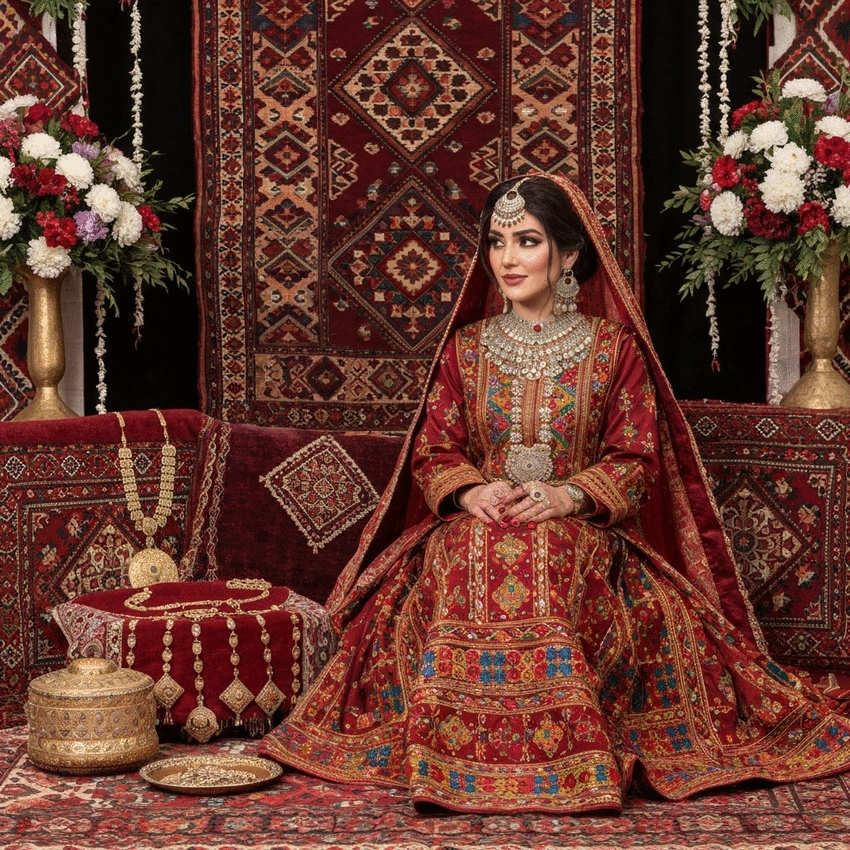
Afghan weddings are visually stunning, with attire and colors that carry deep cultural significance. The choices made in clothing and decoration reflect values, hopes, and traditions that have been cherished for generations.
Colors play a critical role in Afghan weddings, each hue symbolizing different aspects of life and prosperity. For instance:
Understanding these meanings helps us appreciate the thought and intention behind every element of the wedding.
The bridal dress is often a masterpiece that reflects the bride's cultural heritage. Traditional attire may include:
Each piece of bridal attire tells a story, connecting the bride to her past and her future.
Like brides, grooms also have traditional attire rich in symbolism. Common elements include:
Each detail in the groom's attire reflects the cultural values and aspirations of the families involved.
The heart of Afghan weddings lies in the various ceremonies that unfold, each brimming with unique customs and traditions that hold deep emotional significance.
One of the most joyous pre-wedding events is the Henna Night, or Khina Night. This celebration involves:
It is a night filled with laughter, anticipation, and the promise of new beginnings.
The Nikah ceremony is the essence of Afghan weddings, where the couple enters a sacred contract. Key aspects include:
This ceremony not only marks the couple's legal union but also encapsulates their spiritual bond.
The Walimah is a grand celebration following the Nikah, symbolizing hospitality and community. It typically includes:
These receptions strengthen community ties and allow everyone to partake in the couple's happiness.
The culinary delights at Afghan weddings are a celebration in their own right. Popular dishes often served include:
These traditional dishes not only satisfy the palate but also connect guests to the cultural heritage of Afghanistan through food.
As Afghanistan continues to evolve, so too do its wedding customs. Understanding these modern adaptations reveals the dynamic nature of Afghan culture.
The bride price tradition, known as mahr, has sparked discussions within Afghan communities. Key points to consider include:
These discussions reflect broader societal changes and varying perspectives on cultural practices, including complex issues such as forced marriage in Afghanistan. Further academic insights into the societal implications of marriage practices in Afghanistan can be found through resources like PMC NCBI.
Afghan communities abroad are adapting their wedding customs to fit their new cultural contexts. Notable influences include:
Observing these adaptations offers a fascinating glimpse into how cultural identity is preserved and transformed across generations.
Beyond the celebrations, the rituals performed during Afghan weddings hold deep emotional significance, connecting couples to their families, communities, and heritage.
Two significant symbols in Afghan weddings are the Quran and the mirror, each rich in meaning. Key aspects include:
These rituals deepen the connection between the couple and their shared values.
Music and dance are vital components of Afghan weddings, heightening the celebratory atmosphere. Notable elements include:
These elements create an environment of joy and connection, making each wedding memorable.
The Attan dance is a traditional Pashtun dance integral to Afghan weddings, embodying unity and joy. Its significance includes:
As couples take their first steps as husband and wife, the Attan dance becomes a symbol of their shared journey, filled with love and community support.
When attending an Afghan wedding, embrace the vibrant customs by participating in traditional dances like the Attan. Not only does it add to the festive atmosphere, but it also helps you connect with the joy and spirit of the celebration. Don’t hesitate to try the local dishes—each bite is a taste of Afghan culture!
Afghan weddings are primarily a celebration of community engagement, reinforcing family ties and cultural identity through vibrant festivities and adherence to age-old traditions.
Wedding customs differ significantly across regions. For example, Pashtun weddings are known for their vibrant celebrations and extensive rituals like the khwara, while Hazara weddings feature unique practices such as the groom's rehearsal and grand bridal processions. Uzbek and Tajik weddings blend shared traditions with distinct clothing and culinary styles.
Colors in Afghan wedding attire carry deep cultural meanings: red symbolizes love, excitement, and prosperity; green signifies paradise and a hopeful future; and white is associated with purity and new beginnings.
Key ceremonies include the Henna Night (Khina Night) for pre-wedding celebrations, the Nikah ceremony for the sacred union, and the Walimah, which is a grand reception feast following the Nikah.
The Afghan diaspora has led to modern adaptations in wedding customs, often blending traditional Afghan elements with contemporary Western practices. These adaptations aim to preserve cultural significance while embracing new ideas, and community celebrations often serve to connect individuals with their Afghan heritage.
Afghan weddings are a kaleidoscope of traditions, emotions, and communal values. As I explore these magnificent celebrations, many often ask, "What should one expect at an Afghan wedding?" The answer is as rich and varied as the country itself! Here are some common questions that frequently arise:
Understanding these aspects not only prepares you for the event but also deepens your appreciation for the cultural tapestry that is Afghan weddings. Each celebration is a unique story waiting to unfold, marked by traditional music, jubilant dances, and an abundance of delicious food!
Weddings serve as a beautiful entry point to engage with Afghan culture. I invite you to embrace the vibrant customs that unfold during these celebrations! For instance, have you had the chance to participate in a traditional Afghan wedding? If so, I'd love to hear your stories. Wedding traditions in Afghanistan invite us to share in the joy of the union while respecting the history behind each ritual.
By sharing in these moments, we connect not only with the Afghan people but also with the universal themes of love and community that transcend borders.
In summary, Afghan weddings are distinguished by their deep-seated values of hospitality and respect. Reflecting on these traditions, I am often reminded of the familiar warmth that accompanies gatherings in my own culture. How do these customs resonate with your experiences? Many of us have moments that echo the essence of Afghan weddings, whether through the generosity of hosting family or the joy of shared celebrations.
As we look closely at the values embedded in these ceremonies, they remind us of our own connections to family and community.
Family involvement is not merely a tradition; it is the lifeblood of Afghan weddings. Families take on multiple roles, from organizing the festivities to participating in rituals that bind the couple and their families together. Imagine the joy that fills the air when everyone contributes to the preparations! This shared effort reinforces ties between families and strengthens community bonds.
In essence, the significance of family in Afghan weddings cannot be overstated. Their participation elevates the event, making it not just a celebration of love but a communal affair that honors traditions and builds lasting relationships.
Here is a quick recap of the important points discussed in the article:
By Khalid Rahimi / Oct 12
By Khalid Rahimi / Oct 03
By Khalid Rahimi / Sep 26